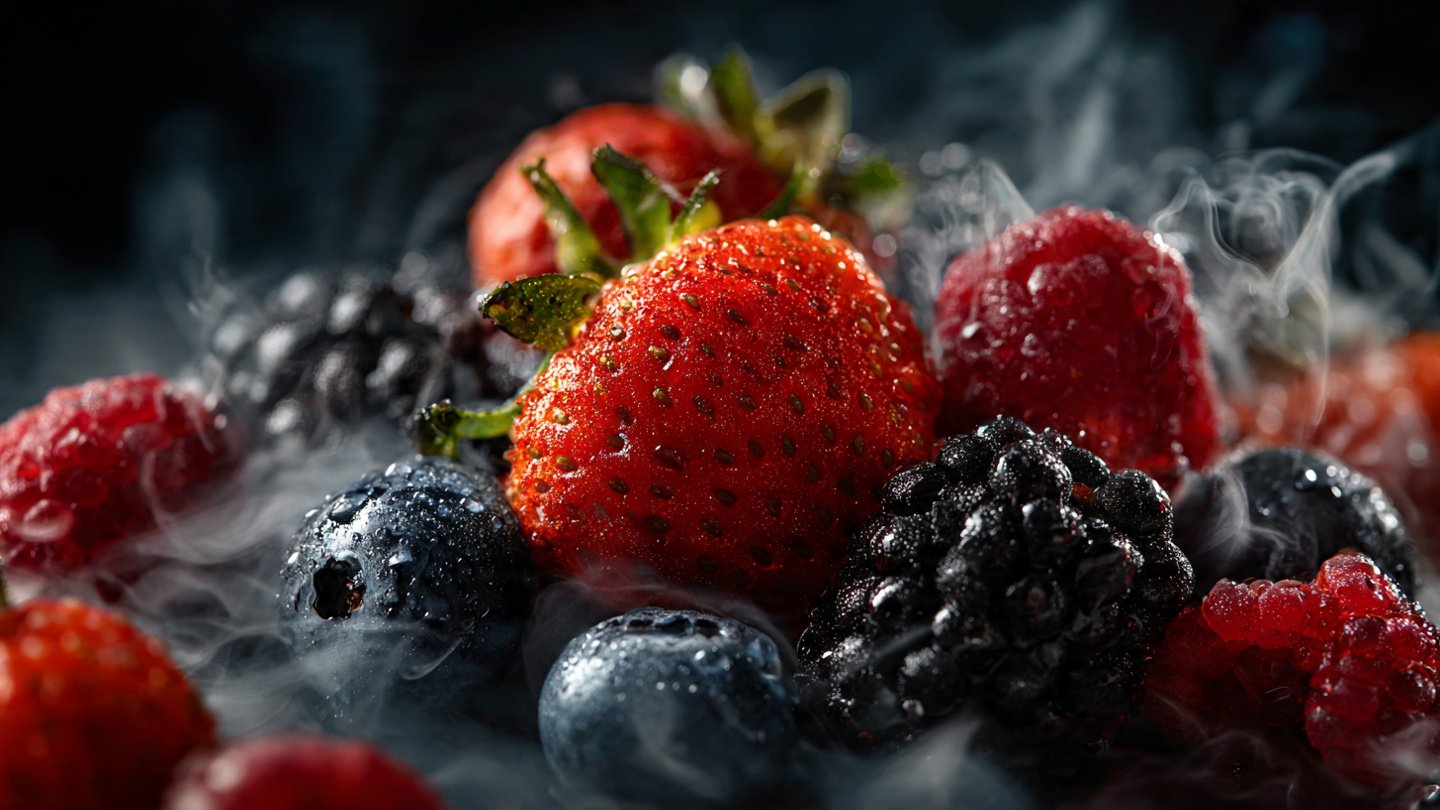
Fruits are a cornerstone of a healthy diet, providing essential vitamins, minerals, and antioxidants. However, they are also perishable and require proper handling and storage to maintain their freshness. One critical factor in prolonging the shelf life of fruits is airflow. In this article, we will explore various simple airflow techniques that can help preserve the freshness of fruits, discussing their importance and practical applications.
Understanding the Role of Airflow
Airflow plays a crucial role in the storage and preservation of fruits for several reasons:
-
Temperature Regulation: Proper airflow helps maintain consistent temperatures in the storage environment. Temperature fluctuations can lead to faster ripening and spoilage.
-
Moisture Control: Air circulation prevents the buildup of moisture, which can promote mold growth and decay.
-
Ethylene Gas Management: Many fruits produce ethylene, a natural gas that accelerates ripening. Airflow can help dissipate this gas, slowing down the ripening process.
-
Odor Control: Effective airflow can prevent the mixing of odors among different fruits, maintaining the overall quality.
Basic Airflow Techniques
1. Proper Storage Containers
Using the right storage containers is fundamental. Here are some airflow-focused tips:
-
Ventilated Crates: When selecting containers, choose ventilated crates or baskets that allow air to circulate around the fruit. This design helps maintain freshness by promoting air circulation.
-
Perforated Bags: For short-term storage, use perforated plastic bags to cover fruits. These bags provide a controlled environment, reducing moisture buildup while allowing some airflow.
-
Avoid Overcrowding: Whether using baskets or bags, avoid overcrowding. Leaving space between fruits enables better airflow and reduces pressure on the fruits, which can lead to bruising and faster spoilage.
2. Strategic Placement in the Refrigerator
The refrigerator is a common storage place for fruits, but simply throwing them inside is not enough. Here’s how to maximize airflow:
-
Separate Fruits from Vegetables: Store fruits and vegetables in separate bins. Vegetables often release moisture, creating an unsuitable environment for fruits.
-
Use the Right Refrigerator compartments: Many refrigerators have designated fruit compartments that provide optimal airflow. These compartments often feature humidity controls, ensuring that fruits do not stay too moist or too dry.
-
Avoid Excessive Refrigeration: Some fruits, like bananas and avocados, do not do well in cold temperatures. Good airflow in a cool, not cold, environment can help maintain their ideal freshness.
3. Room Temperature Storage for Certain Fruits
Not all fruits require refrigeration. Proper airflow at room temperature can also maintain freshness:
-
Keep in a Cool, Dry Place: Store fruits like tomatoes, bananas, and apples at room temperature in a cool, dry area. Avoid places with direct sunlight or heat sources.
-
Utilize Open Bowls or Baskets: Use open bowls or baskets to store fruits on countertops. Arranging fruits so they’re not touching each other promotes airflow and prevents moisture buildup.
4. Air Circulation Techniques
Improving room air circulation can significantly impact fruit freshness:
-
Fans: If you have a large storage area (like a garage or pantry), consider using small fans to keep air circulating. This prevents pockets of stagnant air from forming.
-
Ventilation: For longer-term storage, ensure that the environment has proper ventilation. Consider using a dehumidifier in humid climates to control moisture levels.
5. Ethylene Gas Management
As mentioned, certain fruits produce ethylene gas, which can accelerate ripening. Managing this can be pivotal:
-
Ethylene Absorbers: Use ethylene-absorbing products inside storage containers to help manage gas levels. These are especially useful when storing multiple types of fruits.
-
Keep Ethylene-Producing Fruits Together: If you have fruits that emit high levels of ethylene, like apples and pears, store them together in a well-ventilated space. This way, they can manage their own ripening process without affecting other fruits.
6. Buying Fresh and Ripening at Home
Understanding when and how to buy fruits can be pivotal to maximizing their life:
-
Select Fruits Wisely: Choose undamaged, unblemished fruits. Overripe fruits can reduce the freshness of surrounding fruits due to their ethylene production.
-
Ripening Techniques: If you want to ripen fruits, consider placing them in a paper bag to trap ethylene gas while allowing airflow. This speeds up the process without making them overly ripe too quickly.
7. Hygiene and Cleanliness
Keeping storage areas clean is crucial for preserving freshness. Here are some sanitation tips:
-
Clean Containers Regularly: Wash storage containers regularly to prevent mold growth and contamination.
-
Handle with Care: Always wash fruits before eating, and handle them gently to avoid bruising. Bruised fruits tend to spoil faster and can affect neighboring fruits.
Specific Techniques for Common Fruits
Different fruits have unique requirements for optimal storage. Let’s take a look at specific techniques for commonly stored fruits.
Apples
- Storage: Apples can be stored in the refrigerator, ideally in a perforated bag to allow airflow.
- Companions: Keep them away from other fruits that produce a high amount of ethylene.
Bananas
- Storage: Store at room temperature away from sunlight.
- Airflow: Hang bananas on a fruit hook to keep them from touching each other.
Berries
- Storage: Store berries in ventilated containers or clamshells. Do not wash them until ready to eat, as moisture can speed up spoilage.
- Refrigeration: Refrigerate promptly to slow down decay.
Citrus Fruits
- Storage: Store citrus fruits in a cool place. Lemons and limes can be kept at room temperature or in the fridge.
- Airflow: Keep them in a mesh bag or a container with plenty of ventilation.
Stone Fruits (Peaches, Plums)
- Storage: Ripen at room temperature and store in the refrigerator once ripe.
- Airflow: Store in a single layer, ideally lined in a vented container.
Conclusion
Maintaining the freshness of fruits requires a proactive approach to airflow management. By utilizing proper storage techniques, ensuring sufficient air circulation, and understanding the unique needs of different fruits, you can significantly extend their shelf life and enhance their flavor and texture. Incorporating these simple airflow techniques into your fruit storage routine will not only save money but also contribute to a healthier lifestyle. Fresh, flavorful fruits can be part of your daily diet, thanks to effective preservation strategies!