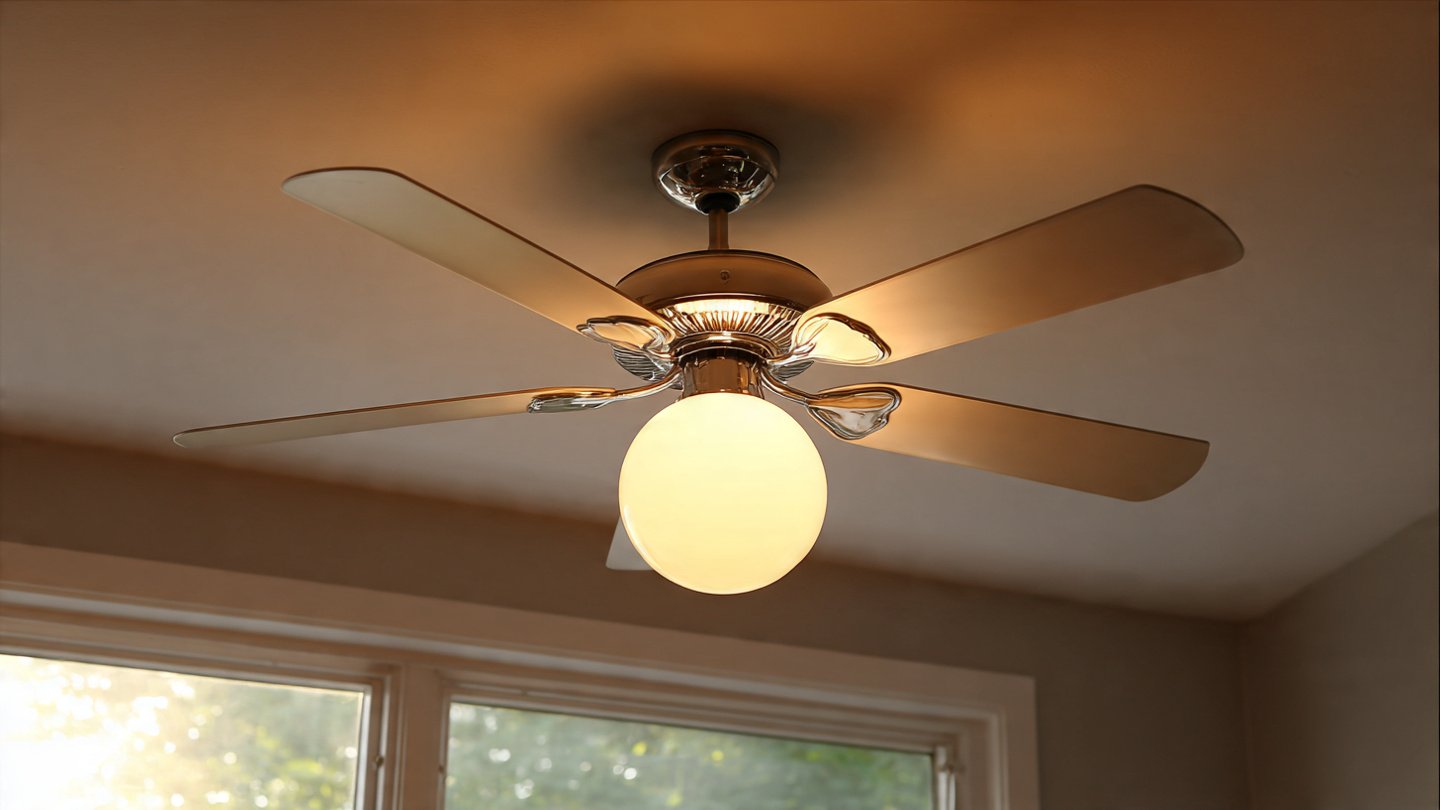
Ceiling fans are a staple in many homes and offices, providing a cost-effective way to maintain comfort by circulating air and cooling indoor spaces. However, similar to any mechanical device, ceiling fans come with components that experience wear and tear over time. One of the most critical components in a ceiling fan is the bearing, which allows for smooth rotation of the blades. Understanding how to extend the lifespan of these bearings can lead to not only smoother operation but also significant savings in maintenance costs and energy efficiency.
The Importance of Ceiling Fan Bearings
Ceiling fan bearings serve a vital role in ensuring that the blades rotate freely without excessive friction. Over time, dust, debris, and lack of lubrication can cause these bearings to wear out, leading to the following issues:
-
Increased Noise: One of the first signs that your bearings are struggling may be an increase in noise during operation. If left unchecked, the fan may eventually stop functioning altogether.
-
Reduced Efficiency: As bearings wear, the fan motor has to work harder to spin the blades. This not only raises electricity bills but also causes additional strain on the motor, which may lead to early failure.
-
Vibration: A worn-out bearing can cause the fan to become unbalanced, resulting in excessive vibration that can affect the integrity of the fan’s structure.
Given these risks, implementing simple, regular habits can significantly extend the life of your ceiling fan bearings.
Simple Habits for Extending Bearing Lifespan
1. Regular Cleaning
Dust and dirt accumulation on your ceiling fan can significantly affect the performance of the bearings. As dust builds up, it can enter the housing and interfere with the operation of the moving components.
How to Clean:
-
Frequency: Aim to clean your ceiling fan at least once a month. Increase this frequency if you live in a location with high dust levels or if you have pets.
-
Tools: Use a microfiber cloth or an extendable duster to wipe the blades and housing. A vacuum with a brush attachment can also help in removing debris from hard-to-reach areas.
-
Cleaning Solution: For stubborn grime, use a mixture of mild soap and water. Avoid harsh chemicals that can damage the finish.
2. Check for Balance
An unbalanced fan may place unnecessary stress on the bearings. This can lead to accelerated wear and potential noise issues.
Balancing Tips:
-
Visual Inspection: Turn off the fan and examine the blades for any signs of warping or damage. Ensure they are all equal in length and height.
-
Balance Kit: Purchase a fan balancing kit from your local hardware store. These usually include small weights that can be attached to the blades to achieve a perfect balance.
-
Reposition: If the fan is wobbling, try adjusting the screws or re-mounting the fan. An improperly mounted fan can lead to imbalances.
3. Lubrication
Bearing lubrication is crucial for reducing friction and heat generation as the fan operates. Proper lubrication prevents wear and ensures a longer lifespan.
Lubrication Guidelines:
-
Type of Lubricant: Use a lightweight machine oil or a silicone-based lubricant. Avoid heavy oils that can attract dust and dirt.
-
Frequency: Depending on the fan’s usage, lubricate the bearings every 6-12 months. If your fan operates continuously, consider lubricating it every three months.
-
Application: Access the bearing housing and apply a few drops of lubricant directly onto the bearings. Avoid over-lubricating, as excess oil can attract dirt.
4. Monitor Fan Speed
Fans often come with different speed settings. Running your fan at the highest speed for extended periods can lead to increased stress on the bearings.
Speed Management:
-
Optimal Settings: Use lower speeds for extended periods unless more airflow is necessary. Lower settings reduce the strain on the motor and bearings.
-
Seasonal Use: Switch between clockwise and counter-clockwise settings based on the season to optimize airflow while minimizing wear.
5. Inspect the Electrical Components
Faulty electrical components can lead to malfunctions that may affect the bearings’ performance.
Electrical Checks:
-
Wiring: Routinely inspect the fan’s wiring for any visible frays or damages. Make sure to power off the fan before doing any inspections.
-
Capacitor: The capacitor plays a significant role in starting the ceiling fan. If it’s failing, it can impact the motor and, consequently, the bearings.
-
Remote Controls: If using a remote, check its functionality. Inconsistent power delivery can lead to undue strain on the bearings.
6. Avoid Overloading
Adding weight to the fan, such as hanging plants or decorations, can significantly affect its balance and strain the bearings.
Overloading Prevention:
-
Weight Limit: Check the manufacturer’s recommendations for weight limits. Avoid adding items that exceed this limit.
-
Smart Placement: Ensure that no heavy objects are hung directly from the fan blades. Instead, choose wall-mounted or ceiling-mounted options for decorations.
7. Seasonal Maintenance
Just like any other appliance, seasonal changes can affect the operation of ceiling fans. Preparing your fan for seasonal shifts can help reduce wear and tear.
Seasonal Preparations:
-
Before Summer: Clean the fan thoroughly and check for balance before the heat season. Lubricate the bearings if necessary.
-
Before Winter: In many regions, ceiling fans are not used as often in winter. Consider cleaning and covering the fan to prevent dust accumulation.
8. Professional Servicing
While there are many things you can do yourself, consider scheduling professional servicing for your ceiling fan every few years.
When to Call a Professional:
-
Signs of Trouble: If you notice excessive noise, wobbling, or reduced airflow, contact a technician.
-
Complex Repairs: If internal components like the motor or switch need replacement, it’s often best left to an expert.
-
Deep Cleaning: Professionals can offer a deep cleaning service that can extend the lifespan of all the components, including the bearings.
Conclusion
Taking care of your ceiling fan not only enhances its performance but also prolongs the life of its bearings, ultimately leading to a more efficient and cost-effective operation. Simple habits such as regular cleaning, lubrication, and monitoring can make a significant difference. By implementing these practices, you can enjoy the benefits of a well-functioning ceiling fan for years to come.
A little attention to detail goes a long way when it comes to maintaining machinery like ceiling fans. By adopting these habits, you can ensure that your ceiling fan operates efficiently and quietly, providing comfort without the additional costs associated with repairs or replacements.