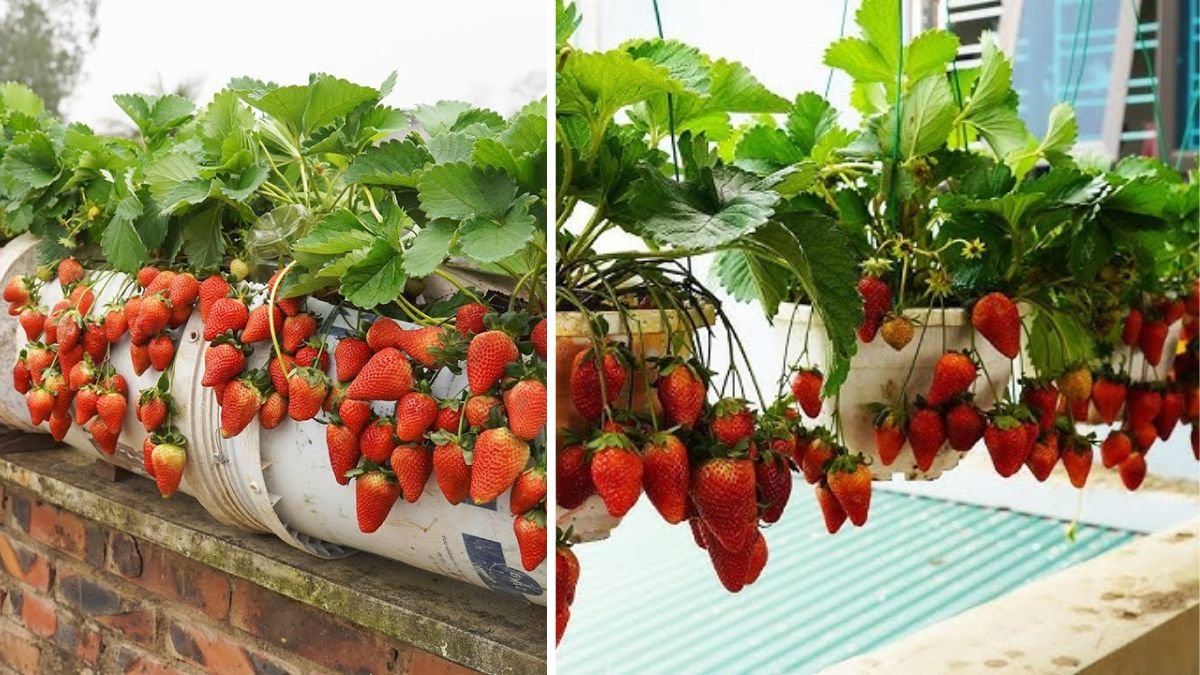
Growing your own strawberries at home may seem like a dream reserved for people with large gardens and perfect soil. But the truth is, you don’t need acres of land to enjoy fresh, sweet, and juicy strawberries. With the right containers, a little care, and some basic gardening knowledge, you can turn your balcony, terrace, rooftop, or backyard corner into a productive home strawberry farm.
Container strawberry gardening is perfect for beginners, urban gardeners, and anyone who wants fresh fruit without complicated setups. In this guide, you’ll learn how to grow strawberries in containers, from choosing pots to harvesting delicious berries.
Why Grow Strawberries in Containers?
Container gardening has become popular because it offers flexibility and convenience. Strawberries, in particular, thrive in containers when given proper care.
Here are some key benefits:
- Space-saving: Ideal for apartments, small homes, and rooftops
- Easy maintenance: Less weeding and soil problems
- Better pest control: Fewer ground insects and diseases
- Portability: Move plants for sunlight or protection
- Clean harvest: Fruits stay off the soil and remain fresh
With containers, you control the environment, making it easier to grow healthy plants and high-quality fruit.
Choosing the Right Strawberry Variety
Not all strawberries grow the same way. Selecting the right variety helps ensure success.
1. June-Bearing Strawberries
- Produce a large crop once a year
- Best for bulk harvesting
- Need more space
2. Ever-Bearing Strawberries
- Produce two to three harvests per year
- Good balance of yield and size
3. Day-Neutral Strawberries
- Produce continuously throughout the year
- Perfect for container growing
- Great for home gardeners
For container gardening, day-neutral and ever-bearing varieties are the best choices because they provide a steady supply of fruit.
Selecting the Perfect Container
The right container makes a big difference in strawberry growth.
Recommended Containers:
- Plastic pots
- Clay pots
- Grow bags
- Hanging baskets
- Vertical planters
- Wooden boxes
Container Requirements:
- Minimum depth: 8–10 inches
- Good drainage holes
- Wide enough for roots
- Lightweight if you plan to move it
Each strawberry plant needs about 6–8 inches of space, so choose containers accordingly.
Preparing the Best Soil Mix
Strawberries prefer loose, fertile, and well-draining soil. Regular garden soil is often too heavy for containers.
Ideal Soil Mix:
- 40% garden soil
- 30% compost or vermicompost
- 20% coco peat or peat moss
- 10% sand or perlite
This mix provides:
- Proper drainage
- Good moisture retention
- Enough nutrients
- Healthy root development
You can also use high-quality ready-made potting mix designed for fruits.
Planting Strawberries in Containers
Step-by-Step Planting Guide:
- Fill the container with soil mix, leaving 2 inches at the top
- Make small holes for plants
- Place the plant carefully
- Keep the crown (center part) above soil level
- Gently press soil around roots
- Water thoroughly
Avoid burying the crown, as it can cause rot and poor growth.
Providing the Right Sunlight
Strawberries love sunlight. Without enough light, plants produce fewer fruits.
Sunlight Requirements:
- Minimum: 5–6 hours daily
- Ideal: 7–8 hours full sun
Place containers on balconies, terraces, windowsills, or rooftops where they receive maximum sunlight. If sunlight is limited, consider rotating pots regularly.
Watering Properly for Sweet Fruits
Watering plays a major role in fruit quality.
Watering Tips:
- Water when topsoil feels dry
- Avoid overwatering
- Keep soil moist, not soggy
- Water in the morning
- Avoid wetting leaves frequently
In hot weather, containers may need daily watering. Consistent moisture prevents bitter or small fruits.
Feeding Your Strawberry Plants
Strawberries are heavy feeders and need regular nutrition.
Organic Fertilizer Options:
- Vermicompost
- Cow dung manure
- Compost tea
- Banana peel water
- Fish emulsion
Feeding Schedule:
- Every 15–20 days during growth
- Increase during flowering and fruiting
Balanced nutrients promote strong plants, more flowers, and sweeter fruits.
Managing Flowers and Runners
Strawberries produce flowers and runners (long stems that create new plants).
Flower Management:
- Remove first flowers for young plants
- Helps build strong roots
- Improves future yield
Runner Management:
- Cut runners if you want more fruits
- Keep runners if you want new plants
For container farming, removing runners usually gives better fruit production.
Preventing Pests and Diseases
Although containers reduce risks, pests can still appear.
Common Problems:
- Aphids
- Spider mites
- Whiteflies
- Fungal diseases
Natural Solutions:
- Neem oil spray every 10–15 days
- Garlic-chili spray
- Soap water spray
- Good air circulation
Remove damaged leaves regularly to prevent disease spread.
Supporting Healthy Growth
Simple care habits keep your strawberry farm productive.
Maintenance Tips:
- Remove yellow or dry leaves
- Add mulch to retain moisture
- Rotate containers for even sunlight
- Clean pots after each season
- Replace old soil yearly
Mulching with dry leaves, straw, or coco husk keeps fruits clean and improves moisture retention.
Harvesting Sweet, Juicy Strawberries
Harvesting at the right time ensures best taste.
When to Harvest:
- Fruits are fully red
- No green or white areas
- Slightly soft to touch
- Strong fragrance
Use scissors or gently twist fruits off the plant. Harvest in the morning for best freshness.
Storing and Using Homegrown Strawberries
Fresh strawberries taste best when eaten immediately. However, you can store them properly.
Storage Tips:
- Do not wash before storing
- Keep in refrigerator
- Use within 2–3 days
- Store in breathable containers
Delicious Uses:
- Fresh snacks
- Smoothies
- Fruit salads
- Jams
- Desserts
- Milkshakes
Homegrown strawberries are chemical-free and richer in flavor than store-bought ones.
Growing Strawberries Year-Round in India and Similar Climates
In warm climates, strawberries can grow almost year-round with proper care.
Seasonal Tips:
- Winter: Best growing season
- Summer: Provide shade and extra water
- Monsoon: Protect from excess rain
Using shade nets and movable containers helps maintain productivity in all seasons.
Expanding Your Container Strawberry Farm
Once you gain confidence, you can expand your setup.
Ideas include:
- Vertical strawberry towers
- Hanging basket systems
- Shelf gardening
- Wall-mounted planters
These systems maximize space and increase yield without occupying much area.
Final Thoughts
Turning containers into a home strawberry farm is one of the easiest and most rewarding gardening projects. With basic supplies, proper sunlight, good soil, and regular care, you can enjoy fresh, sweet, juicy strawberries right from your home.
Whether you live in an apartment, have a small terrace, or limited backyard space, container strawberry farming allows you to grow healthy fruit without expensive equipment. It also promotes sustainable living, reduces grocery costs, and brings natural beauty to your home.