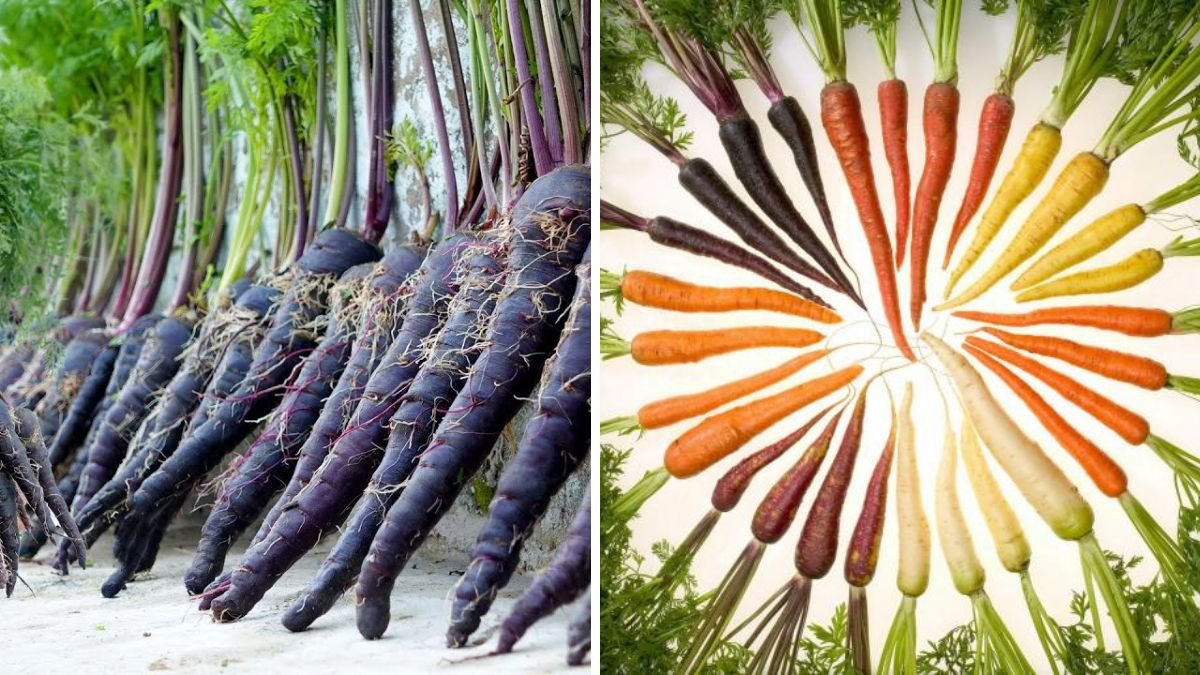
Growing your own vegetables has never been easier, even if you don’t have a backyard or garden space. With urban living on the rise, many people are exploring container gardening and indoor growing methods to enjoy fresh, homegrown produce. Carrots, in particular, are a favorite because they are nutritious, versatile, and surprisingly easy to grow in small spaces. Today, it’s entirely possible to grow 100% of your own carrots at home without a traditional garden, and anyone can do it with the right techniques.
In this comprehensive guide, we’ll walk you through a super easy method to grow carrots at home, step by step. You’ll also learn tips on soil, containers, light, and watering, so even apartment dwellers can enjoy the satisfaction of harvesting fresh carrots from their own space.
Why Growing Carrots at Home Is So Beneficial
Carrots are rich in beta-carotene, fiber, vitamins, and minerals, making them an essential part of a healthy diet. Growing them at home comes with several advantages:
- Freshness and flavor: Homegrown carrots are often sweeter and more flavorful than store-bought ones because they can be harvested at peak ripeness.
- Control over quality: By growing your own carrots, you can ensure they’re free from chemical fertilizers and pesticides.
- Cost savings: Homegrown vegetables can significantly reduce grocery bills over time.
- Satisfaction and learning: Growing your own food teaches patience, planning, and self-sufficiency.
With these benefits in mind, it’s no wonder that container gardening has become a popular trend in urban spaces. You don’t need soil beds or a garden patch to grow delicious carrots — a small balcony, terrace, or even a sunny windowsill is enough.
Latest Trends in Container Carrot Growing
Container gardening has seen a surge in popularity due to urban living limitations. A viral gardening video titled “Super Easy Way to Grow Carrots at Home Without a Garden – Anyone Can Do It!” has inspired beginners worldwide. This method shows that with a deep container, good soil, and proper sunlight, anyone can grow carrots successfully at home.
Recent gardening studies and guides confirm that carrots thrive in containers when provided with loose, well-draining soil. This method has become a favorite among urban gardeners, allowing them to harvest fresh vegetables without outdoor soil beds. (Homes & Gardens)
Step 1: Choosing the Right Container
Carrots require space to grow their roots properly. Selecting the correct container is the first critical step:
- Depth: Choose a pot at least 12–18 inches deep to accommodate carrot roots.
- Size: Wider containers allow more carrots to grow together.
- Drainage: Ensure the container has adequate drainage holes to prevent waterlogging.
Even recycled containers like 5-gallon buckets or large plastic bottles can work. Proper drainage and depth are essential to avoid stunted growth or misshapen roots. (Ideal Home)
Step 2: Selecting Suitable Carrot Varieties
Not all carrot varieties are ideal for container growing. Look for short or round varieties, which thrive in shallower soil and smaller containers. Some of the best options include:
- Paris Market: A small, round carrot perfect for shallow containers.
- Thumbelina: Compact and fast-growing, ideal for beginners.
- Little Finger: Produces sweet, bite-sized carrots suitable for pots.
These varieties mature quickly and require less soil depth, making them perfect for indoor or balcony gardening. (Easy Dacha)
Step 3: Preparing the Soil
Carrots require loose, well-draining soil to grow straight and healthy roots. Using heavy garden soil often leads to stunted or forked carrots.
Soil Mix Tips:
- Use a lightweight potting mix combined with sand or horticultural grit for better drainage.
- Incorporate organic compost to add nutrients and improve texture.
- Avoid stones or clumps that could block root development.
A nutrient-rich, loose soil mix ensures that your carrots grow straight, sweet, and tender.
Step 4: Sowing Carrot Seeds
Carrot seeds are tiny, so handle them carefully during planting:
- Depth: Sow seeds about ½ inch deep.
- Spacing: Keep seeds 1–2 inches apart to allow root growth.
- Covering: Lightly cover seeds with soil and water gently to avoid washing them away.
Once planted, seeds typically germinate in 10–14 days. Consistent moisture and warmth accelerate the process.
Step 5: Providing Sunlight and Water
Carrots require adequate sunlight to grow strong and sweet:
- Sunlight: Ensure 6–8 hours of direct sunlight daily.
- Watering: Keep soil consistently moist but not waterlogged. Containers dry out faster than garden beds, so regular monitoring is key.
- Supplemental Light: For indoor growing, consider using LED grow lights to compensate for limited natural light.
Proper light and water management are crucial for healthy carrot growth. (Homes & Gardens)
Step 6: Thinning Seedlings
Once seedlings reach 2–3 inches tall, thin them by removing weaker plants. Thinning allows remaining carrots enough space to grow properly and ensures they develop well-shaped roots.
- Tip: Use scissors to cut seedlings at soil level rather than pulling, which may disturb nearby roots.
- Spacing after thinning: Keep about 2–3 inches between each carrot.
This step is essential for maximizing yield and ensuring uniform growth.
Step 7: Maintenance and Care
Carrots are relatively low-maintenance but require some attention:
- Mulching: Apply a thin layer of mulch to retain soil moisture and regulate temperature.
- Pest Control: Use natural pest repellents such as neem oil, garlic spray, or companion planting with herbs like chives.
- Protection from extreme temperatures: Move containers indoors or use shade cloths if the weather is too hot or cold.
With proper care, you can enjoy a bountiful carrot harvest without leaving your home.
Advanced Tips for Continuous Harvest
To grow carrots year-round, consider these strategies:
- Succession sowing: Plant new seeds every few weeks to maintain a continuous supply.
- Companion planting: Pair carrots with onions or herbs to deter pests naturally.
- Regular monitoring: Check soil moisture and remove any unhealthy plants promptly.
Even in limited spaces, these practices can yield a steady stream of fresh, homegrown carrots.
Why Homegrown Carrots Are Superior
Homegrown carrots outperform store-bought ones in several ways:
- Taste: Fresher, sweeter, and more flavorful.
- Nutrients: Retain more vitamins and minerals when harvested at peak ripeness.
- Organic: Free from pesticides and chemical fertilizers.
- Satisfaction: The joy of growing your own food enhances the overall experience.
Container gardening allows anyone to enjoy these benefits, regardless of outdoor space availability.
Common Challenges and Solutions
Lack of Space
Solution: Use vertical gardening, stacked containers, or balcony rail planters.
Slow Germination
Solution: Keep soil consistently moist and warm; consider pre-soaking seeds.
Pest Issues
Solution: Use companion plants, natural sprays, or relocate containers away from infested areas.
Shallow Roots
Solution: Choose short or container-friendly varieties to avoid stunted growth.
Authoritative Resources for Learning
- RHS Grow Your Own – Carrots – Expert guidance for indoor and container gardening. (rhs.org.uk)
- Homes & Gardens – How to Grow Carrots Indoors – Tips for balcony and windowsill gardening. (homesandgardens.com)
- Ideal Home – Container Carrot Growing – Step-by-step container methods. (idealhome.co.uk)
- Easy Dacha – Indoor Carrot Cultivation – Compact carrot varieties and soil recommendations. (easydacha.com)
Conclusion
Growing carrots at home without a garden is no longer a dream — it’s an achievable reality. By using containers, selecting the right varieties, preparing loose soil, and providing proper light and water, anyone can enjoy fresh, sweet carrots from their own space.
Whether you’re an apartment dweller, urban gardener, or just looking for a simple way to grow your own food, this method makes carrot cultivation accessible, rewarding, and fun. Start today, and soon you’ll experience the satisfaction of harvesting crisp, flavorful carrots grown entirely by your own hands — no garden required!
With dedication and patience, container-grown carrots can become a staple of your home-grown vegetable supply, contributing to healthier meals, cost savings, and the joy of self-sufficiency.