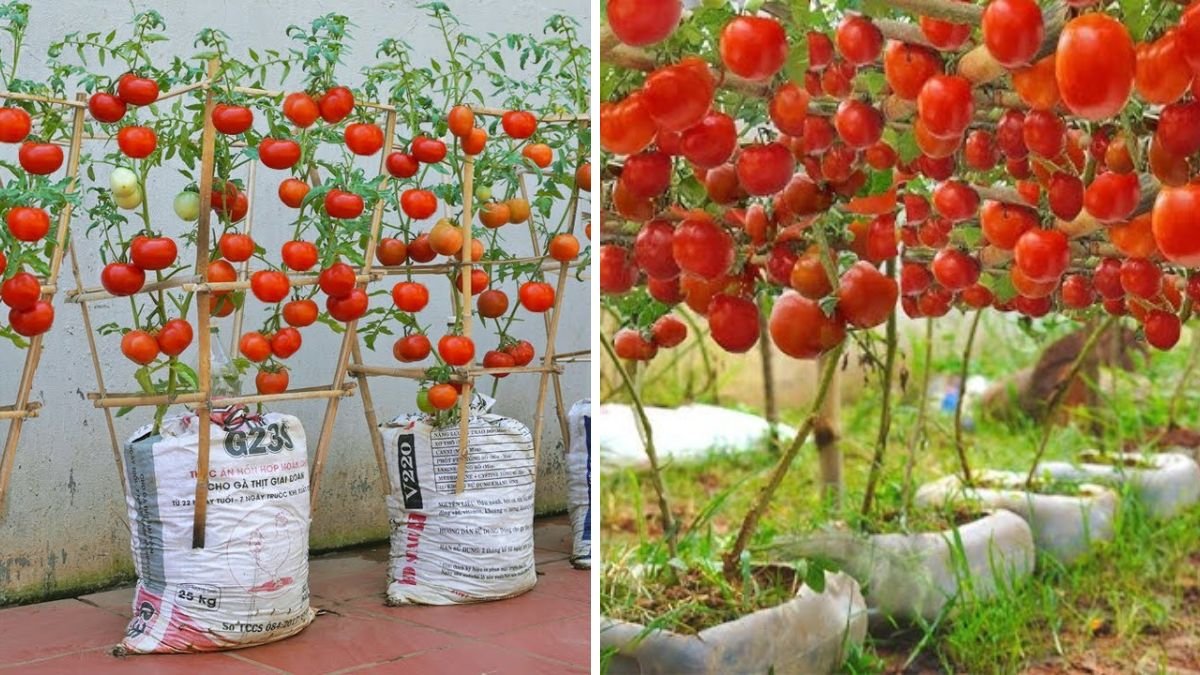
Growing tomatoes at home is one of the most rewarding gardening experiences, whether you’re a beginner or an experienced gardener. Imagine biting into a juicy, homegrown tomato straight from your balcony or backyard garden — fresh, flavorful, and pesticide-free. With the right approach, continuous tomato harvesting is entirely achievable, and it doesn’t have to be complicated. This guide walks you through everything you need to know to grow tomatoes at home with ease and enjoy a steady supply throughout the growing season.
[FOCUS KEYWORD] can transform your gardening routine, turning simple backyard spaces into productive, flourishing tomato patches.
Why Grow Tomatoes at Home?
Tomatoes are a staple in kitchens worldwide, used in salads, sauces, soups, and countless recipes. Growing your own tomatoes offers numerous advantages:
- Freshness and Taste: Homegrown tomatoes often taste richer and sweeter than store-bought varieties.
- Health Benefits: Tomatoes are packed with vitamins, antioxidants, and lycopene, which support heart health and overall well-being.
- Cost Efficiency: Growing tomatoes at home reduces the cost of purchasing fresh produce regularly.
- Sustainability: Home gardening minimizes carbon footprint and packaging waste.
Continuous harvesting is especially appealing because it provides a steady supply rather than a single glut. Instead of harvesting all your tomatoes at once, you can enjoy fresh fruit throughout the season.
Choosing the Right Tomato Variety
One of the most important factors for a successful tomato harvest is selecting the right variety. Tomato plants are generally categorized as determinate or indeterminate:
- Determinate Varieties: These produce fruit in one concentrated period and then stop. They are suitable if you want to harvest all your tomatoes at once for canning or sauces.
- Indeterminate Varieties: These are “vining” tomatoes that continue to grow and produce fruit throughout the season until frost or other adverse conditions occur. Indeterminate varieties are perfect for continuous harvesting.
When shopping for seeds, look for terms like “indeterminate,” “vining,” or “continuous producer” on the packet. Some popular continuous-producing varieties include Cherry Tomatoes, Beefsteak, Brandywine, and Sungold. These varieties are not only productive but often rich in flavor.
Starting Seeds Indoors
Starting tomato seeds indoors is a proven way to extend your harvest season. Begin seeds 6–8 weeks before the outdoor growing season to give your plants a head start. Here’s how to do it:
- Use seed trays or small pots with well-draining seed-starting mix.
- Sow seeds about ¼ inch deep and water lightly.
- Keep the soil consistently moist but not soggy.
- Provide 12–16 hours of light per day using a sunny windowsill or grow lights.
- Maintain a warm temperature of 70–75°F (21–24°C) for optimal germination.
Once seedlings have 2–3 sets of true leaves, they are ready to be transplanted into larger pots or your garden. Starting early ensures you can transplant strong, healthy plants, leading to a longer and more productive harvest.
Sunlight and Watering Essentials
Tomatoes thrive with 6–8 hours of direct sunlight per day, so choosing the sunniest spot in your garden or balcony is crucial. For container gardening, consider using reflective surfaces or moving pots to maximize sun exposure.
Watering is equally important. Tomatoes prefer deep, consistent watering rather than light, frequent watering. This encourages deep root growth and prevents stress during fruiting. Irregular watering can lead to issues like blossom-end rot or split tomatoes. A simple tip is to water in the morning to allow leaves to dry during the day, which reduces disease risk.
Mulching around the base of the plants can help retain soil moisture, regulate temperature, and prevent weed growth. Organic mulches like straw, shredded leaves, or compost work exceptionally well.
Supporting and Spacing Your Plants
Indeterminate tomatoes can grow vigorously, producing long vines that need support. Staking, caging, or trellising your plants early ensures proper growth and prevents sprawling.
- Tomato Cages: These are ideal for small spaces and provide vertical support for climbing vines.
- Stakes and Trellises: Use stakes for individual plants or trellises for rows of tomatoes. Tie plants gently with soft ties or cloth strips.
Proper spacing is critical. Crowded plants restrict airflow, increasing the risk of disease. Maintain at least 18–24 inches between plants and provide enough vertical space for climbing varieties.
Pruning for Continuous Harvest
Pruning indeterminate tomatoes encourages healthier plants and more fruit. Remove suckers, the small shoots that grow in the crotch between main stems and branches, to direct energy toward fruit production. Focus on pruning lower leaves to prevent soil splash, which can spread disease, and allow light penetration to the inner parts of the plant.
Fertilizing for Maximum Yield
Tomatoes are heavy feeders, so proper fertilization is essential for continuous harvests. Use a balanced, slow-release fertilizer when planting and supplement with liquid fertilizer every 2–3 weeks during the growing season. Organic options like compost tea, fish emulsion, or well-rotted manure are excellent for boosting plant health without chemical residues.
Harvesting Techniques
Continuous harvesting isn’t just about planting and caring for your tomatoes — it’s also about timing. Pick tomatoes as soon as they reach their full color and slightly soften to the touch. Frequent harvesting signals the plant to produce more fruit, extending your harvest period.
- For cherry and small tomatoes, harvest every 2–3 days.
- For larger varieties, harvest when fruits reach full size and color.
Be gentle during harvesting to avoid bruising. Use scissors or pruning shears if the fruit resists detachment from the vine.
Indoor Tomato Gardening
If outdoor space is limited or you want year-round production, indoor tomato gardening with grow lights is a viable solution. Place plants near south-facing windows or use LED grow lights to provide adequate light. Indoor gardening allows control over temperature, humidity, and pests, ensuring a continuous supply of fresh tomatoes even during winter.
Common Problems and Solutions
Even with the best care, tomatoes can face challenges. Here are some common issues and solutions:
- Blossom-End Rot: Caused by calcium deficiency or inconsistent watering. Solution: Maintain even watering and add calcium-rich amendments.
- Leaf Spot Diseases: Prevent by spacing plants, pruning lower leaves, and applying fungicides if necessary.
- Pests: Aphids, whiteflies, and tomato hornworms can damage plants. Use insecticidal soap, neem oil, or hand-pick pests.
Authoritative Sources for Tomato Growing
For more detailed guidance and research-backed practices, consider exploring:
- University of Minnesota Extension – Growing Tomatoes in Home Gardens
- Burpee – Tips for Growing Perfect Tomatoes
- Lost Coast Plant Therapy – Increase Tomato Yields
- Botanical Interests – Pruning and Caring for Tomatoes
These resources offer in-depth tips on soil preparation, fertilization, disease prevention, and harvesting techniques.
Conclusion
Growing tomatoes at home with continuous harvest is not only possible but also extremely rewarding. By selecting the right indeterminate varieties, providing proper sunlight, water, and support, and harvesting regularly, you can enjoy fresh, juicy tomatoes for months on end. Whether you have a backyard, balcony, or indoor garden, these techniques will help you maximize your yield and taste.
[FOCUS KEYWORD] can transform your home gardening routine, making tomato growing an enjoyable and fruitful experience. From seed to harvest, following these tips ensures a consistent supply of fresh tomatoes for salads, sauces, and more — all year long.
Start your tomato gardening journey today, and savor the delicious reward of homegrown tomatoes in every meal!