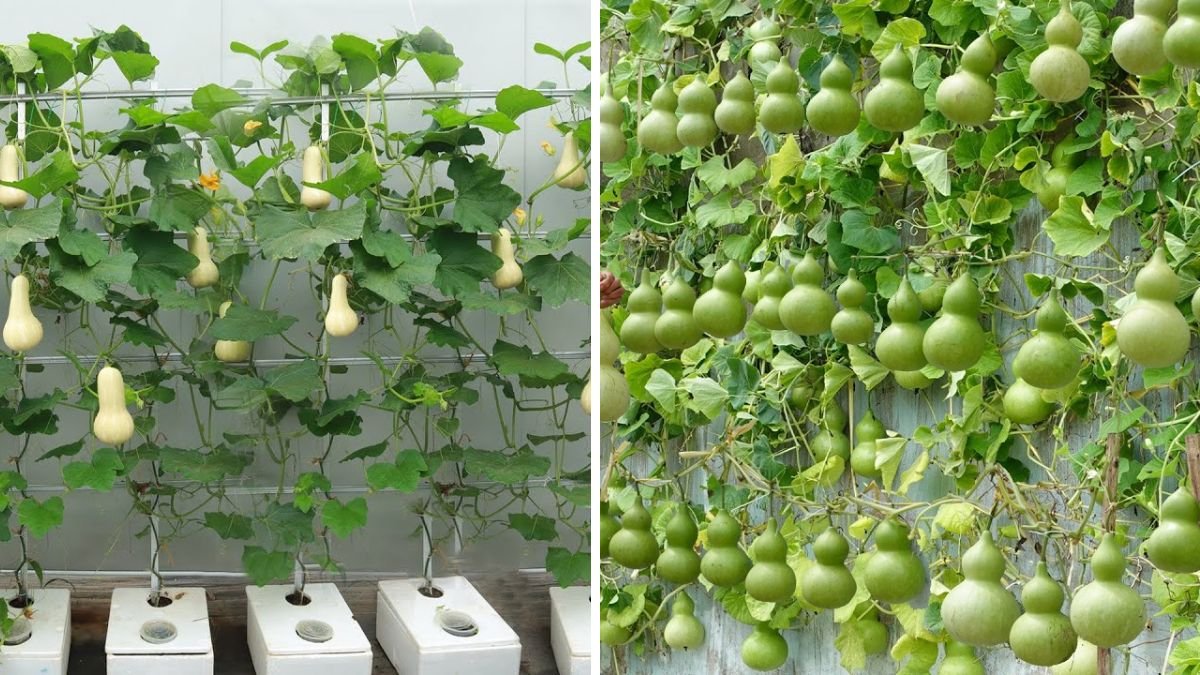
Pumpkins are a beloved garden favorite, especially during fall, but few gardeners realize the potential of climbing pumpkin varieties. These innovative techniques not only save space but can produce massive fruits and exceptionally high yields when executed correctly. From careful seed selection to advanced vine management, every step matters in cultivating pumpkins that thrive above the ground. In this guide, we’ll explore expert-backed secrets and lesser-known strategies to help you grow climbing pumpkins that impress in both size and productivity.
1. Choose the Right Pumpkin Variety
Successful pumpkin growing begins with selecting the right variety. While many pumpkins sprawl on the ground, climbing or vining types allow gardeners to maximize vertical space. For those aiming for large fruits, varieties like Atlantic Giant, Big Max, and certain hybrid climbing types are ideal. These cultivars have been bred specifically for size, with the genetics to support heavy, fast-growing fruits.
When choosing seeds, look for:
- Documented parentage with proven fruit size
- Traits suited to your climate (heat tolerance, disease resistance)
- Early or late maturity depending on your growing season
Choosing the right variety ensures your efforts aren’t wasted and sets the foundation for a high-yield harvest.
2. Prepare Soil Thoroughly
Pumpkins are heavy feeders, requiring rich, well-draining soil. Start preparing your plot months before planting by:
- Incorporating plenty of compost or well-aged manure
- Loosening soil to at least 12–18 inches for deep root development
- Conducting soil tests to balance pH and nutrient levels
Ideal soil has a slightly acidic to neutral pH (6.0–7.0) and is enriched with nutrients, particularly phosphorus and potassium, which support flowering and fruiting. A fertile foundation ensures that climbing pumpkins can grow rapidly without nutrient deficiencies that limit fruit size.
3. Optimal Planting Location
Pumpkins require full sun — at least 8 hours per day — for energy-intensive growth. When planning your climbing setup:
- Position trellises or supports in the sunniest part of your garden
- Ensure adequate spacing to allow airflow around vines
- Avoid low-lying areas prone to waterlogging
Sunlight drives photosynthesis, powering the plant to produce flowers and fruit. Insufficient light can lead to spindly vines and smaller pumpkins, even if other conditions are perfect.
4. Watering and Nutrition
Giant pumpkins are extremely thirsty. Consistent moisture is essential for vine growth and fruit development. Key practices include:
- Deep, regular watering to keep soil evenly moist
- Mulching around the base to retain water and regulate temperature
- Adjusting watering frequency in hot or dry periods
Nutrient management is equally important:
- Early growth favors nitrogen to promote foliage
- Mid-to-late season, increase phosphorus and potassium to stimulate flowering and fruit growth
- Consider supplemental organic fertilizers like seaweed extract or fish emulsion
Balanced watering and nutrition support explosive vine growth and record-breaking fruits.
5. Vine Training and Pruning
Climbing pumpkins benefit from strategic pruning and vine management. Without intervention, energy can be spread thin, producing many smaller fruits rather than a few giant ones.
Pruning Tips:
- Maintain a strong main vine and trim tertiary vines
- Remove extra developing pumpkins to concentrate energy on selected fruits
- Pinch back overly long lateral shoots to improve airflow and sunlight penetration
Training vines along trellises, pergolas, or vertical supports also saves space and reduces disease risk by keeping leaves and fruits off the soil. For heavy pumpkins, support slings or nets under developing fruits prevent sagging and damage.
6. Pollination Secrets
Pumpkins have separate male and female flowers, making pollination critical. Poor pollination results in flowers without fruit. While bees are natural pollinators, in vertical gardens or low-pollinator areas, hand pollination can boost yields.
Hand-Pollination Tips:
- Transfer pollen from male to female flowers with a small brush or cotton swab
- Pollinate in the morning when flowers are open and receptive
- Focus on early-season flowers to ensure strong fruit set
Proper pollination early in the season leads to more consistent fruit development and fewer aborted flowers.
7. Support Structures for Climbing Pumpkins
For climbing pumpkins, strong support systems are essential:
- Trellises, A-frames, or pergolas can support moderate-sized pumpkins
- Heavy fruits may require reinforced slings or nets to hold them safely
- Arrange vines along the structure to avoid overcrowding and maximize sunlight
Vertical growth saves ground space, improves air circulation, and reduces pest pressure. However, gardeners should always account for the weight of large fruits, especially when aiming for pumpkins over 10–20 lbs.
8. Protect Fruits and Maintain Health
Once pumpkins begin swelling, protecting them from moisture and pests is critical. Place boards, tiles, or straw under developing fruits to prevent rot. Keep an eye out for vine borers, squash bugs, and aphids, which can weaken plants and stunt growth. Integrated pest management and organic interventions are recommended to maintain healthy vines without harming pollinators.
9. Harvest Timing and Patience
Giant and climbing pumpkins require patience and consistent care. Most large varieties take 100–120 days to mature. Early-season care sets the stage, but ongoing watering, pruning, and fertilization determine the final size.
Harvesting Tips:
- Monitor color and rind hardness to determine peak maturity
- Handle heavy fruits carefully to avoid damage
- Regularly remove old or damaged leaves to maintain airflow and reduce disease
Patience combined with attention to detail results in high-quality, impressive pumpkins.
10. Innovative Techniques for Maximum Yield
Modern gardeners are experimenting with hydroponics, container gardening, and indoor vertical systems to grow pumpkins in limited spaces. These methods provide:
- Precise control over nutrients and water
- Extended growing seasons
- Reduced risk of soil-borne diseases
Even in small gardens, these techniques allow ambitious growers to achieve super high yields and record-sized pumpkins without sprawling acres of garden space.
Authoritative Sources to Reference
- University of Minnesota Extension – Growing Giant Pumpkins: extension.umn.edu
- The Old Farmer’s Almanac – How to Grow Giant Pumpkins: almanac.com
- RHS Pumpkin Growing Guide: rhs.org.uk
- Big Max Pumpkin Information: en.wikipedia.org
Final Thoughts
Growing climbing pumpkins with big fruits and super high yields is not just a matter of planting seeds. It requires careful variety selection, soil preparation, water and nutrient management, and attentive vine care. By incorporating these expert secrets — from trellising and pruning to hand-pollination and strategic harvesting — gardeners can achieve remarkable results. Whether your goal is backyard beauty, edible abundance, or even competitive giant pumpkin growing, these techniques will help you maximize space and production.
With the right planning and attention, your climbing pumpkins can thrive, producing fruits that impress in size, shape, and flavor — a true testament to smart, modern gardening.