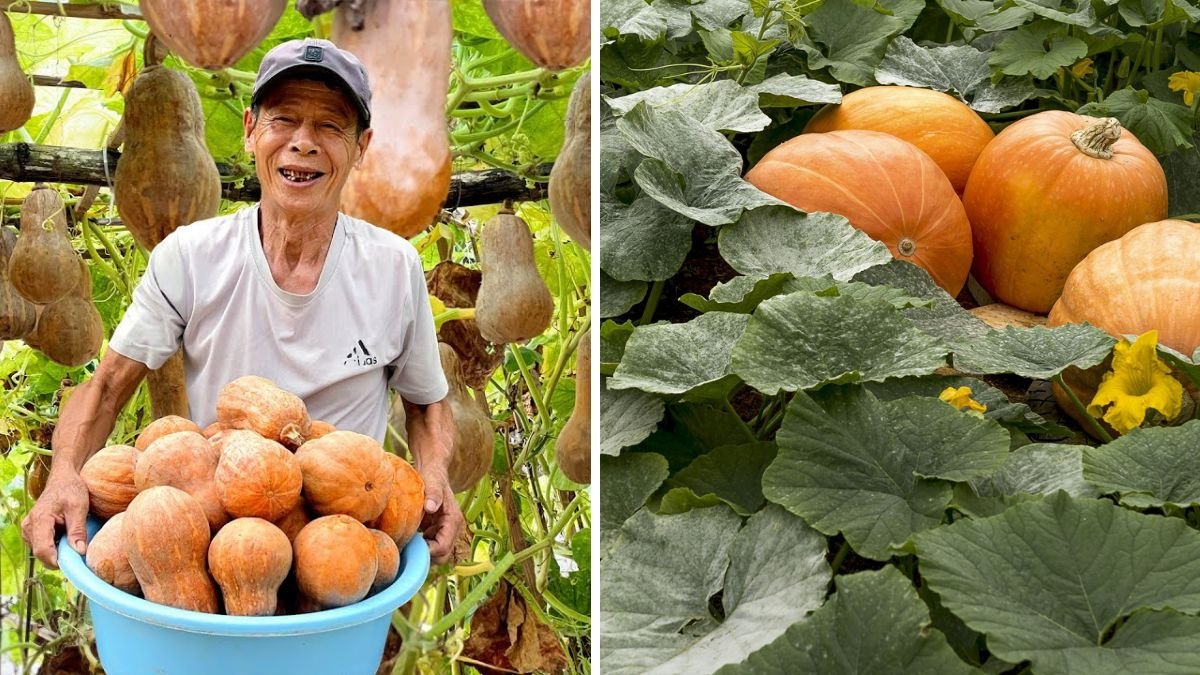
Pumpkins are not just an autumn decoration; they are a versatile, nutritious, and profitable crop for both home gardeners and commercial growers. Traditionally, cultivating pumpkins requires significant attention to watering, fertilization, and pest control. However, a new method is capturing attention in 2026 — the [FOCUS KEYWORD], a pumpkin growing hack that promises continuous harvests with minimal watering. This approach combines smart soil management, plant selection, and innovative cultivation techniques, offering gardeners a sustainable way to grow pumpkins efficiently.
In this guide, we’ll explore the background, principles, practical steps, benefits, and expert insights that make this method both innovative and accessible.
The Importance of Water-Saving Techniques in Pumpkin Cultivation
Pumpkins are water-intensive plants. To thrive, they typically require consistent moisture throughout the growing season, particularly during flowering and fruit development. Regular watering is essential to avoid stunted growth, fruit drop, and poor yield. However, water scarcity, climate change, and busy lifestyles have prompted growers to explore alternative methods to maintain productivity with reduced water usage. (rhs.org.uk)
The [FOCUS KEYWORD] approach addresses these challenges, offering strategies that significantly reduce water requirements while ensuring healthy plant growth and continuous fruiting. By integrating soil moisture retention, strategic planting, and efficient irrigation techniques, this method empowers gardeners to harvest pumpkins more sustainably.
Understanding the Continuous Harvest Concept
Achieving a continuous harvest without regular watering may sound impossible at first glance. However, the secret lies in creating an environment where the plant can access water and nutrients efficiently and naturally, minimizing stress on the roots and allowing ongoing flowering and fruiting.
The continuous harvest concept relies on:
- Optimal soil moisture retention
- Efficient nutrient delivery
- Proper plant spacing and pruning
- Use of hardy, high-yield pumpkin varieties
When these factors work together, pumpkins can produce more fruit over an extended period, even with reduced supplemental watering.
Key Principles Behind [FOCUS KEYWORD]
1. Soil Preparation and Mulching
Mulch is a gardener’s secret weapon for water conservation. Covering the soil around pumpkin plants with organic mulch, such as straw, wood chips, or leaf litter, reduces evaporation, stabilizes soil temperature, and protects roots from drying. In combination with a well-amended soil rich in compost, mulch ensures that water from rainfall or occasional irrigation remains accessible to the plants for longer periods. (rhs.org.uk)
In addition, preparing soil with moisture-retaining amendments like coco coir or vermiculite enhances its ability to hold water. This ensures that roots remain hydrated even during dry spells, reducing the need for frequent watering.
2. Choosing the Right Soil and Growing Medium
The foundation of water-efficient pumpkin growing lies in soil composition. Ideal soil should be:
- Loamy and well-draining
- Rich in organic matter
- Slightly acidic to neutral (pH 6.0–7.0)
In regions with poor soil or limited water, gardeners can use soilless media such as coco coir, perlite, and vermiculite. These materials maintain moisture while providing sufficient aeration for root growth. The combination of organic matter and water-retentive materials allows pumpkin plants to access nutrients efficiently with minimal external watering.
3. Strategic Plant Placement
Plant location can dramatically impact water retention. While pumpkins need sunlight, partial shading during the hottest part of the day can reduce water stress. Planting near taller crops or structures that act as windbreaks minimizes evaporation caused by wind. By thoughtfully positioning plants, gardeners can maintain soil moisture naturally and encourage healthier, more productive growth.
4. High-Quality Seeds and Varieties
Not all pumpkin varieties are suited for water-efficient cultivation. Choosing hardy, drought-tolerant, and high-yield varieties is crucial. Certified seeds ensure uniform growth, resistance to pests and diseases, and improved fruit-setting capacity. Combining the right variety with optimized soil and environmental conditions maximizes productivity while minimizing water usage.
5. Pruning and Training
Proper plant management is essential for continuous harvests. Pruning excess vines and weak shoots allows the plant to redirect energy toward flowering and fruiting. Using trellises or stakes for support helps maintain airflow and prevents fruit rot, especially in humid climates. Strategic pruning also reduces competition for water among vines, enhancing the efficiency of water usage.
6. Alternative Growing Systems
Innovative systems inspired by hydroponics or controlled environment agriculture (CEA) allow pumpkins to grow with far less water than traditional soil-based cultivation. These methods deliver nutrients directly to the roots and recycle water within a closed system, achieving impressive water savings. While hydroponic pumpkin cultivation is still emerging, backyard adaptations using raised beds or containers with moisture-retentive soil are practical and effective for home gardeners. (farmonaut.com)
Step-by-Step Guide for Low-Water Pumpkin Cultivation
Here’s how to apply [FOCUS KEYWORD] in your garden:
- Prepare Moisture-Retentive Soil: Mix garden soil with compost, coco coir, or vermiculite to enhance water retention.
- Apply Mulch Generously: Cover the soil surface with 3–5 inches of organic mulch to minimize evaporation.
- Select High-Yield Varieties: Use certified, drought-tolerant pumpkin seeds for better performance.
- Plant Strategically: Choose sunny mornings with afternoon shade and protect plants from wind.
- Prune and Train Vines: Remove weak shoots, support growing vines, and encourage better airflow.
- Monitor Soil Moisture: Use inexpensive soil moisture indicators to water only when necessary.
- Sequential Planting for Continuous Harvest: Plant in stages to ensure overlapping harvest periods, allowing you to pick pumpkins consistently throughout the season.
By following these steps, you can achieve a low-maintenance garden with healthier plants and potentially multiple harvest cycles.
Benefits of Water-Efficient Pumpkin Growing
Adopting the [FOCUS KEYWORD] offers multiple advantages:
- Reduced Water Usage: Lower irrigation requirements save water and reduce labor.
- Continuous Harvest: Strategic planting and plant care enable prolonged fruiting periods.
- Resilience to Dry Climates: Water-efficient techniques help plants survive drought and heat stress.
- Better Crop Quality: Reduced water stress results in larger, healthier fruits with vibrant skin.
- Sustainable Gardening: Conserving water and reducing inputs support environmentally friendly practices.
Challenges to Consider
Even with this innovative approach, gardeners should be aware of potential challenges:
- Extreme heat or prolonged drought may still require supplemental watering.
- Poor soil or sandy ground may need additional amendments to retain moisture.
- Continuous monitoring and pruning are essential for long-term success.
Despite these challenges, [FOCUS KEYWORD] provides a framework for sustainable pumpkin cultivation that reduces dependency on water while maintaining high productivity.
Scientific Backing and Expert Insights
Modern research supports the principles behind water-efficient pumpkin growing. Controlled-environment agriculture, hydroponics, and mulching techniques have been shown to improve water-use efficiency, optimize nutrient uptake, and extend crop productivity. While the idea of completely watering-free pumpkins remains experimental, water-saving methods offer measurable benefits for both small-scale and commercial growers. (rhs.org.uk, farmonaut.com)
Authoritative Sources
For more in-depth guidance on water-efficient pumpkin cultivation:
- Royal Horticultural Society – Pumpkins: rhs.org.uk
- FAO – Hydroponics Fundamentals: fao.org
- Farmonaut – Innovative Growing Techniques: farmonaut.com
- YouTube Video Demonstration – Pumpkin Hack: youtube.com
Conclusion
The [FOCUS KEYWORD] presents a promising way to grow pumpkins sustainably, combining soil preparation, mulching, plant selection, and innovative cultivation methods. By focusing on water retention and low-maintenance care, gardeners can achieve continuous harvests with significantly less watering. While the concept is still emerging, early adopters report impressive results, making this an exciting development for home gardeners and commercial farmers alike.
As water scarcity and climate challenges increase, adopting water-efficient cultivation techniques like [FOCUS KEYWORD] will be crucial for maintaining pumpkin productivity while protecting natural resources. Whether you’re a hobby gardener or a professional grower, this approach offers practical solutions for a bountiful, low-stress pumpkin harvest.