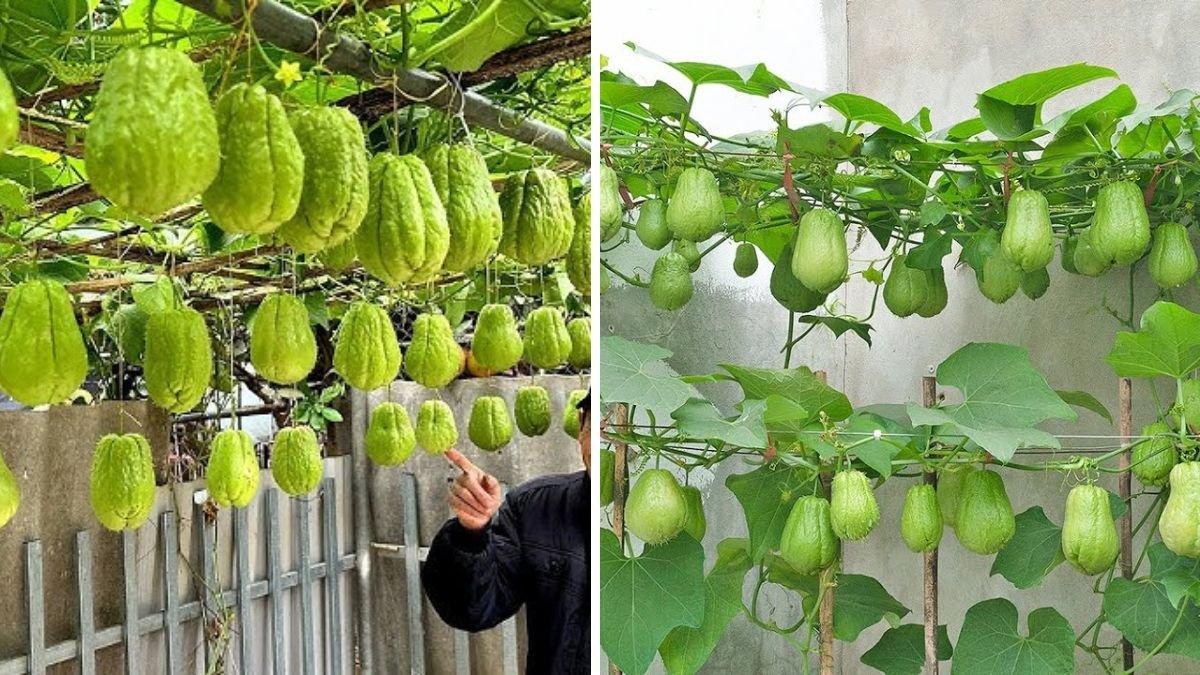
Urban gardening has become more than just a hobby; it’s a necessity and a passion for many who live in apartments or houses without traditional garden space. For those with limited budgets and little gardening experience, the idea of growing fresh vegetables can feel daunting. That’s where chayote, also known as Sechium edule, comes in. This hardy, climbing vegetable from the squash family is remarkably easy to grow, highly productive, and adaptable to small spaces.
Recently, a viral YouTube video titled “No Garden, No Money, No Skills – Here’s How I Grow Chayote at Home” captured the attention of urban gardeners around the world. The creator demonstrated how it’s possible to cultivate chayote with minimal investment, no prior skills, and no yard — using simple household items and patience. In this article, we’ll explore how this method works, the science behind chayote cultivation, and expert tips to maximize your yield.
Why Chayote Is Perfect for Home Gardeners
Chayote is a vigorous climbing plant in the cucurbit family, related to cucumbers and squash. It produces edible fruits, tender shoots, and edible roots, making it extremely versatile. What makes chayote perfect for beginners and urban growers?
- Low maintenance: Once established, chayote requires minimal care.
- High yield: A single vine can produce numerous fruits in a season.
- Adaptable: It grows well in containers, terraces, balconies, and small patios.
- Low cost: You can start with grocery-store fruits, recycled containers, and simple trellises.
Scientific sources and gardening communities confirm that chayote thrives in partial to full sunlight, with consistent moisture and vertical support, making it ideal for small-space gardening. (UCANR)
Step‑by‑Step Guide: Growing Chayote With No Garden
Even if you have no yard, no money for fancy tools, and zero gardening skills, you can grow chayote at home using these simple steps:
1. Choose Your Growing Space
Chayote needs 6–8 hours of sunlight per day. If you don’t have a garden, a terrace, balcony, or even a sunny windowsill will work. The key is to ensure the vine receives enough light for flowering and fruiting. (ColabaMarket)
2. Select a Container
Recycled containers like old buckets, large pots, crates, or even boxes with drainage holes work perfectly. The container should be at least 18–24 inches deep to accommodate the vine’s roots. This approach keeps costs low and promotes healthy root development.
3. Planting the Chayote Fruit
You can plant a whole chayote fruit directly in the soil:
- Lay the fruit on its side or with the broader end down.
- Cover lightly with soil and water gently.
- Within 2–3 weeks, roots and shoots will begin to emerge. (Shaniwarwada.org)
This simple method requires no seedlings, no pre-germination, and no expensive growing kits.
4. Provide Vertical Support
Chayote is a climbing vine, so it will need support to grow upward. Use bamboo poles, recycled sticks, ropes, or even hooks attached to a wall. Training the vine vertically saves space and encourages better flowering and fruiting.
5. Watering and Soil Care
Chayote thrives in soil that is moist but not waterlogged. Water 2–3 times a week, depending on climate. Mulching with straw or dry leaves helps retain moisture. For nutrients, you can use organic compost or kitchen scraps like banana peels and vegetable waste — making this method both sustainable and low-cost.
6. Pollination
Chayote produces separate male and female flowers. Bees naturally pollinate the plant, but in small or indoor spaces, you can hand-pollinate using a soft brush. This simple action ensures fruit set and maximizes yield.
Common Challenges and How to Overcome Them
While chayote is beginner-friendly, some challenges may arise:
- Limited sunlight: Rotate containers periodically or use reflective surfaces to increase light exposure.
- Poor pollination: Hand-pollinate flowers if bees are absent.
- Overcrowding: Prune excess vines to improve airflow and prevent disease.
By addressing these issues, even novice gardeners can grow healthy, fruiting chayote vines in confined spaces.
Real-World Success Stories
Urban gardeners worldwide have successfully grown chayote from grocery-store fruits in containers or terraces. Many report abundant harvests within months. Reddit threads and gardening forums highlight how minimal care, sunlight, and vertical support are often enough to grow thriving plants.
For example, one home gardener sprouted chayote fruits in recycled buckets and built a simple trellis using ropes and bamboo. Within a season, the vine produced multiple fruits, proving that no yard or fancy tools are required. (Reddit)
Expert Insights and Authoritative Resources
For those who want reliable guidance, these sources are excellent:
- UC Master Gardeners – Chayote Guide: Offers science-backed tips on planting, care, and harvest timing. (UCANR)
- Gardeners HQ – Veg Growing Guides: Practical instructions on container growth, trellis setup, and organic care. (GardenersHQ)
- Trucos Hogar Jardin: Tips for terrace and balcony gardening with minimal investment. (TrucosHogarJardin)
These resources provide both beginner-friendly techniques and science-backed strategies to maximize yield and maintain plant health.
Benefits of Growing Chayote at Home
Growing chayote at home offers multiple advantages:
- Fresh, nutritious produce: Chayote fruits and shoots are packed with vitamins and minerals.
- Cost savings: One vine produces many fruits, reducing grocery bills.
- Sustainability: Using recycled containers and organic waste supports eco-friendly gardening.
- Therapeutic benefits: Gardening improves mental health, reduces stress, and fosters mindfulness.
Even without traditional gardening experience or resources, chayote proves that anyone can cultivate healthy, productive plants at home.
Conclusion: No Garden, No Money, No Skills — No Problem
Chayote is the ultimate beginner-friendly vegetable for urban and low-budget gardeners. Its low maintenance, high yield, and adaptability make it ideal for terraces, balconies, or even sunny indoor spaces. By using recycled containers, simple vertical supports, and natural soil amendments, anyone can enjoy a thriving chayote vine.
The viral video demonstrates that success in gardening doesn’t require a backyard, a large investment, or extensive skills. With patience, care, and the right approach, even first-time growers can harvest fresh, nutritious chayote fruits. This method proves that growing your own food is accessible, rewarding, and sustainable — no matter your situation.
So, whether you’re in a small apartment or just starting your urban gardening journey, remember: chayote can grow anywhere, for anyone, at almost no cost. All it takes is sunlight, water, and a little determination to enjoy a bountiful harvest right at home.