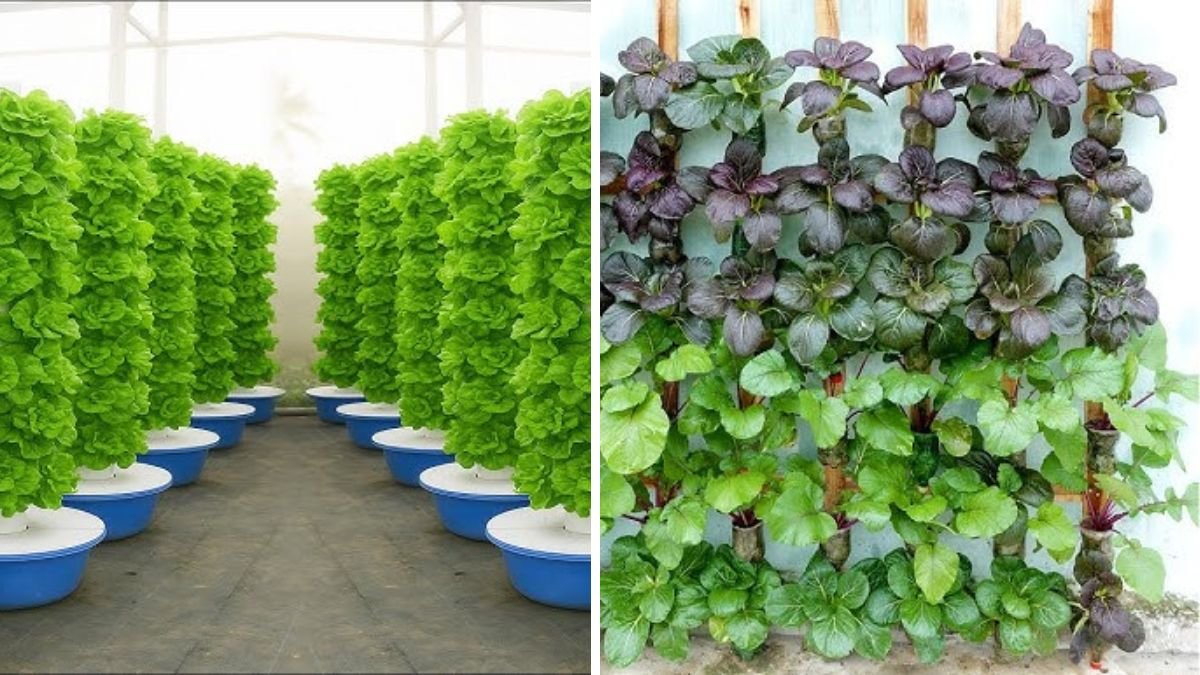
Imagine stepping into your kitchen and picking fresh, crisp lettuce, fragrant basil, or juicy cherry tomatoes — all grown by you, without a backyard. For many urban dwellers, this dream seemed impossible until recently. The rise of vegetable towers — innovative vertical gardening systems — has made growing your own fresh produce simple, space-efficient, and accessible to anyone, anywhere. Whether you live in a high-rise apartment, a townhouse with limited outdoor space, or simply want to maximize your balcony garden, these towers offer a solution that’s practical, efficient, and surprisingly easy.
In this article, we’ll explore the latest developments in vegetable towers, why they are transforming urban agriculture, how they work, and step-by-step guidance for starting your own vertical garden at [FOCUS KEYWORD].
What Is a Vegetable Tower and Why It Matters
A vegetable tower, also known as a tower garden, is a vertical gardening system designed to maximize plant growth in minimal space. Unlike traditional gardens that spread outward, these towers grow plants upwards, stacking multiple planting points along a single structure. Many modern towers use soil-free growing techniques such as hydroponics or aeroponics, meaning plants grow with nutrient solutions rather than soil. This allows for cleaner maintenance, faster growth, and better control over water and nutrients.
The need for such systems is growing. As urban areas expand and available land decreases, people are looking for solutions to produce their own food sustainably. Vertical gardens help address food security challenges in densely populated cities, while also reducing the environmental impact of transporting produce long distances.
Latest News and Trends in Vegetable Towers
The vegetable tower industry is rapidly evolving, with several new innovations making it easier than ever for people to grow fresh produce at home. One of the most notable developments in 2026 is the launch of the City Arrow Tower, a scalable vertical farming system specifically designed for urban spaces. This system allows residents in apartments or homes with limited outdoor space to grow a variety of vegetables and herbs efficiently, directly responding to global food security concerns.
These towers are modular, allowing for easy expansion as your growing needs increase. They are designed for year-round cultivation, making it possible to enjoy fresh produce even in winter months. Experts suggest that vertical gardening, once considered a niche hobby, is now becoming an essential tool for urban sustainability and independent food production.
How Vegetable Towers Work
Understanding how vegetable towers function is essential before you start your own garden. There are two primary systems: aeroponic towers and hydroponic towers.
Aeroponic Towers
Aeroponic towers grow plants with roots suspended in the air. Nutrient-rich water is misted directly onto the roots, providing all the nutrients the plant needs. This method uses significantly less water than traditional soil-based gardening and eliminates the need for heavy, messy soil. Aeroponic systems are ideal for indoor spaces, patios, or anywhere you want to keep gardening clean and contained.
Benefits of Aeroponics:
- Fast plant growth due to direct nutrient absorption
- Minimal water usage
- Cleaner and less labor-intensive than soil gardening
Hydroponic Towers
Hydroponic towers involve growing plants in a vertical column where roots are submerged or regularly drenched in nutrient solutions. Unlike aeroponics, hydroponics relies on a substrate like coco coir, clay pebbles, or rock wool to support the plants. This system is excellent for leafy greens, herbs, and even some fruits like cherry tomatoes.
Benefits of Hydroponics:
- Can produce higher yields per square foot
- Easier to maintain for beginners
- Supports a wide variety of crops
Both systems allow gardeners to grow fresh produce year-round, conserve water, and maximize space — making them perfect for apartments, balconies, and small yards.
Benefits of Growing a Vegetable Tower
Vertical gardening systems offer numerous advantages over traditional soil gardening, making them especially attractive to urban growers.
No Backyard Required
One of the biggest advantages of a vegetable tower is that it allows anyone to grow fresh produce without access to a garden. Whether you live in a city apartment, a condo, or even a dorm, you can create a thriving food source with minimal space.
Space-Saving
Vertical gardens take up minimal floor space while providing maximum plant yield. You can grow dozens of plants in just a few square feet, making them perfect for balconies, terraces, and indoor areas.
Water and Resource Efficiency
Vegetable towers use significantly less water than traditional gardens. Hydroponic and aeroponic systems recycle water, reducing waste and environmental impact. Some estimates suggest water usage can drop by as much as 90% compared to soil gardening.
Faster Growth and Year-Round Harvests
Plants grown in towers often mature faster than their soil-grown counterparts, thanks to optimized nutrient delivery and controlled conditions. With the right setup, you can enjoy fresh harvests all year long, regardless of climate.
Cleaner and Easier Maintenance
With no soil to manage and nutrients delivered directly to the roots, vertical gardens are cleaner and less labor-intensive. This makes them especially appealing for beginners or people with limited mobility.
Step-by-Step Guide to Growing Your Vegetable Tower at [FOCUS KEYWORD]
Starting a vegetable tower is easier than you might think. Here’s a simple guide to help you begin your vertical gardening journey.
1. Choose Your Space
Select a spot with adequate sunlight, such as a balcony, terrace, or near a large window indoors. Most vegetables require 6-8 hours of light daily, so positioning is crucial for successful growth.
2. Select Your Tower System
Choose a tower gardening system that fits your space and budget. Popular options include aeroponic towers for indoor use or hydroponic towers for larger outdoor balconies. Consider the types of plants you want to grow and check if the tower supports them.
3. Set Up and Plant Seedlings
Follow the manufacturer’s instructions for assembly. Start by adding seedlings or seeds to the designated planting sites. Ensure the water and nutrient reservoirs are properly filled and functioning. For beginners, starting with easy-to-grow greens like lettuce, basil, and Swiss chard is recommended.
4. Monitor and Maintain
Keep an eye on water levels, nutrient solution, and plant health. Rotate crops as needed to maintain productivity and prevent disease. Regularly prune leaves and remove dead plants to encourage healthy growth.
5. Harvest and Enjoy
Depending on the plant, you may see your first harvest within a few weeks. Enjoy fresh herbs, leafy greens, and even vegetables straight from your tower garden. Rotate crops seasonally to keep your garden productive year-round.
Expert Tips for Success
- Start Small: Begin with a few easy-to-grow plants before expanding your tower.
- Use Quality Nutrients: Hydroponic and aeroponic systems rely on nutrient solutions, so invest in high-quality formulas.
- Keep It Clean: Regularly clean your tower to prevent algae or mold buildup.
- Monitor Light: If growing indoors, supplement with grow lights to ensure plants get enough energy.
Authoritative Sources for Further Learning
For those looking to explore vertical gardening in depth, here are some trusted sources:
- City Arrow Tower Launch – Focused on food security and urban agriculture (markets.financialcontent.com)
- Aeroponics & Hydroponics Explained – Detailed guides for soil-free systems (phooldaan.com)
- Top Vegetables for Tower Gardens – Best crops to grow in vertical systems (mygreens.co.nz)
- Indoor Farming Trends – Innovations in tower gardening for urban homes (farmonaut.com)
Conclusion
The era of needing a traditional garden to grow fresh produce is over. With vegetable towers, you can grow your own healthy, nutritious food regardless of space limitations. These systems are not only practical but also environmentally friendly, conserving water and reducing the carbon footprint of transporting vegetables from farms to urban kitchens. By starting your own tower at [FOCUS KEYWORD], you can enjoy fresh produce year-round, save space, and participate in a global movement towards sustainable urban agriculture.
Whether you are a beginner or an experienced gardener, vertical gardens make it easier than ever to embrace homegrown, fresh food. Start small, follow the steps outlined above, and soon you’ll be harvesting your own garden — without ever needing a backyard.