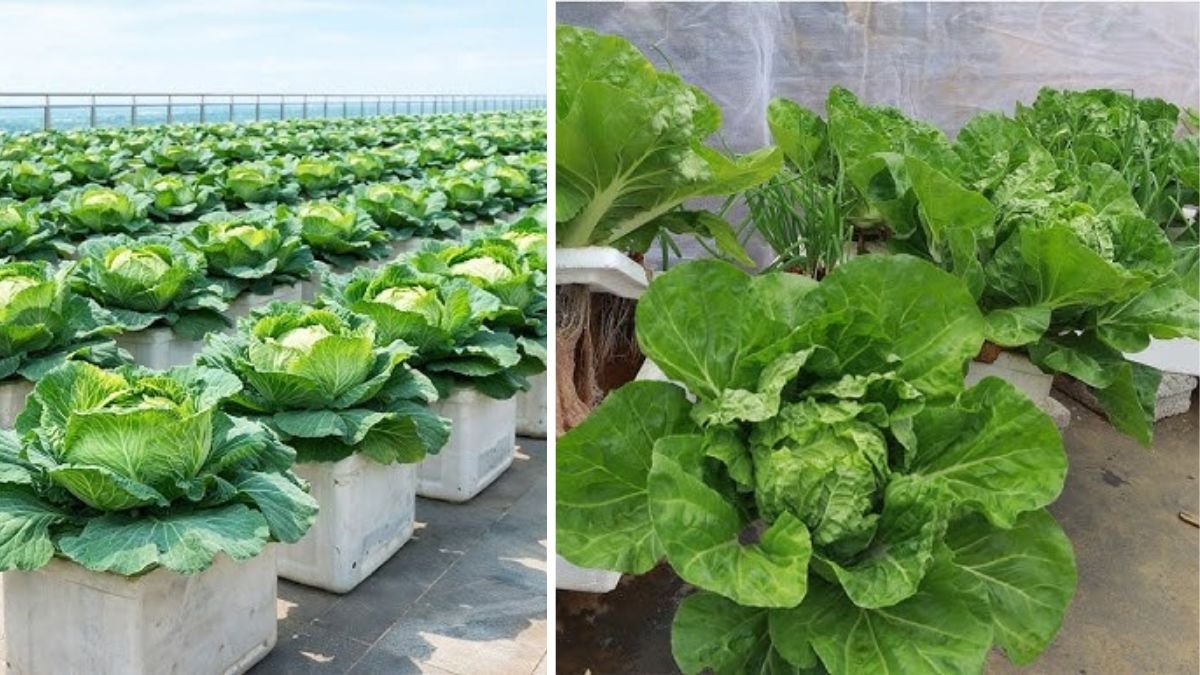
Growing cabbage can be incredibly rewarding, but achieving consistently large, fresh, and healthy heads requires more than just planting seeds and watering. One innovative technique garden enthusiasts are turning to is the Hanging Bottle Cabbage Method—a simple yet highly effective approach that uses suspended water bottles to nurture cabbage plants in a way that optimizes moisture, reduces disease, and supports vigorous growth. In this article, we’ll explore what this method is, why it works, how to implement it step by step, and tips for continued success. By the end, you’ll have all the knowledge you need to grow impressive cabbage heads in your home garden.
What Is the Hanging Bottle Cabbage Method?
The Hanging Bottle Cabbage Method uses inverted plastic bottles filled with water (and optionally nutrients) suspended above cabbage plants. Each bottle slowly dispenses water, creating a micro-irrigation system that delivers consistent moisture directly into the root zone. The idea is similar to drip irrigation but far easier and far more affordable for small-scale gardeners.
Beyond consistent watering, the bottle acts as a mini microclimate regulator, reducing soil temperature fluctuations and discouraging splashing during rain—both of which can help protect cabbage from fungal diseases like black rot and downy mildew. The result? Bigger, fresher, and healthier cabbage heads.
Why This Method Works So Well
Understanding why this technique works helps you apply it more effectively. Here are the key reasons it excels:
1. Consistent Moisture Delivery
Cabbage plants thrive when soil moisture is steady. Too little water leads to stunted growth and bitter heads; too much leads to root rot. The hanging bottle acts like a steady drip system, releasing small amounts of water over time so roots always have access to the moisture they need.
2. Reduced Soil Splash
When rain or irrigation splashes soil onto the lower leaves of cabbage, it can spread disease-causing pathogens. By minimizing surface watering and delivering water directly to the soil, the hanging bottle helps reduce this splash effect.
3. Improved Root Aeration
Traditional overhead watering can lead to compacted soil, which chokes plant roots. Slow, deep watering encourages roots to grow down and outward, improving overall plant vigor.
4. Temperature Moderation
Transparent bottles suspended above plants can slightly warm the root zone during cool periods, extending the growing season and promoting faster early-season growth.
Materials You’ll Need
Before you begin, gather the following:
- Large plastic bottles (1.5–2 liters)
- Sharp knife or scissors
- Nail or small drill bit
- String or sturdy twine
- Water (optional: compost tea or liquid fertilizer diluted per instructions)
- Garden stakes or support frame (optional)
- Mulch (straw, wood chips, or other organic material)
Step‑by‑Step Set‑Up
1. Prepare Your Cabbage Bed
Choose a sunny location with well‑drained soil. Cabbage prefers slightly acidic to neutral pH (6.0–7.0). Before planting, work in compost to enrich the soil and improve texture.
Plant cabbage seedlings according to spacing recommendations (typically 45–60 cm apart), ensuring they have enough room to develop large heads.
2. Modify the Water Bottles
Clean your bottles thoroughly to remove residues. With a sharp knife or scissors, make several small holes near the bottle cap. A nail heated with a flame can also punch tiny holes—these control the water flow.
Test‑fit the holes by filling the bottle with water and allowing it to drip; you want slow, steady drips—not dribbles or a tight trickle.
3. Fill and Hang the Bottles
Fill each bottle with water (fresh water or a diluted nutrient solution if you choose). Securely screw the cap back on.
Tie a length of sturdy twine around the bottle neck or shoulders. Hang one bottle above each cabbage plant, positioning it so the cap (with the holes) is directly above the base of the plant but not touching any leaves.
The ideal height is about 15–25 cm above the soil surface. Stakes or a simple frame can help support the bottles if branches or wind might cause swaying.
4. Mulch Around the Plants
Apply a 5–7 cm layer of mulch around each plant, keeping mulch a few centimeters away from the stem. Mulch helps retain moisture, suppress weeds, and gradually improves soil structure as it breaks down.
Daily and Weekly Care Routines
Water Monitoring
Check the bottles daily. Refill when water level drops below half. In hot or windy conditions, you may need to refill every 1–3 days.
Monitor the soil moisture by sticking your finger into the ground up to the second knuckle. If it feels dry at that depth, the plant needs more water.
Fertilization
Cabbage is a heavy feeder. If you’ve not used a nutrient solution in your bottles, apply a balanced organic fertilizer around the base every 3–4 weeks during the growing season.
Avoid getting fertilizer on the leaves, as this can burn plant tissue.
Pest Management
Common cabbage pests include cabbage worms, aphids, and slugs. Inspect your plants regularly:
- Remove caterpillars by hand
- Use neem oil or insecticidal soap for aphids
- Set beer traps or copper tape to deter slugs
Floating row covers can be helpful early in the season to prevent butterflies from laying eggs on your plants.
Signs Your Cabbage Is Thriving
Healthy cabbage grown with the hanging bottle method will show:
- Deep green, glossy leaves
- Strong, upright stems
- Evenly firming heads
- Minimal leaf yellowing or spotting
If the head feels soft, uneven, or loose when gently squeezed, evaluate your watering schedule and soil fertility.
When to Harvest
Cabbage is ready to harvest when heads are firm and have reached expected size for the variety you planted. Use a sharp knife to cut the head off at the base, leaving outer leaves and stem if you want secondary smaller heads later.
For prolonged harvests, remove only the largest heads first and allow smaller side shoots to develop.
Common Mistakes and How to Avoid Them
Too Much Water
If holes in the bottle are too large or you are refilling too often, the soil can become waterlogged. Roots need oxygen too—make sure water drips slowly.
Watering Too High or Too Low
Placement matters. Too high and water evaporates before reaching roots; too low and water pools at the stem base, inviting rot. Aim for consistent soil moisture at root depth.
Ignoring Soil Nutrition
While water is important, nutrients drive head size and flavor. Regularly test your soil and amend with compost or organic fertilizer as necessary.
Benefits Beyond Bigger Heads
Aside from impressive cabbage size and quality, gardeners appreciate that this method:
- Conserves water compared to traditional watering
- Reduces disease by minimizing leaf wetness
- Encourages deeper root growth
- Can be adapted for other vegetables like broccoli, cauliflower, and even lettuce
Conclusion
The Hanging Bottle Cabbage Method is an affordable, easy‑to‑implement technique that can dramatically improve your cabbage harvest. By providing consistent moisture directly to the roots, reducing disease risks, and encouraging strong, vigorous growth, this approach helps you produce big, fresh, and healthy cabbage heads season after season.
Whether you’re an experienced vegetable gardener or just starting out, try this method in your next growing cycle. With a little planning and regular care, you’ll enjoy more plentiful and flavorful cabbage than ever before.