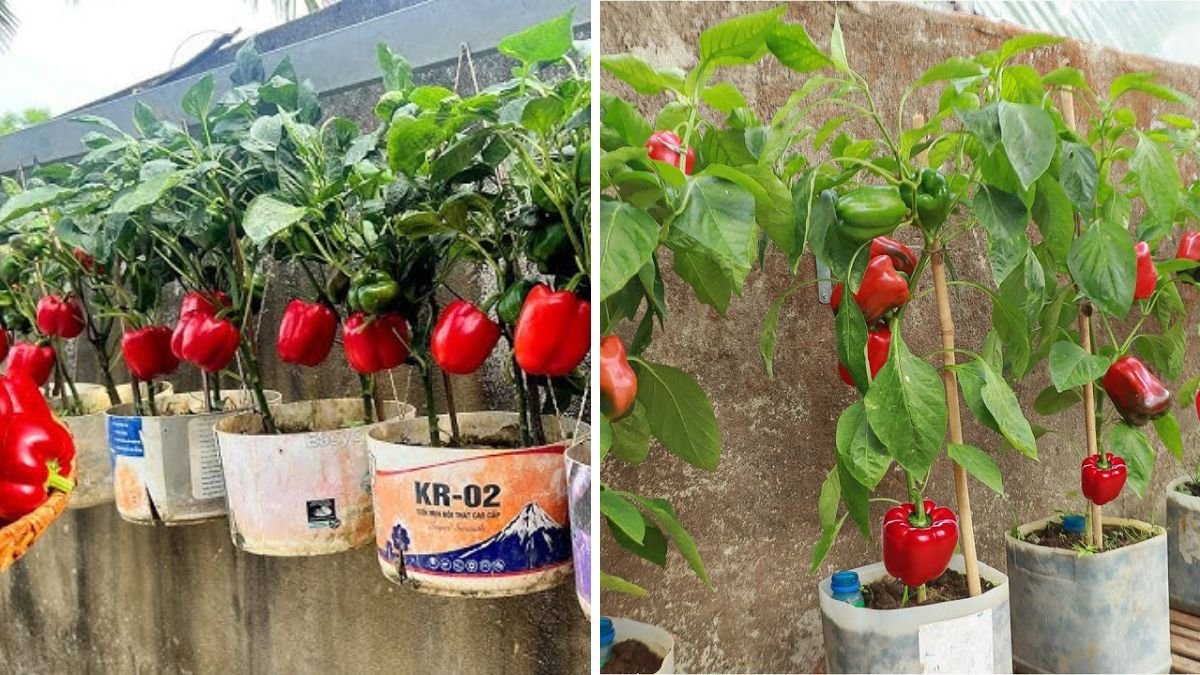
Introduction: Bell Peppers Made Easy
Bell peppers, also known as capsicum, are among the most versatile and nutrient-rich vegetables you can grow at home. Packed with vitamins A, C, and antioxidants, they are a staple in salads, stir-fries, and sauces. Yet, many new gardeners assume that bell peppers are complicated to cultivate — requiring perfect soil, precise watering, and ample garden space.
But here’s the good news: recent experiments, expert guides, and home gardening innovations prove otherwise. The phrase “I never thought growing bell peppers could be this easy” is becoming increasingly common, especially among urban gardeners using container methods, smart soil mixes, and simple care routines. In this article, we’ll explore the easiest ways to grow bell peppers, step by step, and show you how you can enjoy a bountiful harvest with minimal stress.
Why Bell Peppers Seem Hard to Grow
Bell peppers often intimidate beginners because they appear delicate and require a long growing season. Traditional advice recommends spacious garden beds, carefully timed fertilization, and constant pest monitoring. This can overwhelm anyone just starting out.
However, modern gardening techniques make bell peppers more approachable than ever. Container gardening, organic fertilizers, and careful pruning are reducing failures and boosting yields. Even those with small balconies, patios, or limited sunlight are achieving impressive results.
Social media trends have highlighted these successes, with posts titled “I Never Thought Growing Bell Peppers Could Be This Easy – Until I Tried This Method!” gaining millions of views. These success stories prove that, with the right approach, anyone can grow bell peppers successfully.
Step 1: Choosing the Right Container and Soil
For beginners, containers are the easiest way to grow bell peppers. A 5-gallon (≈20 L) pot provides enough space for roots while keeping soil conditions controlled. Make sure the container has drainage holes to prevent waterlogging.
The right soil mix is equally important. Bell peppers thrive in nutrient-rich, well-draining soil. Combine organic compost with coconut coir or peat moss, and consider adding cow dung or neem cake for slow-release nutrients. This mixture encourages strong root growth and healthier plants.
For urban gardeners, container setups allow precise control over water, nutrients, and pest management — a major reason why growing bell peppers is now considered so easy.
Step 2: Sunlight and Watering
Bell peppers need 6–8 hours of direct sunlight daily. Place containers in sunny spots like balconies, terraces, or south-facing windows.
Watering consistently is key. Deep, moderate watering is better than frequent shallow watering. This encourages roots to grow deeper and stronger, making the plant more resilient. Avoid soggy soil, as overwatering can lead to root rot and fungal issues.
Tip: Use a moisture meter or stick your finger into the soil. If the top inch feels dry, it’s time to water.
Step 3: Fertilization and Soil Nutrition
Bell peppers are heavy feeders and benefit from regular fertilization. A balanced mix of nitrogen (for foliage), phosphorus (for roots), and potassium (for fruits) supports healthy growth.
Organic options like compost, vermicompost, and neem cake can be added at the time of planting or as a top dressing every 4–6 weeks. For faster fruit production, use a slow-release fertilizer designed for vegetables.
Healthy soil not only improves growth but also enhances flavor and color. Many gardeners now report that the peppers grown at home taste sweeter and fresher than store-bought produce.
Step 4: Pruning and Support
As bell peppers grow, their branches can become heavy with fruit. Use stakes or cages to support the plant and prevent breakage.
Pruning is another crucial step. Remove small flowers early to allow the plant to focus on root and foliage development. Once the plant is established, encourage fruit production by selectively pruning leaves that block sunlight from reaching the peppers.
These simple steps ensure better airflow, reduce disease risk, and improve overall fruit quality.
Step 5: Container Gardening Tricks
For those with limited space, container gardening is a game-changer. Containers let you manage sunlight, soil nutrients, and watering more easily than traditional garden beds.
You can even rotate containers throughout the season to ensure maximum sunlight exposure or move plants indoors during unexpected cold snaps. With containers, pests are easier to manage, and soil adjustments can be made quickly — all factors contributing to why bell peppers are now so easy to grow.
Quick Hack: Ripen Bell Peppers Faster
One common challenge is waiting for peppers to ripen and change color. A simple hack is to remove smaller fruits and extra flowers. This directs the plant’s energy toward ripening the main fruits faster.
Additionally, consistent watering and fertilization during fruit development can speed up color change. Bell peppers typically turn from green to red, yellow, or orange depending on the variety, and controlling these factors can reduce the time needed to harvest fully mature fruits.
Pest and Disease Management
Bell peppers are generally hardy, but pests like aphids, spider mites, and whiteflies can appear. Regular inspection and preventive measures, like neem oil sprays, are effective at controlling these issues.
Diseases such as bacterial leaf spot or powdery mildew can be minimized by ensuring proper spacing, airflow, and avoiding overwatering. Container setups help here, as they allow better control of plant conditions and make treatments easier to apply.
Harvesting Tips
Knowing when to harvest is crucial for taste and yield. Green peppers can be picked when they reach full size but before color change. For sweeter, more flavorful peppers, wait until they develop their full color.
Use scissors or pruning shears to cut fruits rather than pulling them, which can damage the plant. Regular harvesting encourages continuous fruit production, giving you fresh peppers throughout the season.
Winter and Off-Season Care
In colder climates, bell peppers are sensitive to frost. Moving containers indoors or using greenhouse setups extends the growing season. Indoors, ensure adequate sunlight or supplement with grow lights.
Overwintered plants may produce a limited crop, but they are ready for rapid growth once returned to outdoor conditions, making bell peppers a sustainable option year after year.
Conclusion: Why Everyone is Saying Growing Bell Peppers is Easy
With modern methods like container gardening, smart pruning, consistent watering, and soil optimization, bell peppers have become accessible to beginner gardeners and urban dwellers alike. What once seemed like a challenging crop can now thrive on a balcony, terrace, or even a sunny window.
The next time you hear someone exclaim, “I never thought growing bell peppers could be this easy”, remember it’s no exaggeration. By following these expert tips, anyone can enjoy fresh, juicy bell peppers from their own home garden.
Start small, be consistent, and watch your peppers flourish — you’ll be amazed at how simple it really is