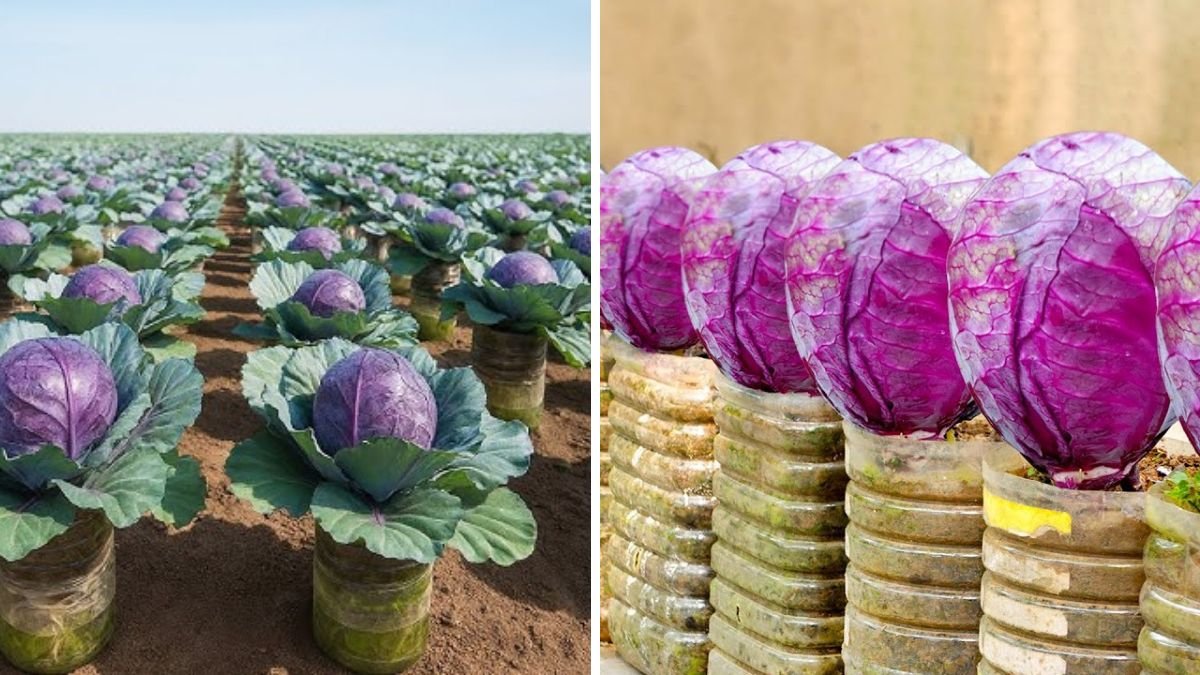
Strawberries, tomatoes, lettuce — home gardening is increasingly popular, especially in urban spaces where soil and space are limited. One sustainable solution gaining attention is upcycling old plastic bottles into planters, a creative approach that lets you grow vegetables like purple cabbage even on balconies or patios. Not only does this method reduce plastic waste, but it also introduces a hands-on, cost-effective way to cultivate fresh, healthy produce at home.
In recent years, DIY gardening projects using plastic bottles have gone viral online. From vertical gardens to self-watering systems, creative gardeners worldwide are repurposing bottles to create compact, sustainable vegetable gardens. While there isn’t breaking news specifically about purple cabbage in bottle gardens, these innovations are rapidly growing in popularity and inspire eco-conscious gardeners everywhere.
This article will guide you step-by-step to turn old bottles into functional planters, explain why this is an eco-friendly practice, and provide expert tips to grow a thriving purple cabbage garden successfully.
Why Use Plastic Bottles for Gardening?
Plastic pollution is a global concern. Millions of bottles end up in landfills and oceans each year, contributing to environmental degradation. Repurposing these bottles into garden planters addresses multiple issues at once:
- Reduces waste: By using bottles for gardening, you give plastic a second life.
- Saves money: Instead of buying expensive planters, you can reuse materials you already have.
- Allows urban gardening: Apartments, terraces, and small patios can accommodate vertical or bottle-based gardens.
- Promotes sustainability: Growing your own vegetables reduces dependency on store-bought produce and lowers your carbon footprint.
Urban gardeners and sustainability enthusiasts are increasingly experimenting with bottle gardens because they combine practicality, innovation, and environmental responsibility.
Background: The Rise of DIY Bottle Gardening
DIY gardening with plastic bottles has become a growing trend. Across India and globally, gardeners are sharing ideas online for vertical bottle gardens, self-watering bottle systems, and creative seedling trays. Community projects and schools have also embraced this approach, using plastic bottles to teach students about sustainability and urban agriculture.
For example, a college in Karnataka repurposed hundreds of plastic bottles to create a hanging vegetable garden. This project demonstrated that even small, affordable materials could produce nutritious vegetables like cabbage, spinach, and herbs. (The Better India)
Similarly, lifestyle and eco-DIY websites have published guides on vertical gardens made entirely from plastic bottles, showing how these designs maximize sunlight exposure while saving space. These projects emphasize creativity and sustainability, inspiring both beginners and experienced gardeners to try their hand at bottle-based gardening. (The Better India)
How to Turn Old Plastic Bottles Into a Purple Cabbage Garden
Purple cabbage is compact, nutrient-rich, and perfect for bottle gardening. Its slow growth and manageable size make it ideal for small-scale planters. Here’s how to get started:
1. Select and Clean Bottles
Choose 500ml to 2L plastic bottles for optimal planting space. Remove labels and thoroughly wash each bottle with warm water to remove any residue. Clean bottles prevent contamination and provide a safe environment for plant growth.
2. Cut and Prepare the Bottles
For upright planters:
- Cut a large opening along the side of the bottle.
- Drill or poke drainage holes at the bottom to prevent waterlogging.
For self-watering planters:
- Cut the top third of the bottle.
- Invert it into the lower portion, creating a funnel that allows water to gradually feed the soil.
This setup works especially well for purple cabbage, which prefers consistent moisture but well-drained soil. (AgriFarming)
3. Add Soil and Compost
Fill each bottle with a mix of garden soil, compost, and cocopeat. This combination ensures proper nutrient content and water retention, both critical for cabbage growth. Nutrient-rich soil helps seedlings develop strong roots and healthy leaves.
4. Plant Purple Cabbage Seedlings
Choose dwarf or compact cabbage varieties if possible. If starting from seed:
- Germinate seeds in small seed trays made from cut bottle tops.
- Once seedlings have 4–6 true leaves, transplant them into the prepared bottle planters.
Cabbage plants thrive with regular sunlight, consistent moisture, and nutrient-rich soil.
5. Position the Bottles for Sunlight
Place your bottle garden where plants receive at least 6 hours of sunlight daily. Balcony railings, terrace walls, and sunny window sills work perfectly. Rotating bottles occasionally ensures even light distribution for uniform growth.
6. Water and Feed Regularly
For self-watering systems, refill the reservoir as needed. Otherwise, water the soil gently but consistently. Cabbage benefits from a weekly feeding of liquid fertilizer or compost tea to promote leafy growth.
Creative Ideas for Bottle Gardening
Vertical Bottle Gardens
Hang multiple bottles from ropes, wood planks, or fences to create a vertical green wall. This arrangement saves space and allows for multiple crops in a small area, from herbs to leafy vegetables. (The Better India)
Decorative and Functional Designs
Cut bottles into spirals, wind chimes, or artistic shapes. These not only add beauty to your garden but can help deter pests and promote airflow around the plants. (Birbal News)
Self-Watering Systems
Transform bottles into self-watering planters, reducing the need for daily watering. This is particularly useful during hot seasons or for gardeners who travel often. (Devaraja Market)
Seedling Trays
Split bottles into smaller sections to use as seedling trays. This method provides a cost-effective, eco-friendly start for germinating seeds before transplanting them into larger bottle planters. (Homes and Gardens)
Health and Safety Considerations
While bottle gardening is eco-friendly, gardeners should consider the potential for chemical leaching from plastics:
- Use bottles made from PET (#1) plastics rather than older, degraded plastics.
- Avoid leaving bottles in direct sunlight for extended periods.
- If concerned, consider glass jars or clay pots for edible crops to prevent microplastic contamination. (Reddit – Plastic-Free Living)
By following these precautions, you can safely enjoy your homegrown purple cabbage and other vegetables.
Authoritative Sources
For credibility and accuracy, consult these resources:
- Creative Green Living: Guides for DIY gardening and upcycling plastic bottles. (creativegreenliving.com)
- Homes and Gardens: Tips for seed trays, watering, and vertical bottle gardens. (homesandgardens.com)
- GrowVeg & GardenGuides: Expert hacks for bottle gardening and pest management. (growveg.com)
- The Better India: Success stories of sustainable urban gardening using plastic bottles. (thebetterindia.com)
Conclusion
Repurposing old plastic bottles into a purple cabbage garden is a creative, sustainable, and practical solution for urban gardeners. Not only does it reduce plastic waste, but it also provides a convenient way to grow nutritious vegetables in small spaces. From vertical gardens to self-watering bottles, this DIY approach demonstrates that sustainability and creativity go hand in hand.
By following the steps outlined in this guide, you can create a thriving, eco-friendly vegetable garden at home. Start saving your plastic bottles today, and transform them into a productive, beautiful, and sustainable garden.