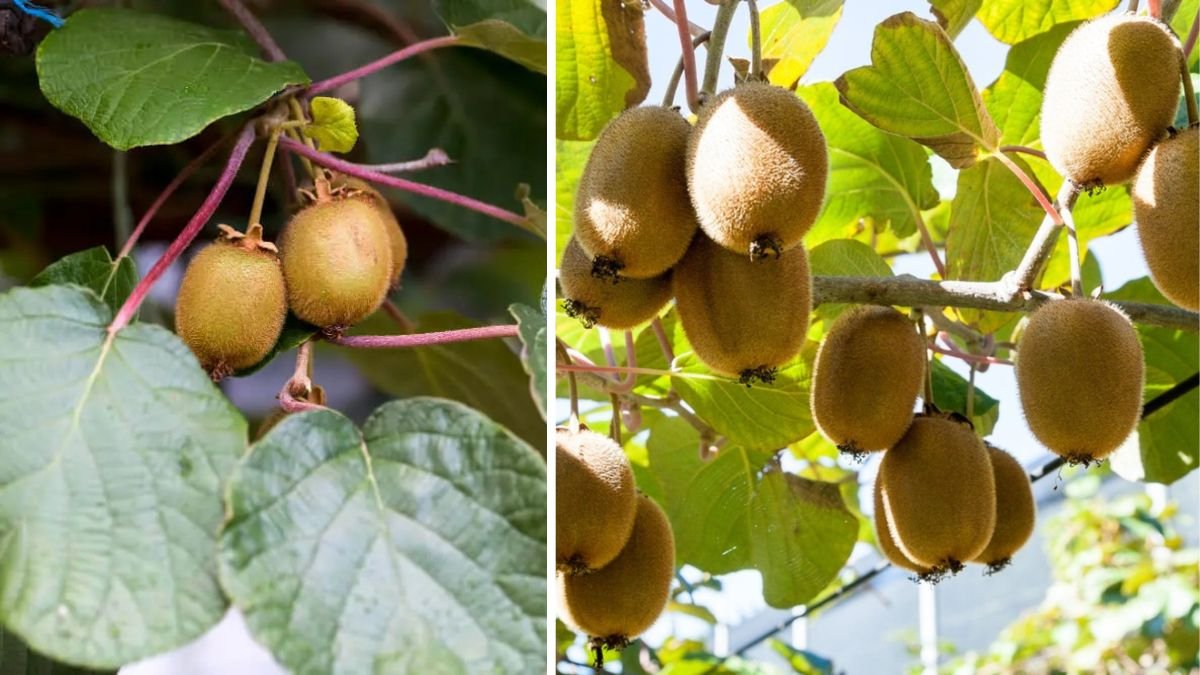
Growing kiwi plants at home from fresh kiwi fruits is a rewarding and enjoyable gardening project, especially for beginners who love experimenting with fruit plants. Kiwi is not only delicious and rich in vitamins, but it also adds beauty to your garden with its lush vines and attractive leaves. Many people believe that growing kiwi at home is difficult, but with the right method, patience, and care, you can successfully grow strong kiwi plants from seeds.
In this detailed guide, you will learn how to grow kiwi plants from kiwi fruits at home, step by step, using simple materials and proven techniques.
Why Grow Kiwi from Seeds at Home?
Growing kiwi from seeds has several benefits. First, it is economical because you can use seeds from store-bought fruits. Second, it allows you to experience the complete life cycle of the plant, from seed to vine. Third, seed-grown plants often develop strong root systems, making them more adaptable to different growing conditions.
Additionally, growing kiwi at home gives you access to fresh, chemical-free fruits and adds a touch of greenery to your space.
Understanding Kiwi Plant Requirements
Before starting, it is important to understand what kiwi plants need to grow successfully:
- Sunlight: Kiwi plants require 6–8 hours of direct sunlight daily.
- Temperature: They prefer moderate climates between 15°C and 30°C.
- Soil: Well-draining, fertile soil with organic matter is ideal.
- Water: Regular watering is essential, but waterlogging must be avoided.
- Support: Kiwi plants are climbing vines and need strong support structures.
Knowing these basic requirements will help you create the right environment for your plant.
Step 1: Selecting and Preparing Kiwi Seeds
Start by choosing a ripe, healthy kiwi fruit from the market. Make sure it is fresh and free from damage.
How to Extract Seeds:
- Cut the kiwi fruit in half.
- Scoop out the pulp containing the seeds.
- Place the pulp in a bowl of water.
- Mash gently with a spoon.
- Let it settle for a few minutes.
- The seeds will sink to the bottom.
- Strain and rinse the seeds thoroughly.
Spread the cleaned seeds on a paper towel and allow them to dry for one day.
Step 2: Germinating Kiwi Seeds
Kiwi seeds need proper germination conditions to sprout.
Method for Germination:
- Place the dried seeds on a damp paper towel.
- Fold the towel and place it inside a plastic bag.
- Seal the bag loosely.
- Keep it in a warm place (20°C–25°C).
- Check moisture daily.
Within 7 to 14 days, small sprouts will begin to appear.
Alternatively, you can sow the seeds directly in soil, but paper towel germination increases success rates.
Step 3: Preparing the Pot and Soil
Once the seeds have sprouted, prepare small pots for planting.
Ideal Soil Mix:
- 40% garden soil
- 30% compost
- 20% cocopeat or peat moss
- 10% sand or perlite
This mixture ensures good drainage and nutrient availability.
Choose pots with drainage holes to prevent water accumulation.
Step 4: Planting the Sprouted Seeds
Carefully transfer the germinated seeds into prepared pots.
Planting Steps:
- Make shallow holes (0.5 cm deep).
- Place one sprouted seed in each hole.
- Cover lightly with soil.
- Water gently.
- Place pots in indirect sunlight.
Avoid pressing the soil too firmly, as young roots need air circulation.
Step 5: Caring for Young Kiwi Seedlings
The early growth stage is critical for healthy development.
Essential Care Tips:
- Watering: Keep soil moist but not soggy.
- Light: Provide bright, indirect light initially.
- Temperature: Maintain warm conditions.
- Protection: Keep away from strong winds and pests.
After 3–4 weeks, seedlings will develop multiple leaves and stronger stems.
Step 6: Transplanting to Bigger Pots or Garden
When plants reach 15–20 cm in height, they are ready for transplanting.
Transplanting Process:
- Choose a sunny location.
- Dig a hole twice the root ball size.
- Add compost.
- Place the plant carefully.
- Fill soil and press gently.
- Water thoroughly.
If growing in containers, use large pots (at least 20–25 liters).
Step 7: Providing Support for Kiwi Vines
Kiwi plants are climbers and require strong support.
Support Options:
- Wooden trellis
- Metal wires
- Pergola
- Fence
Install support early to avoid disturbing roots later. Guide vines gently as they grow.
Step 8: Fertilizing and Feeding
Regular feeding improves growth and fruit production.
Fertilizer Schedule:
- Apply compost every 2 months.
- Use balanced NPK fertilizer (10-10-10) every 4–6 weeks.
- Add vermicompost for organic nutrition.
Avoid over-fertilizing, as it may cause excessive leaf growth with fewer fruits.
Step 9: Pruning and Training
Pruning helps control growth and improves air circulation.
Pruning Tips:
- Remove weak and damaged branches.
- Trim excess shoots.
- Prune during dormant season.
- Shape vines along supports.
Proper pruning increases sunlight exposure and enhances fruiting.
Step 10: Flowering, Pollination, and Fruiting
Kiwi plants usually take 3–5 years to produce fruits.
Important Fact: Kiwi plants are mostly dioecious, meaning male and female flowers grow on separate plants.
To get fruits, you need at least:
- One male plant for every 6–8 female plants
Bees help with pollination, but hand pollination can also be done using a soft brush.
Common Problems and Solutions
1. Yellow Leaves
Cause: Overwatering or nutrient deficiency
Solution: Improve drainage and add compost
2. No Flowers
Cause: Lack of sunlight or pruning mistakes
Solution: Increase sun exposure and correct pruning
3. Pest Attacks
Common pests: Aphids, spider mites
Solution: Use neem oil spray
4. Slow Growth
Cause: Poor soil or low nutrients
Solution: Improve soil quality
Benefits of Growing Kiwi at Home
- Fresh, organic fruits
- Saves money
- Improves air quality
- Enhances garden beauty
- Reduces chemical exposure
Growing kiwi plants also provides a relaxing and therapeutic gardening experience.
Final Thoughts
Learning how to grow kiwi plants from kiwi fruits at home is a fulfilling journey that requires patience, care, and consistency. From extracting seeds to harvesting sweet fruits, every stage offers valuable experience and satisfaction. Although it takes time for kiwi plants to mature, the long-term rewards are truly worth the effort.
By following this complete guide, even beginners can successfully grow healthy kiwi vines and enjoy homegrown kiwi fruits for many years.