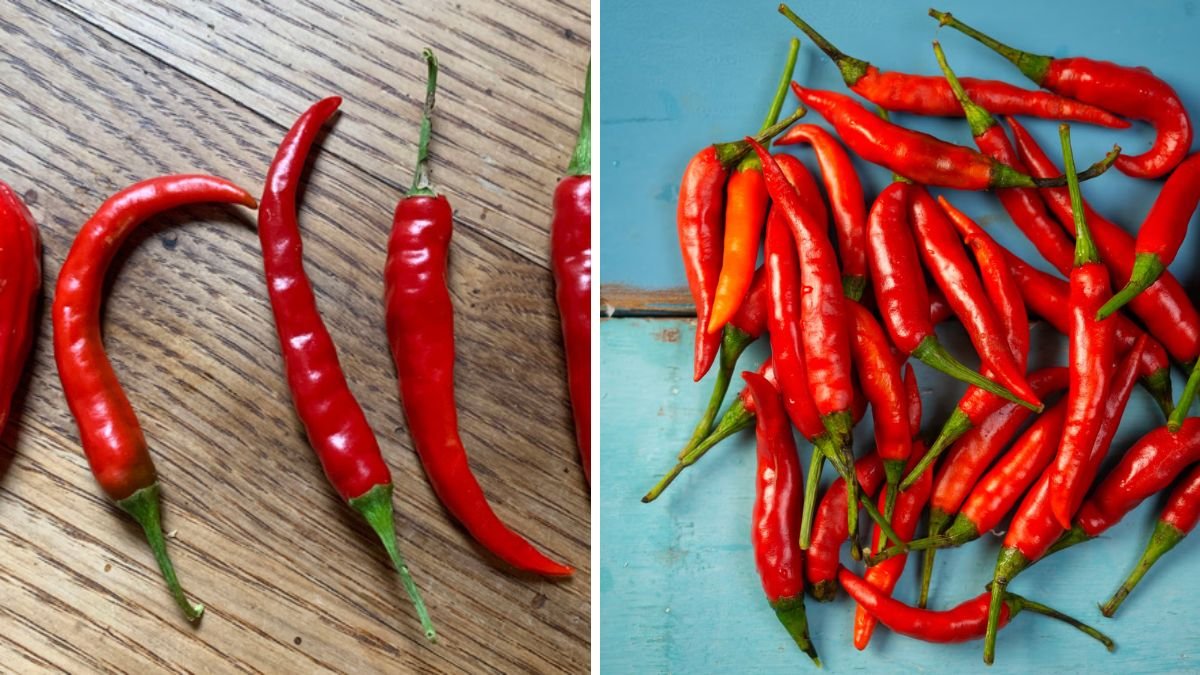
Introduction: A Sweet Surprise in the Chili World
For many chili enthusiasts, discovering a chili that is sweet, flavorful, and only mildly spicy can feel like uncovering a secret the world has kept hidden. Most people automatically associate chilies with intense heat, fire, and sweat-inducing dishes. But the truth is, the chili family is vast and diverse — including varieties that deliver complex flavor without overwhelming heat.
These sweet chili varieties are perfect for anyone who wants the taste and aroma of peppers without excessive spice. They’re gaining attention worldwide, especially as 2026 has been declared the Year of the Hot Pepper, emphasizing not just heat but flavor, versatility, and culinary creativity. (Homes & Gardens)
In this article, we explore why you may have never heard about these sweet chilies, what makes them so appealing, and how you can use them in your cooking and garden. By applying the [FOCUS KEYWORD] strategy, you’ll discover a world of chili flavors you didn’t know existed.
Understanding Chili Flavor: Sweet vs. Hot
Chilies belong to the genus Capsicum, a group of plants ranging from fire-hot habaneros to sweet bell peppers. All chilies contain capsaicin, the compound responsible for heat, but the level of capsaicin varies dramatically. This explains why some peppers deliver a fiery punch, while others offer sweetness and aroma.
Many people searching for “sweet chili” are often referring to sweet peppers, such as bell peppers, which have zero heat but are rich in natural sugars and aromatic compounds. However, some true chili varieties combine mild heat with natural sweetness, producing a nuanced flavor profile perfect for cooking and fresh eating. (Smithsonian Magazine)
Sweet and Mild Chili Varieties to Know
Here are some sweet chili varieties worth exploring:
1. Sweet Kiss Chili
- A hybrid designed for a gentle, sweet flavor with very low heat (~1,000–2,000 SHU).
- Ideal for salads, salsas, or pickling.
- Produces vibrant red fruits that are visually appealing and flavorful. (Alibaba Spice)
2. Ají Dulce
- Native to the Caribbean and Latin America.
- Mild, smoky, and sweet; often used in sofrito, stews, and sauces.
- Delivers flavor and aroma without spiciness, making it a staple in traditional dishes. (Wikipedia)
3. Shishito Pepper
- Popular in East Asian cuisine.
- Mostly mild with a slightly sweet taste, though occasionally one pepper may surprise with a little heat.
- Perfect for roasting, blistering, or quick sautéing. (Wikipedia)
4. Fruity Capsicum Baccatum Varieties
- Certain Baccatum cultivars have a fruity, sugar-accented flavor even with light heat.
- Excellent for adding complexity to sauces and fresh dishes. (Reddit HotPeppers)
Why These Sweet Chilies Are Trending Now
The rise in popularity of sweet and mild chili varieties aligns with a global trend: people are seeking flavor over heat. While super-hot peppers often grab attention, many cooks and gardeners now prioritize aromatic, fruity, and sweet peppers.
The 2026 Year of the Hot Pepper highlights this shift, celebrating both spicy and sweet varieties. Home gardeners, chefs, and food enthusiasts are exploring these overlooked chilies, discovering new culinary uses and enjoying the diversity of flavors they bring to meals. (Homes & Gardens)
Culinary Uses for Sweet & Mild Chilies
Fresh Applications
- Salads and Salsas: Adds crunch and mild pepper flavor without overpowering.
- Stuffed Peppers: Thick-walled sweet chilies are ideal for stuffing with grains, cheeses, or meats.
Cooked Dishes
- Roasted or Blistered: Sweet chilies caramelize beautifully, enhancing their fruity flavor.
- Pickling and Preserves: Their mild heat allows the sweetness to shine in pickled dishes.
These chilies are perfect for cooks who want complexity without fire, and they are ideal for families with children or those sensitive to spice.
Growing Sweet Chilies at Home
Many sweet chili varieties are surprisingly easy to cultivate. Here’s a basic guide:
- Sunlight: At least 6–8 hours of full sun daily.
- Soil: Well-drained with rich organic matter.
- Watering: Moderate, consistent moisture.
- Harvesting: Pick fruits when fully colored to maximize sugar content.
Mature in 60–80 days, these chilies are suitable for garden beds, pots, or balcony planters. Their gentle heat makes them versatile for any home cook who wants fresh, flavorful peppers.
Sweet Chili vs. Sweet Bell Pepper
A key distinction: not all sweet peppers are chilies. Bell peppers have zero heat, while sweet chili cultivars contain mild capsaicin, which adds subtle warmth and flavor. Sweet chilies offer a unique combination of taste and slight heat that bell peppers lack, making them an exciting addition to any garden or recipe. (Alibaba Spice)
Why You Didn’t Know About These Chilies
Historically, the chili world has been dominated by heat-focused varieties like jalapeños and habaneros. Sweet and mild chilies often went under the radar because culinary culture emphasized spiciness as the defining trait of chilies. The recent spotlight on flavor, diversity, and versatile cooking applications has brought these sweet varieties into the limelight, helping people discover chilies they might have overlooked for years.
Conclusion: A Sweet Chili Worth Exploring
If you’ve ever thought, “Why didn’t I know about this chili earlier?”, it’s because sweet, flavorful, and mildly hot peppers have historically been overshadowed by their fiery cousins. Today, thanks to global culinary trends, home gardening movements, and recognition like the Year of the Hot Pepper, these varieties are finally gaining the attention they deserve.
From Sweet Kiss to Ají Dulce and Shishito peppers, these chilies are easy to grow, versatile in the kitchen, and a delight for anyone exploring the world of peppers beyond heat. Applying the [FOCUS KEYWORD] strategy, you can experiment with these chilies in your garden and kitchen to enjoy fresh, sweet, and flavorful peppers year-round.
Suggested Authoritative Sources
- Sweet Kiss Chili Peppers Guide — (Alibaba Spice)
- Ají Dulce — (Wikipedia)
- Shishito Pepper — (Wikipedia)
- History and Science of Chilies — (Smithsonian Magazine)
- 2026 Year of the Hot Pepper — (Homes & Gardens)