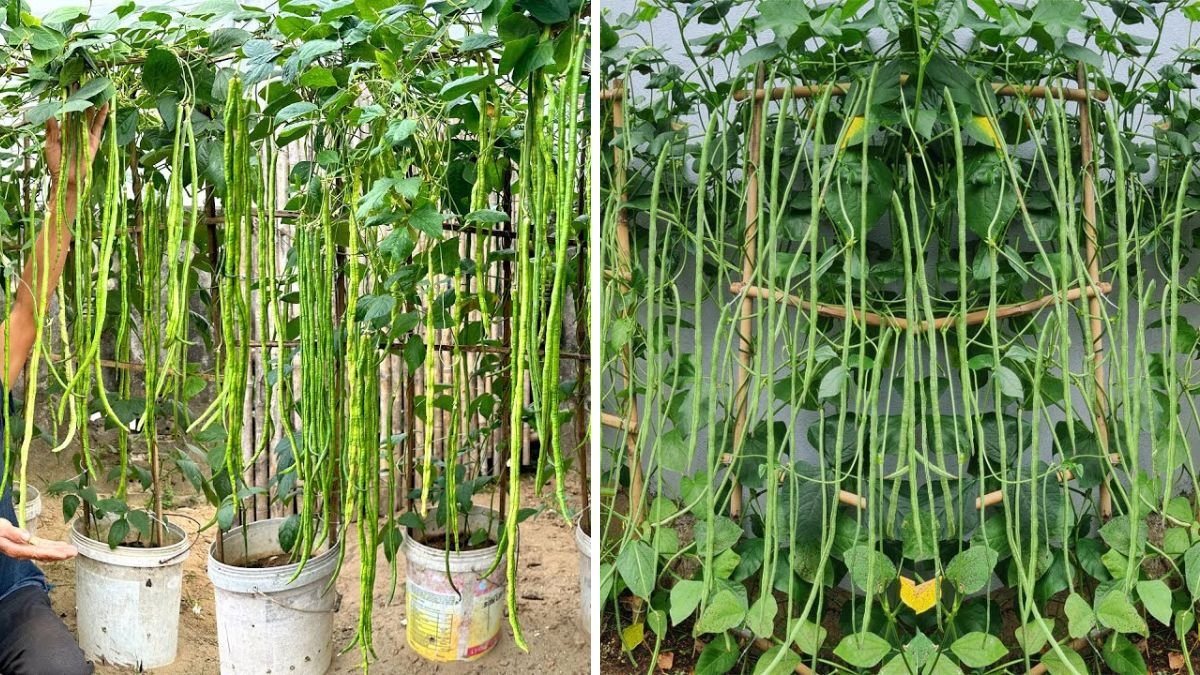
Introduction: Why Cowpeas Are Vital
Cowpea (Vigna unguiculata), commonly called the black-eyed pea, is an essential legume cultivated in semi-arid and arid regions around the world. Its dual purpose as a nutritious food source and a soil-improving legume makes it a cornerstone of sustainable agriculture. Cowpeas provide vital protein, vitamins, and minerals while naturally enriching soil through biological nitrogen fixation, reducing dependence on synthetic fertilizers. (PMC)
Despite its resilience, achieving high yields remains a challenge for many smallholder farmers. Recent agricultural news highlights breakthroughs and “secrets” to helping cowpeas thrive, ranging from advanced breeding techniques to optimized agronomic practices. By adopting these strategies, farmers can significantly increase productivity, even under challenging environmental conditions. (thebftonline.com)
High-Yielding Varieties: The Genetic Secret
One of the most important factors in achieving outstanding cowpea yields is the choice of high-yielding, genetically improved varieties. Agricultural research institutes worldwide have developed cowpea cultivars that mature quickly, resist pests and diseases, and tolerate drought — all of which are critical for high productivity.
Short-Duration, Drought-Tolerant Varieties
New varieties like Awudu Benga and Kanton Bongdaa introduced in Ghana can yield approximately 2.5–2.6 tonnes per hectare under optimal conditions. These cultivars are short-duration, nutrient-rich, and resistant to common pests, making them ideal for smallholder farmers in regions with unpredictable rainfall. (thebftonline.com)
Genetic Diversity and Breeding Programs
Maintaining genetic diversity is crucial. Breeders select superior genotypes with traits such as early maturity, drought resistance, and pest tolerance. Genetic improvement ensures that the cowpea varieties not only produce higher yields but also withstand local environmental stresses, maximizing farmer returns. (arccjournals.com)
Agronomic Secrets: Nutrients, Spacing, and Crop Management
While genetics provide the foundation, good agronomic practices are key to unlocking a cowpea plant’s full yield potential. Field research shows that integrated nutrient management, planting geometry, and timely crop care are pivotal for success.
Integrated Nutrient Management
Optimal cowpea growth depends on proper nutrient supply. Studies indicate that combining synthetic fertilizers with organic amendments such as vermicompost improves plant height, pod number, seed weight, and grain yield. Balanced nutrition strengthens plants and boosts resilience against environmental stresses. (agronomyjournals.com)
Planting Geometry and Spacing
Correct spacing ensures each plant receives sufficient light, water, and nutrients. Trials in the Guinea Savanna and other semi-arid zones demonstrate that proper plant geometry can increase grain yield significantly, reduce disease incidence, and improve overall crop health. (iprjb.org)
Crop Health Monitoring
Regular scouting for pests and diseases allows farmers to apply timely interventions, preventing yield losses. Selecting resistant varieties in combination with crop rotation and intercropping can further reduce pest pressure.
Latest Research and Field Insights
Recent studies highlight the impact of both genetic improvements and agronomic strategies:
- Regional Genotype Performance (India): Certain cowpea genotypes like PGCP‑68 in Uttar Pradesh demonstrated superior dry matter accumulation, plant structure, and harvest index, indicating their suitability for local agro-climatic conditions. (arccjournals.com)
- Nutrient Optimization Trials: Experiments combining fertilizers with organic amendments significantly increased pod length, seed number per pod, and total grain yield. These trials confirm that nutrient management is a practical secret to achieving higher productivity. (agronomyjournals.com)
The Role of Cowpeas in Food Security
Cowpeas contribute significantly to food security, nutrition, and sustainable farming:
- Protein Source: High in protein, vitamins, and minerals, cowpeas are crucial in regions with limited animal protein.
- Soil Fertility: Nitrogen fixation enriches soil, supporting subsequent crops and reducing fertilizer costs.
- Climate Resilience: Drought-tolerant varieties perform well under water-limited conditions, ensuring stable food production.
- Economic Benefits: Higher yields improve household income and resilience for smallholder farmers. (PMC)
Practical Tips for Farmers
To achieve outstanding cowpea yields, consider these proven practices:
1. Choose Certified High-Yielding Varieties
Select varieties adapted to your climate with traits like drought tolerance, early maturity, and pest resistance.
2. Optimize Nutrient Supply
Apply recommended doses of fertilizers alongside organic amendments like compost or vermicompost.
3. Adjust Plant Spacing
Provide adequate space to reduce competition and ensure proper light and nutrient distribution.
4. Monitor Crop Health
Regularly inspect for pests and diseases, and intervene promptly with resistant varieties or integrated pest management.
5. Record and Adapt
Track crop performance seasonally to refine practices and improve yield outcomes continuously.
Authoritative Sources
For further reading and guidance:
- Genetic Enhancement for Cowpea: Indian Journal of Genetics and Plant Breeding (epubs.icar.org.in)
- Regional Genotype Trials in India: Legume Research Journal (arccjournals.com)
- Nutrient and Growth Studies: International Journal of Plant & Soil Science (journalijpss.com)
- Sustainable Cowpea Practices: Springer Nature Review (link.springer.com)
- High-Yielding Cowpea Varieties in Ghana: CSIR-SARI Reports (thebftonline.com)
Conclusion
The secret to achieving outstanding cowpea yields lies in combining genetically improved varieties with smart agronomic practices. High-yielding, drought-tolerant cultivars, integrated nutrient management, proper spacing, and vigilant crop care together unlock the crop’s full potential.
Adopting these strategies enables smallholder farmers and commercial growers alike to increase productivity, improve soil fertility, strengthen food security, and generate income. Cowpeas, when managed strategically, become a resilient, high-performing legume capable of transforming livelihoods and supporting sustainable agriculture worldwide.
Whether you are a farmer seeking better yields or a researcher studying crop performance, these insights provide a roadmap for maximizing cowpea production and achieving remarkable harvests, season after season.