Introduction
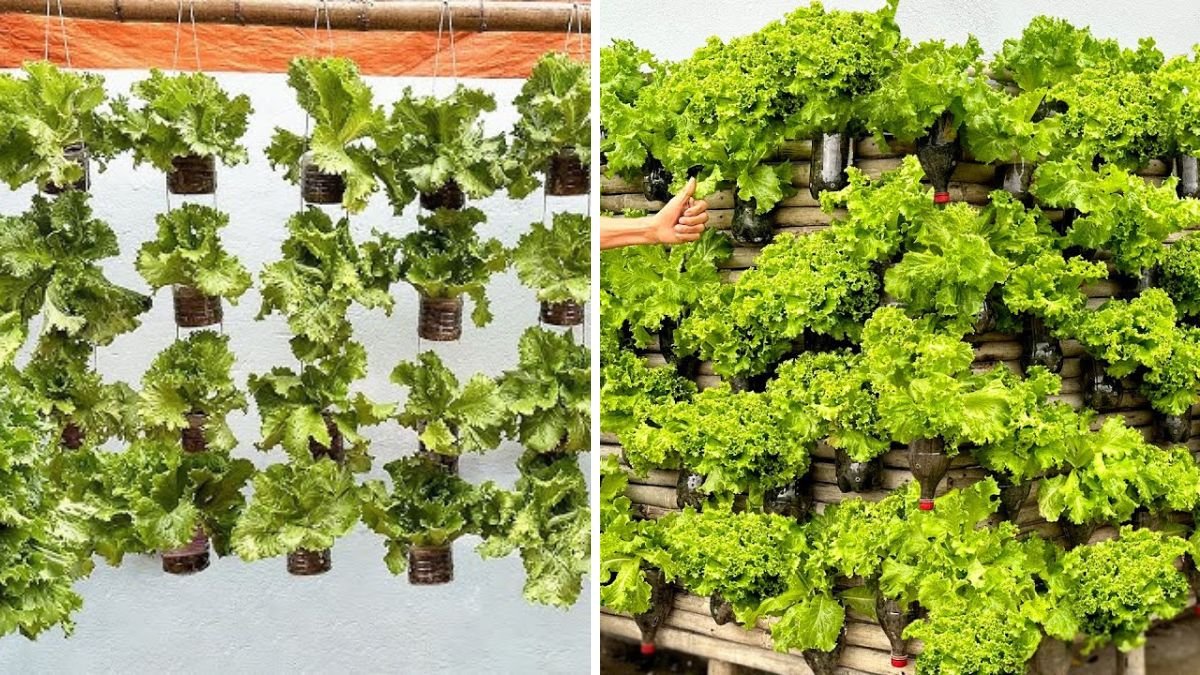
Imagine transforming ordinary waste into a thriving, heart-felt vegetable garden — where old bottles, tins, and containers become planters, colorful art, and sources of fresh vegetables. What starts as a creative DIY project quickly turns into a sustainable garden full of life, surprises, and satisfaction.
Across the globe, gardeners are embracing the idea of repurposing everyday items to create edible landscapes. From small urban balconies to rooftop terraces, recycled vegetable gardens combine sustainability, cost-effectiveness, and creativity. Not only do they reduce environmental waste, but they also offer a way to grow nutritious food in limited spaces. (womanandhome.com)
Why a Recycled Garden Works
Eco-Friendly and Sustainable
Plastic waste, tin cans, and discarded containers pose a major environmental challenge. By turning these items into planters, gardeners can repurpose waste while cultivating edible plants. Recycled gardens reflect a growing global trend toward sustainability, encouraging mindful consumption and reducing landfill contributions.
Budget-Friendly Gardening
Traditional gardening can be costly, with expenses for pots, soil, and equipment. Recycled gardens, on the other hand, require minimal investment. Collecting household items like bottles, yogurt cups, or old buckets can create a functional garden without spending much. This approach makes gardening accessible to beginners, students, and families on a budget. (idealhome.co.uk)
Maximizes Small Spaces
Recycled planters are ideal for small urban spaces. Vertical arrangements using bottles, hanging containers, or stacked boxes allow gardeners to maximize space. Even a narrow balcony can host a thriving vegetable garden with herbs, leafy greens, and small vegetables.
Creative Expression
A recycled garden is not just functional; it’s a canvas for creativity. Gardeners can arrange containers in heart shapes, spirals, or mosaics, creating a visually striking space that doubles as art.
The Heart of a Recycle Vegetable Garden
At its core, a recycled vegetable garden embodies the principle: waste isn’t waste until we waste it. By using discarded materials thoughtfully, gardeners give life to objects that would otherwise be thrown away.
The heart of such a garden is both symbolic and literal — it represents care for the environment and love for growing food. Even urban dwellers with minimal outdoor space can build meaningful gardens using recycled items, creating a sense of achievement and purpose. (organicmandya.com)
The Surprise When Your Garden Transforms
One of the most delightful aspects of a recycled garden is the transformation. What begins as a collection of bottles, cans, and containers quickly becomes a lush tapestry of life.
What Often Surprises Gardeners:
- Unexpected Harvests: Even the simplest containers can produce robust vegetables, herbs, and edible flowers. (devarajamarket.com)
- Functional Art: Hanging bottle gardens, painted tin planters, and spiraling arrangements double as art and practical growing spaces.
- Community Inspiration: In areas like Mandya, India, creative recycled gardens have inspired neighbors and schools to embrace urban organic farming. (organicmandya.com)
The transformation is not only visual; it fosters a sense of purpose and joy, as gardeners witness new life emerge from discarded items.
How to Build Your Own Recycled Vegetable Garden
Creating a recycled garden is simple, and the process can be tailored to your space, materials, and preferences.
Step 1: Collect Materials
Look for plastic bottles, tin cans, yogurt cups, coconut shells, old buckets, and even broken furniture. Almost anything that can hold soil is a potential planter. (moowy.co.uk)
Step 2: Prepare Containers
Clean each container thoroughly. Punch holes for drainage if necessary, and arrange containers for your preferred garden layout — vertical walls, terraces, or horizontal rows.
Step 3: Add Soil and Compost
Use nutrient-rich soil mixed with compost. Kitchen scraps, dry leaves, and biodegradable waste can be composted to enrich your soil, ensuring healthy growth. (idyl.co.in)
Step 4: Choose Plants
Select plants suitable for container gardening:
- Leafy greens: Lettuce, spinach, arugula
- Herbs: Basil, coriander, mint
- Small vegetables: Dwarf tomatoes, chili peppers, cabbage
- Bulbs: Garlic and onions
These plants grow well in limited soil and are beginner-friendly.
Step 5: Watering and Care
Use water-saving techniques such as drip irrigation or self-watering setups. Mulching and rainwater harvesting reduce water use while keeping soil moist. Monitor plants regularly, prune when necessary, and rotate containers for even sunlight exposure.
Creative Ideas That Bring Your Garden to Life
Vertical Bottle Gardens
Attach plastic bottles horizontally or vertically to walls, railings, or trellises. Herbs, lettuce, and small vegetables thrive in these arrangements, maximizing limited space. (devarajamarket.com)
Garden Art from Waste
Turn bottle caps, tin lids, and painted containers into mosaics or wind decorations. Combining aesthetics with functionality, your garden becomes an engaging and inspiring space.
Multi-Purpose Containers
Old furniture, cartons, and buckets can be converted into planters, seed trays, or even compost bins, offering both creativity and practicality. (moowy.co.uk)
Coconut Shell Seedlings
Natural materials like coconut shells provide biodegradable seedling pots, perfect for transplanting later. They also add charm and a natural aesthetic to your garden.
Real-World Inspiration
Across the globe, recycled vegetable gardens have transformed urban and suburban spaces:
- In Mandya, India, a homemaker’s recycled terrace garden inspired a local movement, teaching neighbors and schools about sustainable, urban organic farming. (organicmandya.com)
- Urban dwellers worldwide use upcycled containers to grow herbs and vegetables on rooftops and balconies, demonstrating that small spaces can be highly productive. (newsbytesapp.com)
- Sustainable gardening enthusiasts encourage repurposing household waste, like yogurt cups and old plastics, as seed starters and mini greenhouses.
These examples prove that creative, recycled gardens are not only environmentally friendly but also deeply rewarding.
Expert Sources for Guidance
For further inspiration and step-by-step guidance, check these authoritative sources:
- MOOWY – Reusing & Recycled Materials in the Garden (moowy.co.uk)
- Organic Mandya Recycled Terrace Garden (organicmandya.com)
- Plantisima – Unique Garden Ideas from Recycled Materials (plantisima.com)
- NewsBytes – DIY Plastic Bottle Planters (newsbytesapp.com)
These resources provide practical tips, sustainable gardening strategies, and inspiration for creative projects.
Conclusion
A super creative, recycled vegetable garden is more than just a method to grow food — it’s a journey of creativity, sustainability, and surprise. From discarded bottles to lush green harvests, the transformation delights gardeners at every stage.
Whether you have a balcony, rooftop, or backyard, recycled gardening proves that even the smallest and most ordinary materials can produce extraordinary results. With care, creativity, and commitment, you can build a garden that is beautiful, productive, and environmentally responsible.
The surprise is not just in the harvest, but in the joy, satisfaction, and inspiration that comes from watching a recycled heart garden flourish — a reminder that even the simplest materials, when handled with care, can bring life, nourishment, and happiness.