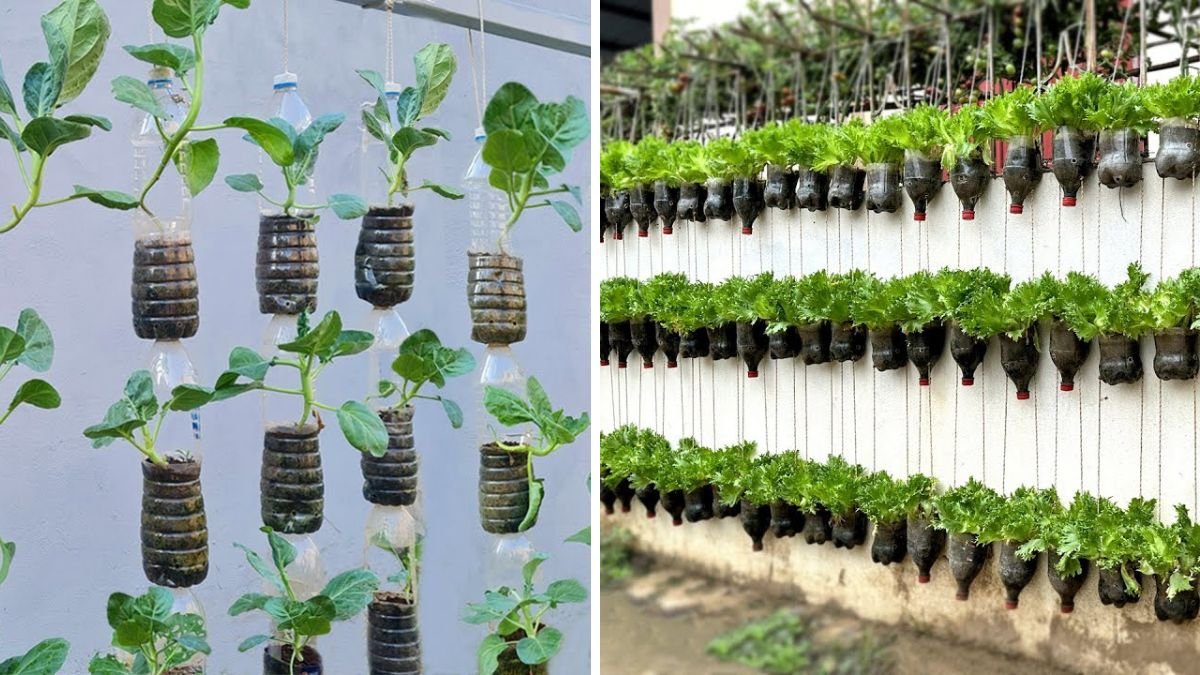
In today’s urbanized world, where space is limited and plastic pollution is a growing environmental challenge, creative solutions are emerging that allow people to grow their own vegetables without a traditional garden. One of the most innovative approaches involves repurposing plastic bottles to grow food. These everyday containers are transforming how urban dwellers, small-space gardeners, and sustainability enthusiasts cultivate vegetables. [FOCUS KEYWORD] are not only practical but also offer an eco-friendly alternative to conventional gardening practices.
This article explores the latest trends in plastic bottle gardening, offering creative ideas, practical tips, and insights into why this approach is gaining global attention.
The Rise of Plastic Bottle Gardening
Plastic waste is one of the most pressing environmental issues worldwide. Millions of tons of plastic bottles end up in landfills, oceans, and other ecosystems every year, causing significant ecological damage. Simultaneously, urban areas are becoming increasingly dense, and many people lack access to traditional garden spaces. These two challenges have converged to inspire a unique solution: using discarded plastic bottles to grow vegetables.
By repurposing bottles as planters, vertical gardens, self-watering systems, and micro-greenhouses, individuals can grow their own food while reducing plastic waste. This approach is gaining popularity because it is low-cost, accessible, and highly adaptable to various living environments, from small apartments to rooftop terraces.
Why Plastic Bottle Gardening Works
Plastic bottles offer several practical advantages for vegetable cultivation:
- Cost-Effective: Bottles are free or inexpensive, making gardening accessible to anyone.
- Space-Saving: Vertical and hanging systems allow plants to grow in small or unconventional spaces.
- Water Efficiency: Self-watering bottle systems reduce the need for frequent irrigation.
- Versatility: Bottles can be adapted to grow a variety of vegetables, herbs, and seedlings.
- Environmental Impact: Repurposing plastic bottles reduces waste and encourages sustainability.
With these benefits, it is easy to see why [FOCUS KEYWORD] are transforming urban and small-space gardening.
Creative Plastic Bottle Gardening Ideas
1. Vertical Bottle Gardens
Vertical gardens made from plastic bottles are among the most popular innovations. By cutting openings in two-liter bottles, filling them with soil, and hanging them in rows, gardeners can grow leafy greens, herbs, and small vegetables efficiently. Vertical bottle gardens are particularly useful for balconies, fences, and small patios, transforming even limited spaces into productive green areas.
Benefits:
- Maximizes vertical space
- Ideal for urban environments
- Produces food and enhances visual appeal
2. Horizontal Bottle Planters
Another option is horizontal bottle planters, where bottles are laid flat with a wide opening cut into the side. These planters can be mounted on walls, fences, or balcony rails, creating trough-like beds suitable for herbs and compact vegetables. Horizontal planters allow multiple plants to grow in one container while remaining easy to maintain.
Benefits:
- Flexible design fits a range of spaces
- Easy to water and harvest
- Supports multiple plants per bottle
3. Self-Watering Bottle Systems
Self-watering bottle planters are an innovative adaptation for busy gardeners or beginners. By inverting the top of one bottle into another and using a wick, water is slowly drawn into the soil. This ensures consistent moisture and reduces the need for frequent irrigation, which is especially useful in dry or urban environments.
Benefits:
- Conserves water
- Reduces maintenance
- Supports healthy, consistent plant growth
4. Mini Greenhouses and Seed Starters
Plastic bottles can also be used as mini-greenhouses for seedlings. By cutting the bottom off a bottle and placing it over a young plant, gardeners create a warm, moist micro-environment that encourages strong root and shoot growth. This technique protects seedlings from pests, cold, and wind while boosting germination success.
Benefits:
- Protects seedlings from adverse weather
- Speeds up early growth
- Increases chances of survival for delicate plants
5. Hanging Herb Towers
Small plastic bottles are perfect for creating hanging herb towers. Herbs such as basil, coriander, parsley, and mint can be grown in bottles suspended from ropes or balcony rails. This approach is both decorative and functional, providing fresh herbs at arm’s reach for cooking.
Benefits:
- Adds greenery to small spaces
- Convenient for kitchen gardening
- Easy to maintain and harvest
Step-by-Step Tips for Successful Bottle Gardening
To maximize productivity when growing vegetables in plastic bottles, follow these practical guidelines:
- Select the Right Bottles: Choose bottles that are sturdy, transparent or semi-transparent, and free from harmful residues.
- Prepare Proper Drainage: Drill small holes in the bottom to prevent waterlogging.
- Use Quality Soil: A good mix of garden soil, compost, and organic matter provides nutrients and retains moisture.
- Choose Suitable Plants: Leafy greens, herbs, cherry tomatoes, peppers, and small root vegetables thrive in bottles.
- Position for Sunlight: Ensure vertical and horizontal planters receive at least 4–6 hours of sunlight daily.
- Monitor Watering: Self-watering systems help, but regular checks ensure plants do not dry out.
- Rotate Bottles Periodically: To prevent plastic leaching and extend bottle life, replace or rotate bottles every season.
- Prune and Harvest Regularly: Maintain airflow and plant health by trimming and harvesting consistently.
Advantages of Plastic Bottle Gardening
Plastic bottle gardening is more than a novelty—it provides several practical and social benefits:
- Accessibility: Anyone can start a garden regardless of space limitations.
- Sustainability: Reduces plastic waste and encourages recycling practices.
- Cost Savings: Reduces grocery expenses by producing fresh vegetables at home.
- Urban Greening: Enhances aesthetic appeal and contributes to air quality.
- Education and Community Engagement: Schools and community groups use bottle gardening to teach sustainability and healthy eating.
Global Examples and Community Initiatives
Communities worldwide are adopting bottle gardening methods. In India, urban gardeners are creating vertical bottle gardens on balconies and rooftops, inspiring residents to grow food sustainably. Latin American cities have implemented public vertical gardens using recycled bottles to grow vegetables, demonstrating how simple tools can transform urban agriculture.
These initiatives highlight the adaptability and impact of [FOCUS KEYWORD], showcasing how small-scale innovation can address environmental, social, and food security challenges simultaneously.
Challenges and Considerations
While bottle gardening is effective, some concerns must be addressed:
- Plastic Safety: Over time, some plastics may leach chemicals into the soil. To minimize risk, replace bottles periodically and avoid using bottles that previously contained toxic substances.
- Limited Growth Space: Bottles are best for small plants. Larger vegetables like squash or corn require more space.
- Maintenance: Regular watering, pruning, and soil replenishment are necessary for healthy plants.
Despite these considerations, careful planning ensures a safe and productive garden.
Authoritative Sources for Further Reading
For more detailed guides and inspiration, consult these reliable sources:
- The Better India – Vertical Gardens Using Plastic Bottles: Offers step-by-step instructions and examples. (thebetterindia.com)
- Devaraja Market – Amazing Garden Art From Recycled Plastic: Creative ideas for home gardening with bottles. (devarajamarket.com)
- Packnode – Reusing Plastic Packaging for Gardening: Explains sustainability benefits of plastic reuse. (packnode.org)
- GardenGuides – Reuse Plastic Household Bottles for Gardening: Practical tips and safety considerations. (gardenguides.com)
Conclusion
[FOCUS KEYWORD] are transforming the way people grow vegetables, making gardening accessible, affordable, and eco-friendly. By repurposing plastic bottles, anyone can cultivate herbs, leafy greens, and small vegetables at home — even without a traditional garden. This approach not only promotes sustainable practices but also empowers urban dwellers to engage in food production, reduce waste, and enjoy fresh, homegrown produce.
With creativity, proper care, and sustainable practices, plastic bottle gardening proves that even the simplest household items can have a big impact on food security, urban greening, and environmental stewardship.