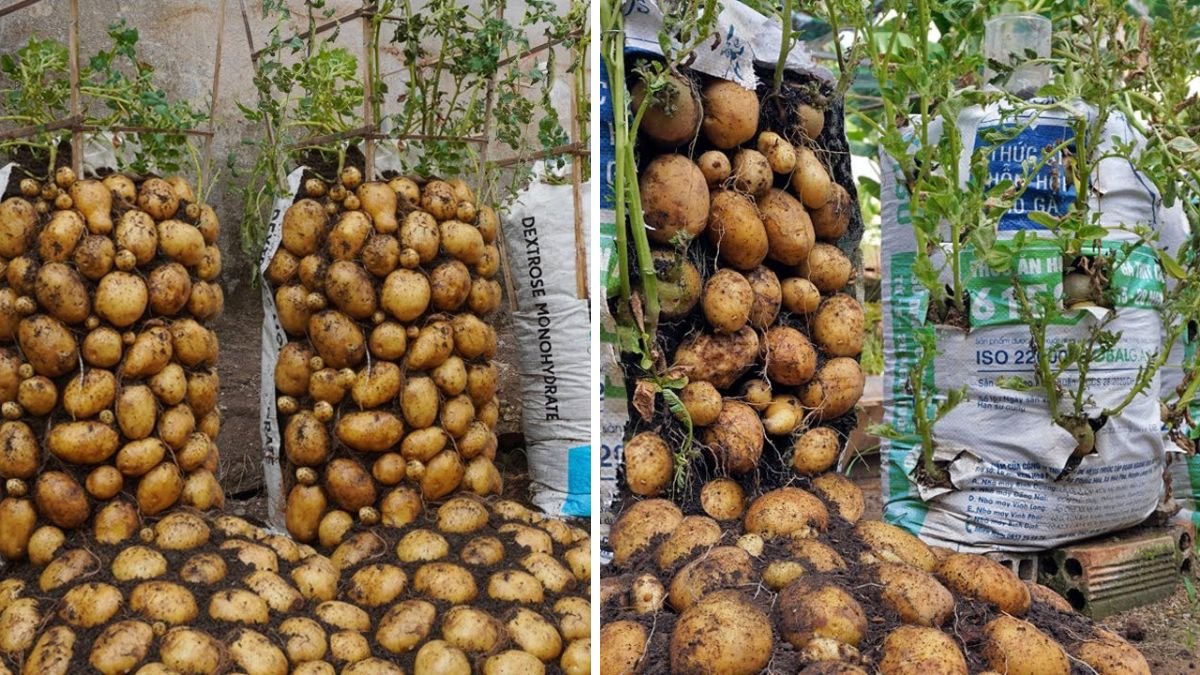
Potatoes are one of the most widely consumed vegetables worldwide, a staple in kitchens and meals across cultures. While many people rely on stores for their weekly supply, the idea of growing your own potatoes at home is gaining popularity. With the right techniques and knowledge, it is possible to grow potatoes efficiently in small spaces, ensuring a constant supply and reducing dependence on store-bought produce. [FOCUS KEYWORD] are empowering home gardeners to take control of their potato production, making it feasible to enjoy fresh, homegrown potatoes year-round.
From traditional container gardening to advanced soil-less systems, this article explores practical, proven methods to grow potatoes at home and highlights why this approach is increasingly relevant in 2026.
Why Grow Your Own Potatoes?
Growing your own potatoes offers numerous benefits beyond cost savings. Homegrown potatoes are fresher, often more flavorful, and you can choose varieties not commonly available in stores. Moreover, advances in agricultural techniques and seed technology now allow gardeners to grow potatoes successfully, even without access to traditional farmland.
Recent research highlights innovative methods that allow potatoes to thrive in limited spaces. For example, Russian researchers have developed techniques enabling potatoes to be grown indoors, while hybrid potato seeds now allow gardeners to propagate potatoes without relying solely on tubers. (themoscowtimes.com) (kilimonews.co.ke)
These advancements make potato cultivation accessible, even in urban settings or small gardens.
Step-by-Step Potato Growing Techniques
1. Traditional Container Gardening
For beginners or urban gardeners, containers or grow bags are a practical way to grow potatoes. This method requires:
- Seed selection: Choose certified seed tubers or sprouted potatoes to avoid disease.
- Soil preparation: Use nutrient-rich, well-draining soil or compost.
- Planting depth: Plant potatoes 10–15 cm deep, ensuring “eyes” face upward.
- Hilling: As shoots grow, add more soil or compost around them to encourage tuber production.
Grow bags, buckets, or large pots are ideal for small patios or balconies, providing flexibility for home gardeners. (en.wikipedia.org)
2. No-Dig and Mulch-Based Gardening
A no-dig method is perfect for those who want minimal maintenance. In this system:
- Lay a thick layer of organic mulch or compost over prepared soil.
- Place seed potatoes or sprouted tubers on top.
- Cover lightly and let the mulch nourish and protect the potatoes.
This approach reduces weed growth, conserves soil moisture, and lowers effort while producing excellent yields.
3. Aeroponics and Soil-Less Systems
Soil-less or aeroponic systems are becoming more accessible to home gardeners. In an aeroponic setup, potato roots are suspended in air and misted with a nutrient solution. Advantages include:
- Reduced risk of soil-borne diseases.
- Faster growth and higher yields.
- Minimal space requirements.
In India, aeroponic centers are producing high-quality potato “seeds” through this method, demonstrating how technology can improve home and small-scale cultivation. (timesofindia.indiatimes.com)
4. Hybrid Potato Seeds
Traditionally, potatoes are grown from tubers, but hybrid potato seeds offer a modern alternative. These seeds produce plants with improved disease resistance, uniform growth, and adaptability to varying climates. Using hybrid seeds reduces reliance on tuber stocks and can significantly improve yields in both home and commercial settings. (kilimonews.co.ke)
Tips for Successful Home Potato Cultivation
To maximize potato production using [FOCUS KEYWORD], consider the following guidelines:
- Select the right variety: Choose early or mid-season varieties suited for containers or small plots.
- Use nutrient-rich soil: Mix compost and organic matter with garden soil for optimal growth.
- Provide consistent water: Keep soil moist but avoid waterlogging.
- Manage pests: Monitor for aphids, potato beetles, and blight, and act early.
- Harvest carefully: Potatoes are ready when foliage dies back, typically 70–120 days after planting.
- Rotate and replenish: To maintain soil health, rotate your potato crops and refresh soil or compost each season.
Why This Trend is Important
Growing potatoes at home aligns with broader trends in sustainability, food security, and self-sufficiency. With global supply chain disruptions and rising food prices, producing your own potatoes ensures reliable access to a nutritious staple.
Additionally, techniques like aeroponics and hybrid seeds exemplify the future of home gardening, where technology and innovation meet everyday practice. Urban residents can grow high-quality crops without relying on farmland, while hobbyists gain independence from commercial markets.
Community and Global Innovations
Globally, communities are adopting creative potato cultivation methods. Indigenous farmers in Peru are reviving native potato varieties, combining traditional knowledge with modern techniques. In Kenya and India, urban aeroponic centers are producing seed potatoes in limited space, proving that high-quality crops can thrive in urban environments.
Agricultural shows, such as the 2025 New York Produce Show, are highlighting innovations in potato production, from container cultivation to hybrid seed propagation. These initiatives demonstrate how home and community growers can integrate new technologies into practical systems. (perishablenews.com) (care.org)
Key Advantages of Homegrown Potatoes
- Freshness: Harvest potatoes at peak flavor.
- Cost-saving: Reduce grocery expenses by growing your own supply.
- Sustainability: Lower carbon footprint and promote local food production.
- Education: Encourage children and communities to learn about food cultivation.
- Variety: Access heirloom or hybrid varieties unavailable in stores.
Recommended Authoritative Sources
For more detailed information and guidance:
- Kilimo News: Hybrid true potato seeds in Kenya. (kilimonews.co.ke)
- Moscow Times: Indoor potato growing research. (themoscowtimes.com)
- GrowVeg: No-dig potato growing guide. (growveg.com)
- Times of India: Aeroponics potato seed production. (timesofindia.indiatimes.com)
- Wikipedia: Chitting preparation for potato planting. (en.wikipedia.org)
Conclusion: Potatoes at Your Fingertips
With the right knowledge, techniques, and [FOCUS KEYWORD], you can grow potatoes successfully at home and potentially never buy them again. Whether through containers, no-dig methods, aeroponics, or hybrid seeds, these approaches make potato cultivation accessible, even in urban settings or small spaces.
Homegrown potatoes provide freshness, flavor, and security, all while promoting sustainable gardening practices. By taking control of your potato production, you ensure a consistent, high-quality supply and gain the satisfaction of producing a staple food from your own hands.