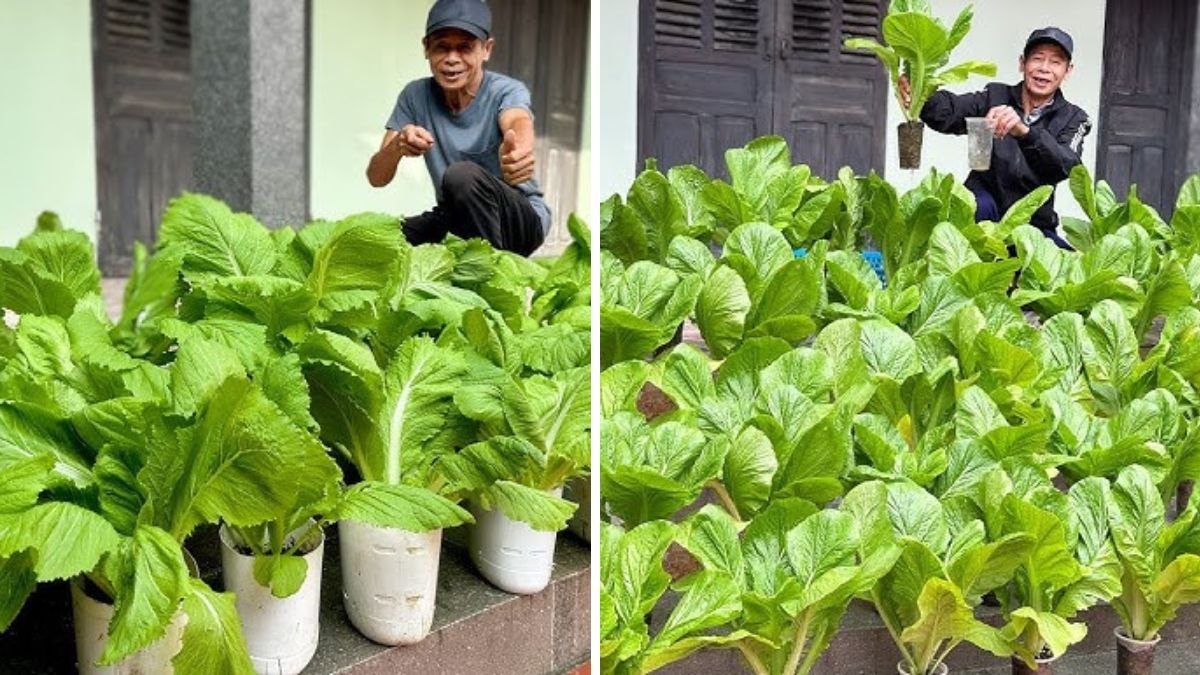
Growing your own vegetables is one of the most rewarding ways to improve your diet, save money, and live sustainably. But what if you don’t have a yard, land, or traditional garden space? For many urban dwellers and apartment residents, the lack of outdoor space can seem like a barrier to homegrown food. Thankfully, modern gardening innovations make it possible to produce fresh vegetables without soil or outdoor land, using smart indoor setups, container systems, hydroponics, and vertical gardening.
In this article, we’ll explore practical strategies to grow vegetables even when you have no land, no garden, and limited space, backed by expert advice and the latest trends in urban gardening.
Why Growing Vegetables Without Land Is Trending
Urbanization and rising grocery prices have led many people to seek alternative ways to grow food at home. Indoor gardening, hydroponics, and vertical systems are now mainstream because they allow people to produce nutritious food year-round, regardless of outdoor space.
Growing vegetables indoors or in compact setups has multiple advantages:
- Provides fresh, nutrient-rich produce at home.
- Saves money on groceries.
- Reduces environmental impact by lowering food transport needs.
- Offers therapeutic benefits and reduces stress.
- Allows year-round harvests, independent of weather or seasons.
These factors make garden-free vegetable cultivation both practical and appealing to modern urban residents. (creators.yahoo.com)
Container Gardening: Your First Step
One of the simplest ways to start growing vegetables without a garden is container gardening. Almost any space with sunlight can support pots, grow bags, or window boxes. This approach doesn’t require soil on the ground and is highly adaptable.
Best practices for container gardening:
- Use pots or bags with good drainage to prevent waterlogging.
- Fill containers with high-quality potting mix enriched with compost.
- Place containers in sunny areas—windowsills, balconies, or small patios.
- Choose vegetables that thrive in containers: lettuce, herbs, radishes, carrots, tomatoes, peppers, and leafy greens. (healthline.com)
Containers allow you to grow crops in small or vertical spaces, making them perfect for apartments or homes without land.
Hydroponics: Soil-Free Vegetable Gardening
Hydroponics is a soil-less growing method in which plants receive nutrients through water solutions. Hydroponics allows for compact, highly efficient indoor vegetable gardens.
Popular hydroponic methods include:
- Kratky method: Passive, no pumps or electricity needed; ideal for beginners. (en.wikipedia.org)
- Deep Water Culture (DWC): Roots dangle in oxygenated nutrient solutions.
- Drip systems: Nutrients drip slowly to each plant through tubing.
Hydroponics reduces water usage by up to 90% compared to traditional soil gardening and supports fast growth of vegetables like lettuce, spinach, kale, and herbs. These systems are perfect for urban growers seeking high yields with minimal maintenance. (jetfiretools.com)
Vertical Gardening: Maximizing Space
Vertical gardening is another smart approach when you lack land. By stacking or layering containers, you can grow vegetables upward instead of outward. Vertical systems are ideal for balconies, kitchens, and small rooms.
Crops that thrive in vertical systems include:
- Leafy greens like lettuce and spinach
- Herbs such as basil, parsley, and cilantro
- Small tomatoes and peppers
- Strawberries and compact vegetables
Vertical gardening can involve trellises, tiered shelving, or specialized vertical hydroponic towers. This method optimizes space and increases yield, making it easier to manage plants in tight areas. (gardenershornchurch.org.uk)
Grow Boxes: Controlled Indoor Systems
Grow boxes are enclosed indoor gardens that allow precise control over light, temperature, and humidity. They can range from simple DIY cabinets with LED lights to fully automated hydroponic chambers.
Benefits of grow boxes include:
- Protection from pests and adverse weather
- Optimized growth conditions year-round
- Compact footprint suitable for small apartments
- Reduced maintenance, aligning with a no-care-needed approach
Grow boxes are ideal for anyone looking to maintain a garden without any traditional soil or land.
Vegetables Best Suited for Garden-Free Growth
Some vegetables are better suited to container, hydroponic, or indoor vertical systems. Choosing the right crops ensures success:
- Leafy greens: Lettuce, spinach, kale
- Herbs: Basil, cilantro, parsley, mint
- Radishes and microgreens: Quick harvest, small footprint
- Cherry tomatoes and peppers: Thrive in pots and vertical systems
- Root vegetables in containers: Carrots, beets, and radishes
With these crops, you can achieve continuous harvests with minimal space and care. (happhygreenz.com)
Minimal Maintenance, Maximum Yield
The key to garden-free vegetable gardening is efficiency and simplicity:
- Use self-watering pots or hydroponic systems to reduce daily attention.
- Apply light feeding and composting rather than heavy fertilizers.
- Use LED grow lights to supplement sunlight if indoors.
- Succession plant in containers to ensure constant harvests.
These methods reduce manual labor while maximizing output — perfect for urban residents with busy schedules.
Benefits of Growing Vegetables Without Land
Growing vegetables without land provides several advantages:
- Fresh, nutritious produce at home
- Lower grocery costs
- Reduced water consumption
- Year-round harvests, independent of season
- Sustainable lifestyle choices
- Flexibility to grow food in any urban setting
These benefits make soil-less and land-free gardening a compelling solution for modern living. (reddit.com)
Latest Trends in Indoor Gardening
Some current trends shaping urban, land-free gardening include:
- Automated hydroponics: Sensors and smart lights optimize growth with minimal effort.
- Indoor micro-farms: Compact systems allow apartment residents to produce large yields in small spaces.
- DIY vertical gardens: People are building vertical racks and wall-mounted planters to save space.
- Sustainable hydroponics: Using recycled water and organic nutrients reduces environmental impact.
These trends make it easier than ever to grow vegetables efficiently without soil or traditional garden space.
Authoritative Sources to Bookmark
To deepen your knowledge and build a successful garden-free vegetable setup:
- Healthline – Growing food with limited space: Practical container gardening advice (healthline.com)
- Wikipedia – Hydroponics: Soil-less growing techniques (en.wikipedia.org)
- JetFireTools – Hydroponic Gardening at Home: Beginner-friendly indoor systems (jetfiretools.com)
- Vertical Gardening Insights: Maximize space for urban growing (gardenershornchurch.org.uk)
Including these resources in your blog can strengthen credibility, improve SEO, and provide readers with actionable insights.
Conclusion
Even without a yard, land, or traditional garden, it is entirely possible to grow fresh vegetables at home. Container gardening, hydroponics, vertical setups, and grow boxes allow anyone to cultivate nutrient-rich vegetables indoors. With minimal space, soil, and care, urban gardeners can enjoy a sustainable, cost-effective, and rewarding food-growing experience.
By following these strategies, you can transform your apartment, balcony, or small home into a productive food oasis. The garden-free revolution is here — and now, fresh vegetables are possible for everyone, regardless of land access.
Meta Description:
Learn how to grow fresh vegetables without garden space or land using smart indoor, container, hydroponic, and vertical gardening methods. Discover proven strategies, latest trends, and expert sources for sustainable food at home.