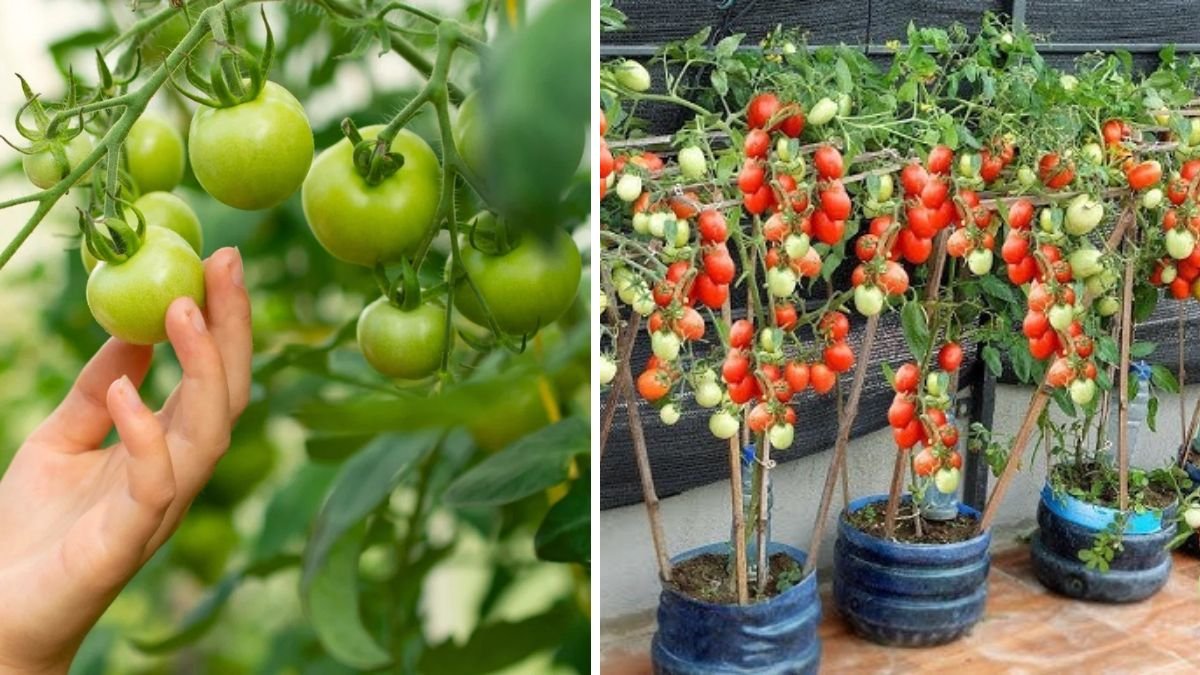
Tomatoes are one of the most rewarding crops for home gardeners. Sweet, juicy, and versatile, they are a staple in kitchens worldwide. Yet, many gardeners struggle to get a high yield, despite their best efforts. The good news is that with modern techniques — proper planting, support, pruning, watering, and organic fertilization — you can grow tomatoes that produce abundant fruit without complicated care or daily oversight. This guide shows you how to achieve maximum tomato yield with minimal effort.
Why Growing Tomatoes Doesn’t Have to Be Hard
Traditional tomato growing often conjures images of large garden plots, frequent weeding, and constant watering. However, recent gardening studies and practical experiences reveal that tomatoes can flourish with smart techniques that save time and effort. The secret is combining proper plant selection, sunlight, soil health, support structures, and minimal pruning to redirect the plant’s energy into producing more fruit rather than excessive foliage.
Even small spaces like balconies or container setups can yield impressive harvests when these strategies are applied. This makes high-yield tomato growing accessible for urban dwellers, apartment owners, and busy gardeners alike. (Navbharattimes)
Choose the Right Tomato Variety
Tomatoes generally fall into two main categories: determinate and indeterminate.
- Determinate varieties are bush-like, compact, and fruit all at once. They are ideal for gardeners seeking minimal maintenance, as they require less staking and pruning.
- Indeterminate varieties grow tall and continuously produce fruit throughout the season. They need support and selective pruning but reward gardeners with extended harvests.
For those looking for maximum yield with low effort, a mix of compact indeterminate varieties and determinate types often works best. This combination allows for continuous fruit production without overwhelming care requirements. (RealSimple)
Soil Preparation for Healthy Plants
Tomatoes thrive in nutrient-rich, well-drained soil with a slightly acidic to neutral pH (6.0–7.0). Healthy soil is the foundation for strong roots, vigorous growth, and abundant fruit.
Tips for optimal soil:
- Mix garden soil with compost or organic matter to improve fertility.
- Ensure proper drainage in beds or containers to prevent root rot.
- Use deep containers (12 inches or more) for potted tomatoes to allow root expansion.
Recent tips show that planting seedlings at the right depth and using large containers for pot cultivation encourages plants to grow strong, supporting a higher fruit load. (Navbharattimes)
Sunlight and Plant Spacing
Tomatoes are sun-loving plants requiring 6–8 hours of direct sunlight daily. Adequate spacing (2–2.5 feet between plants) ensures proper airflow, reduces disease, and improves fruit set. Proper sunlight exposure is critical, as insufficient light can result in fewer flowers and reduced yields.
Spacing and light also help keep leaves dry, preventing fungal issues that can compromise fruit production. (RealSimple)
Supporting Your Tomato Plants
Tomato vines, particularly indeterminate types, benefit greatly from support structures like stakes, cages, or trellises. Supporting the plant keeps fruits off the ground, improves air circulation, reduces disease, and allows the plant to direct energy toward fruit production instead of sprawling foliage.
Tips for supporting tomato plants:
- Use tomato cages or bamboo stakes.
- Tie vines gently with garden twine.
- For vertical growth, install trellises or netting for indeterminate varieties.
Proper support ensures healthier fruit, less rot, and easier harvesting, all without additional labor. (Almanac)
Pruning for Maximum Fruit
Pruning may seem optional, but selective pruning can significantly boost fruit production. Removing excess shoots, especially lower leaves and side suckers, improves air circulation and sunlight exposure, helping the plant focus energy on fruiting.
Pruning guidelines:
- Do not over-prune determinate varieties — they fruit on most branches.
- For indeterminate tomatoes, remove a few lower leaves and select side shoots to maintain size and airflow.
Proper pruning reduces disease risk and increases the number of flowers that develop into fruits. (AARP)
Consistent Watering and Mulching
Tomatoes need regular, deep watering. Uneven watering can cause fruit cracking or blossom-end rot. Drip irrigation or soaker hoses deliver water directly to the root zone while keeping foliage dry, reducing disease risk.
Mulching with straw, grass clippings, or compost helps retain soil moisture, regulate temperature, and suppress weeds. This simple practice improves fruit quality while minimizing maintenance. (AARP)
Pollination for Higher Yield
While tomato plants can self-pollinate, gentle shaking or tapping of flowers encourages better pollination, particularly in container or indoor setups. This simple action can improve fruit set and overall yield.
Fertilization and Nutrient Boost
Tomatoes are nutrient-hungry and benefit from balanced feeding:
- Incorporate compost at planting.
- Use calcium sources (eggshells or gypsum) to prevent blossom-end rot.
- Supplement with organic fertilizers like diluted kitchen compost or vermicompost.
Recent gardening advice suggests even kitchen-derived natural fertilizers, such as rice water or curd-based mixtures, can boost growth and fruiting when applied carefully. (Navbharattimes)
Organic Practices for Sustainable High Yield
Studies show that organic fertilizers, vermicompost, and compost applications can increase tomato yields by up to 45% compared to conventional synthetic methods. These practices maintain soil health and reduce chemical dependency while encouraging abundant fruit production. (LiveHindustan)
Container Gardening and Urban Solutions
Even without a garden, tomatoes can thrive in containers on balconies, terraces, or patios. Key steps:
- Use large pots with drainage.
- Provide support frames or cages.
- Ensure consistent watering.
- Place plants in a sunny location.
With these steps, urban gardeners can produce significant harvests from just a few containers, eliminating the need to buy tomatoes from stores. (NDTV)
Common Problems and Easy Fixes
- Cracked fruits: Usually caused by irregular watering. Maintain consistent moisture to prevent cracking.
- Blossom-end rot: Add calcium sources or adjust soil pH.
- Poor fruit set: Ensure adequate sunlight and gently shake flowers for pollination.
Simple, timely interventions can maintain a healthy crop and high yield. (KisanTak)
Real-Life Success Stories
- One gardener achieved 30 kg of tomatoes in containers by following proper planting, staking, neem oil sprays, and consistent watering. This method completely replaced their need to buy tomatoes from the market.
- Others report improved yields by selecting appropriate varieties, pruning strategically, and using organic fertilizers. (Navbharattimes)
Recommended Resources
- Old Farmer’s Almanac – Tomato Growing Secrets (almanac.com)
- AARP – Tomato Home Growing Advice (aarp.org)
- NDTV Lifestyle – Home Tomato Growing Tricks (ndtv.in)
- Gardening Know How – Increase Tomato Yield (gardeningknowhow.com)
Final Thoughts
Growing high-yield tomatoes doesn’t require complicated methods or excessive effort. By selecting the right variety, providing proper soil, sunlight, support, and minimal pruning, you can enjoy abundant, healthy, flavorful tomatoes all season long. With smart practices and organic techniques, even container and urban gardeners can achieve impressive results and reduce dependence on store-bought tomatoes.
Start small, follow these tips, and watch your tomatoes flourish — producing many fruits with minimal extra work. 🍅🌱