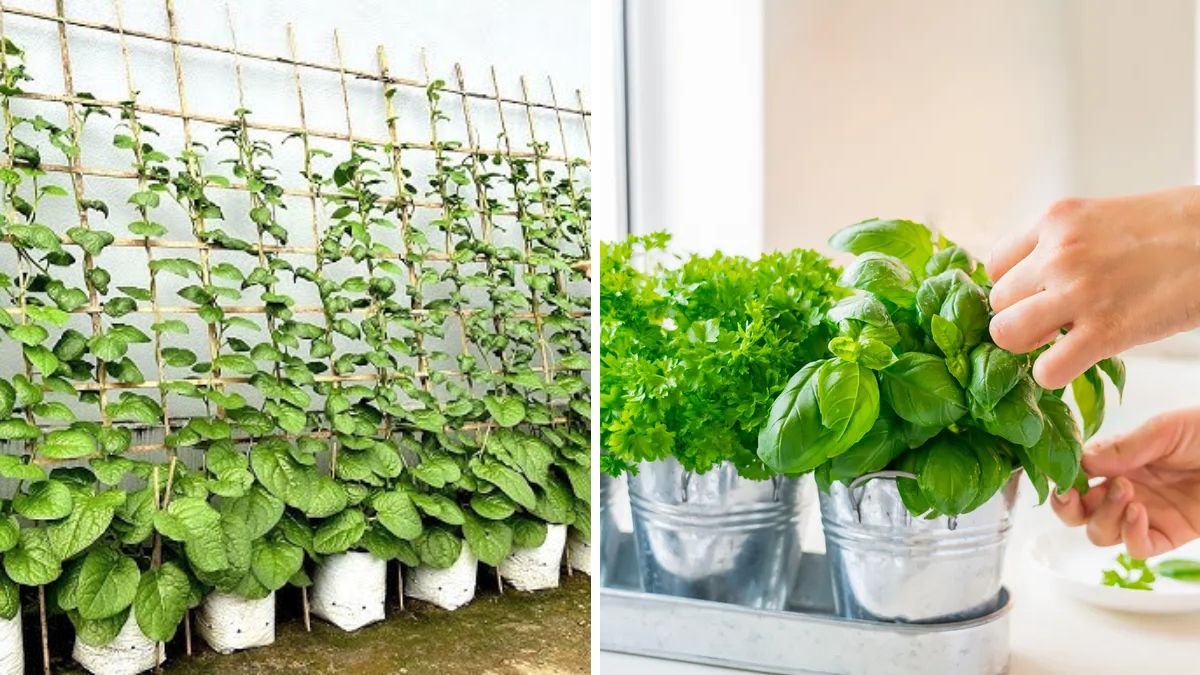
Many people assume that growing your own vegetables requires a large garden, daily maintenance, and plenty of experience. But that’s no longer true. With modern methods like container gardening, indoor planting, hydroponics, and low-maintenance crops, you can enjoy fresh, homegrown vegetables even if you live in an apartment or have limited space. This guide will show you how to grow vegetables without a garden, without constant care, and without buying them from stores.
Why You Don’t Need a Traditional Garden
Traditionally, a garden was considered essential for growing vegetables. But today’s innovative solutions make it possible to grow your own food anywhere — from a sunny windowsill to a small balcony. Container gardening, hydroponics, and indoor systems allow you to grow vegetables without soil, reduce maintenance, and maximize yield in limited space.
The benefits of these methods include:
- Accessibility for apartment dwellers or renters
- Reduced reliance on grocery shopping
- Less exposure to pesticides
- Fresh produce year-round
Even small spaces can yield satisfying results when you use the right techniques. (Thespruce.com)
Container Gardening: Grow Vegetables Anywhere
Container gardening is one of the easiest ways to grow vegetables without a traditional garden. Many vegetables thrive in pots or planters if given proper soil, light, and drainage.
Best Vegetables for Containers
- Leafy greens: lettuce, spinach, kale
- Herbs: basil, parsley, mint, coriander
- Fruiting vegetables: cherry tomatoes, peppers
- Root vegetables: radishes, carrots
- Compact varieties: dwarf eggplants or small squash
The key is to use pots that are large enough for root growth, high-quality potting mix, and a sunny spot. Container gardening is particularly useful for those with balconies, patios, or even kitchen countertops. (Foodandwine.com)
Indoor Vegetable Growing
If you don’t have any outdoor space, indoor growing is a practical alternative. A south-facing windowsill or bright corner is often enough for small vegetables and herbs. Indoor gardening allows year-round cultivation and reduces the risk of pests and weather-related problems.
Vegetables and herbs suited for indoor growing:
- Microgreens (arugula, radish, mustard)
- Lettuce and spinach
- Green onions
- Herbs like basil, cilantro, and mint
Microgreens are especially effective for indoor growing. They are quick to harvest, nutrient-rich, and take very little space, making them perfect for beginners or those with small apartments. (NBC News)
Hydroponics and Passive Water Systems
For those who want minimal maintenance, hydroponics is an excellent option. These systems grow plants directly in nutrient-rich water, eliminating the need for soil and constant weeding.
One popular low-maintenance approach is the Kratky method, which doesn’t require pumps, electricity, or daily watering. Simply set up your plants above a nutrient solution, and they grow largely on their own. This method is ideal for leafy greens, herbs, and small vegetables. (Wikipedia Kratky method)
Hydroponics is particularly useful for urban dwellers who want to grow fresh produce efficiently without heavy gardening tasks.
Choosing Low-Maintenance Vegetables
Selecting the right vegetables is key when you don’t want to invest much time in care. Some plants are naturally low-maintenance, fast-growing, and productive.
Recommended low-care crops:
- Leafy greens: lettuce, spinach, kale
- Herbs: basil, parsley, mint
- Cherry tomatoes: compact, prolific
- Peppers and chillies: grow well in containers
- Beans and peas: train vertically to save space
Starting small with a few plants allows you to learn and expand gradually, ensuring success without overwhelming your schedule. (Idealhome.co.uk)
Minimal Care Strategies
Even minimal-maintenance vegetables need some basic attention. Here are essential tips to reduce effort while maximizing yield:
- Use quality potting mix: Good soil retains water and nutrients.
- Water wisely: Check soil regularly; water when the top inch is dry.
- Provide sufficient light: Match your plants’ requirements to available sunlight. Leafy greens can do well with partial light, while fruiting vegetables need more intense sunlight.
- Use vertical space: For vines like beans or tomatoes, trellising saves space and improves airflow.
By setting up these simple conditions, plants can thrive with minimal intervention. (Thespruce.com)
Automated Indoor Gardening
For busy lifestyles, automated indoor gardens offer hands-off growing. These systems include self-watering pots, grow lights, and sensors that manage water and nutrients. Once set up, they require very little daily care and can produce consistent yields of vegetables and herbs.
Examples include countertop hydroponic systems like Aerogarden, which allow you to grow herbs, lettuce, and small vegetables year-round with minimal effort. (NBC News)
Benefits of No-Garden Vegetable Growing
Even if you don’t have outdoor space, these methods provide significant advantages:
- Fresh, homegrown vegetables at your fingertips
- Reduced grocery bills and waste
- Year-round cultivation
- Educational and fun for families and children
- Less exposure to pesticides and chemicals
Small-scale indoor or container gardening can provide enough produce to supplement your meals and encourage a healthier lifestyle. (Foodandwine.com)
Authoritative Sources
For further guidance, explore these trusted resources:
- The Spruce – Perennial Vegetables: Tips for easy-to-maintain crops. (thespruce.com)
- NBC News – Aerogarden Review: Automated indoor gardening insights. (nbcnews.com)
- Food & Wine – Indoor Growing Tips: Step-by-step indoor vegetable strategies. (foodandwine.com)
- Ideal Home – Low-Maintenance Gardening: Techniques to minimize watering, pests, and weeding. (idealhome.co.uk)
These sources provide reliable, tested advice for anyone wanting to grow vegetables efficiently without a traditional garden.
Final Thoughts
You don’t need a backyard or heavy gardening skills to enjoy fresh vegetables at home. With container gardening, indoor planting, hydroponics, and minimal-care plant choices, anyone can enjoy homegrown food. These methods save time, reduce shopping costs, and offer a sustainable way to eat fresh.
Start small, pick the right vegetables, and set up a simple watering and light system. Soon, you’ll have a thriving supply of fresh, homegrown produce without needing a garden, daily care, or supermarket trips. 🌱🍅🥬