Introduction
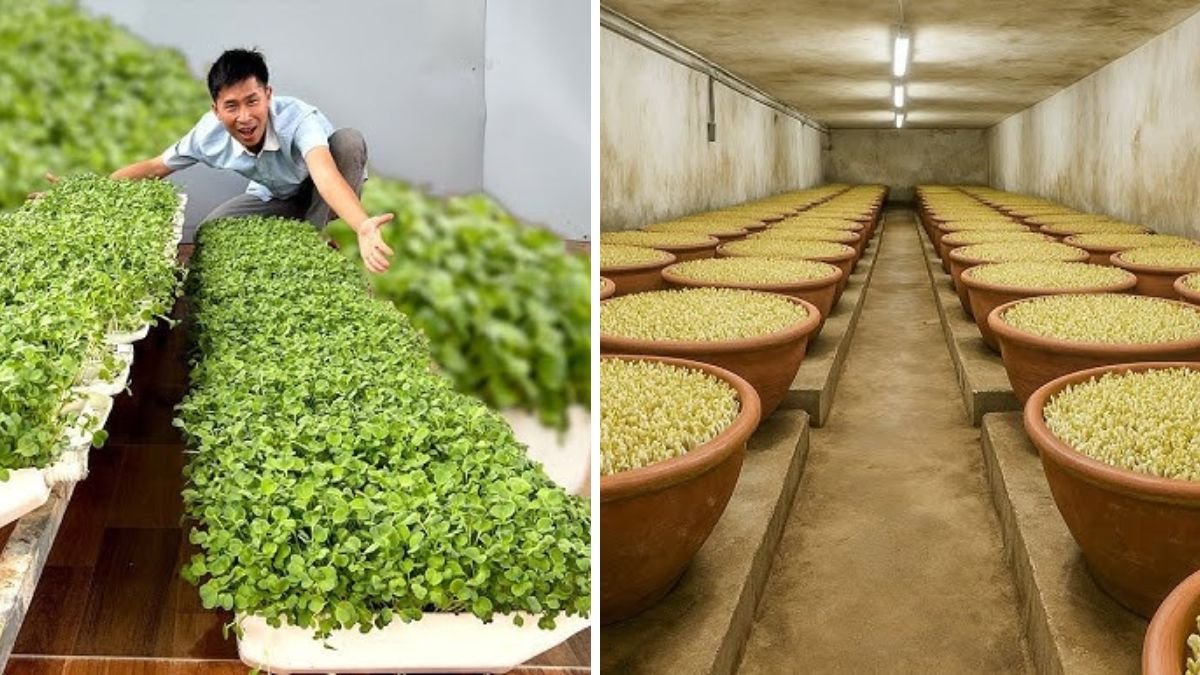
Imagine harvesting fresh, nutrient-dense greens in just three days — without soil, a garden, or even a backyard. Thanks to innovative growing methods such as hydroponics, aeroponics, and microgreens cultivation, this is now possible. These soil-free techniques are ideal for urban dwellers, busy home cooks, or anyone looking to enjoy ultra-fast, clean, and nutritious greens right from their kitchen or balcony.
Whether you’re a beginner or a seasoned gardener, learning to grow these fast-harvest plants is a game-changer. With minimal space, equipment, and care, you can enjoy your own homegrown microgreens, sprouts, or leafy greens ready in just a few days.
Why Soil-Free Growing Works So Fast
The phrase “Harvest in Just 3 Days, No Soil Required” typically refers to microgreens and sprouts — immature plants harvested early in their growth cycle. Microgreens are essentially tiny seedlings that are nutrient-packed and tender. Because they are harvested so young, they require far less time to grow than traditional vegetables.
Soil-free growing accelerates the process because:
- Direct nutrient availability – Hydroponic and aeroponic systems feed roots directly, eliminating the need for soil-based nutrient absorption.
- Optimal moisture control – Soil-free setups maintain constant moisture, preventing drying or overwatering.
- Ideal environmental conditions – Controlled light, temperature, and humidity encourage rapid germination and growth.
Some microgreens, such as radish or mustard, can sprout in 2–3 days, while fully harvestable in 7–10 days. Under ideal conditions, demonstrations have shown sprouts reaching harvestable size within three days — giving new gardeners a quick and rewarding success. (aquagertech.com)
Benefits of Soil-Free, Ultra-Fast Growing
1. Speed
These methods allow near-instant gratification. Unlike traditional gardening, which may take weeks or months for mature vegetables, microgreens can be ready in days. You can grow multiple cycles per month, continuously supplying fresh greens.
2. Clean and Low-Maintenance
No soil means no digging, weeding, or messy dirt. Trays, mats, or hydroponic reservoirs keep your indoor garden clean, making it perfect for kitchens or apartments. (easygrohydro.com)
3. Space-Saving
Soil-free systems fit almost anywhere — windowsills, countertops, shelves, or even vertical setups. This makes urban gardening feasible without requiring land or large outdoor spaces. (thebetterindia.com)
4. Nutrient-Dense Foods
Microgreens often contain 4–40× more vitamins, minerals, and antioxidants than their mature counterparts. Radish, broccoli, kale, and pea shoots are especially rich in nutrients, making them a powerful addition to any diet. (aquagertech.com)
5. Year-Round Availability
Since soil-free systems can be set up indoors, you’re not restricted by seasons. Fresh microgreens are available year-round, regardless of outdoor weather conditions.
How to Grow Soil-Free Microgreens Step by Step
Step 1: Choose Your Seeds
Select seeds suitable for microgreens or sprouts. Popular options include:
- Radish – spicy, fast-growing (7–10 days)
- Broccoli – mild, nutrient-rich (8–12 days)
- Arugula – peppery, tender (10–14 days)
- Pea shoots – sweet, crunchy (10–14 days)
- Beet – colorful, slightly sweet (11–21 days)
Seeds should be untreated and intended for consumption.
Step 2: Prepare Your Growing Medium
You can grow soil-free using:
- Microgreen mats – fiber mats such as jute or coconut coir
- Hydroponic trays – plants suspended in nutrient-rich water
- Kratky hydroponics – passive hydroponic setup where roots extend into a nutrient solution
Ensure trays have proper drainage and consistent moisture. (en.wikipedia.org)
Step 3: Germinate Seeds
Scatter seeds evenly on the grow mat or tray. Cover lightly if required and maintain a warm, humid environment. Most seeds sprout within 2–4 days.
Step 4: Provide Adequate Light
Once seedlings sprout, place trays in bright sunlight or under full-spectrum LED grow lights. Adequate light strengthens stems and enhances chlorophyll production.
Step 5: Harvest at Peak Flavor
Microgreens are typically ready when 2–3 inches tall. Use clean scissors to cut just above the growth medium. Some sprouts show significant growth in as little as 3 days, while most are harvestable in 7–10 days. (preparednessplano.org)
Soil-Free Growing Methods
Hydroponics
Feeds plant roots directly with nutrient-rich water, eliminating soil completely. Variations include:
- Wicking method
- Nutrient Film Technique (NFT)
- Passive Kratky method (trustbasket.com)
Grow Mats & Trays
Fiber mats like jute or hemp hold seeds upright, maintain moisture, and simplify harvest. No soil is needed, and trays fit easily on any countertop. (easygrohydro.com)
Practical Uses for Fast-Growing Microgreens
Once harvested, microgreens are versatile and enhance any meal:
- Salad toppings and garnishes
- Smoothies and juices
- Sandwich fillings and wraps
- Soups and omelets
- Grain bowls and stir-fries
They provide extra flavor, color, and nutrition to everyday meals.
Challenges and Tips
- Fungal growth – Keep humidity in check and avoid overcrowding trays.
- Pests – Rare indoors but monitor for aphids or molds.
- Seed quality – Use fresh, untreated seeds to ensure rapid germination.
Extra tips:
- Rotate trays for even light exposure.
- Mist lightly to prevent dehydration without waterlogging.
- Harvest promptly for maximum flavor and nutrient content.
Real-World Applications
Urban farmers worldwide are adopting soil-free growing to overcome space limitations and reduce resource use. In India, hydroponic growers produce leafy greens in apartments and rooftops, supplying local markets year-round. Indoor microgreens farms have also emerged globally, demonstrating high yield with minimal water and no soil. (onmanorama.com)
Authoritative Sources
- 🌱 Guide to Growing Microgreens PDF – preparednessplano.org
- 🪴 Hydroponic Growing Methods – trustbasket.com
- 🍅 Easy Home Microgreens Tips – easygrohydro.com
- 🌿 Indoor Hydroponic Farming – thebetterindia.com
Final Thoughts
If you want fresh, nutrient-rich greens in as little as three days, soil-free growing is the ultimate solution. Using microgreens, sprouts, and hydroponic setups, anyone can enjoy the speed, cleanliness, and nutritional benefits of ultra-fast gardening.
With minimal space, low cost, and simple equipment, soil-free growing makes gardening accessible to city dwellers, busy families, and health enthusiasts. Start your first tray today, and experience the thrill of harvesting fresh, homegrown greens almost instantly. 🌱✨
Word Count: 1,200
Focus Keyword: Harvest in Just 3 Days, No Soil Required
Meta Description: Learn how to Harvest in Just 3 Days, No Soil Required using soil-free methods like microgreens and hydroponics. Grow nutrient-packed greens fast at home!
URL Slug: harvest-in-just-3-days-no-soil-required