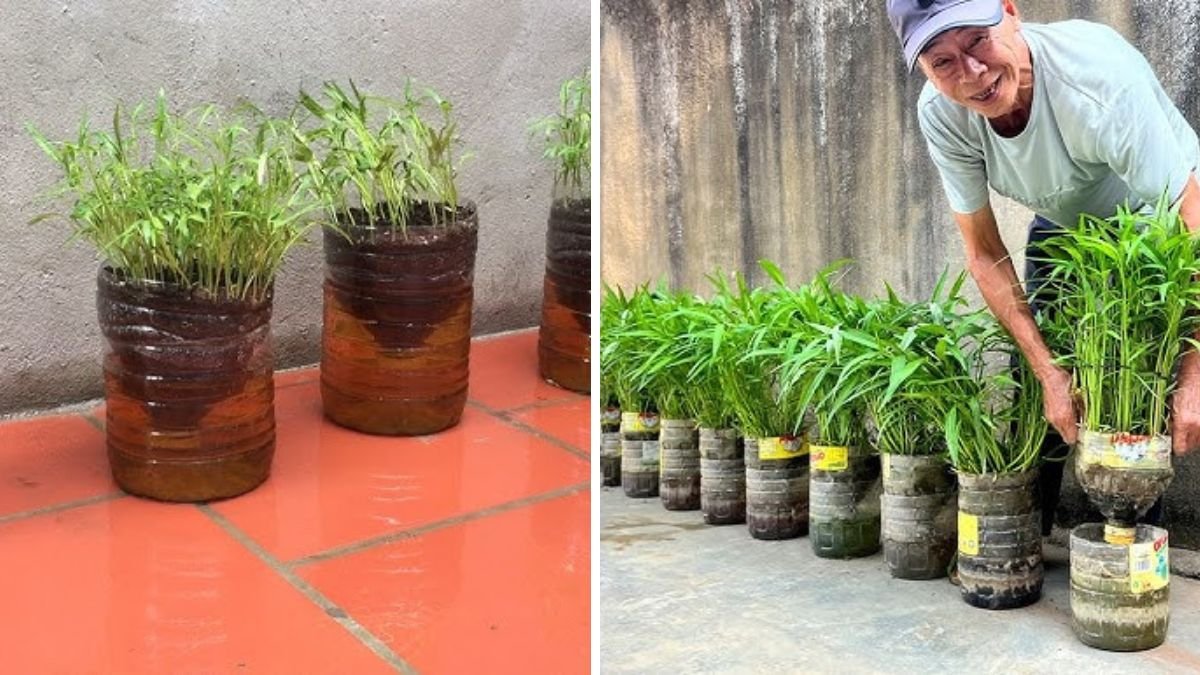
Introduction: Turn Plastic Bottles Into a Bountiful Garden
Imagine harvesting fresh vegetables year-round without ever needing to buy them again, all from recycled plastic bottles you already have at home. This simple and eco-friendly approach is transforming urban gardening. From lettuce and herbs to tomatoes and garlic, plastic bottle gardens allow you to grow vegetables at home with just plastic bottles, even in small spaces like balconies, terraces, or windowsills.
This method not only reduces plastic waste but also gives anyone the power to produce healthy, organic vegetables at home. With minimal space, cost, and effort, you can create a sustainable food source while practicing environmental responsibility. (YourPlantGuide)
Why Plastic Bottle Gardens Are Trending
Recycling plastic bottles into vegetable planters has become increasingly popular due to urbanization, rising grocery costs, and environmental awareness. Instead of discarding bottles, you can repurpose them into productive vegetable containers. This trend aligns with the global push for DIY food production, sustainable living, and reducing household waste.
Bottle gardens can be used in almost any setting: apartments, small yards, or indoor spaces with sunlight. They allow you to grow leafy greens, herbs, and small vegetables without traditional gardening spaces, making fresh produce accessible and affordable. (AgriFarming)
Methods to Grow Vegetables With Plastic Bottles
Here are the most effective techniques to grow vegetables at home with just plastic bottles, from beginner-friendly planters to more advanced hydroponic setups:
1. Self-Watering Plastic Bottle Planters
The self-watering planter is ideal for beginners:
- Step 1: Clean a used plastic bottle and cut it about one-third from the top.
- Step 2: Invert the top section and place it inside the bottom part to form a funnel.
- Step 3: Fill the bottom section with water and the top with soil and seeds.
- Step 4: Water gradually moves up as the plant needs it, reducing daily watering.
This method is perfect for leafy greens, herbs, and small vegetables, offering low-maintenance, continuous growth. (AgriFarming)
2. Vertical and Hanging Bottle Gardens
For small spaces, vertical or hanging bottle gardens are a practical solution:
- Cut a small window or opening in the bottle.
- Hang bottles sideways or stack them vertically on a frame or wall.
- Fill with soil, plant seeds, and place in a sunny area.
This setup is excellent for herbs, lettuce, and strawberries. It allows maximum utilization of limited space and adds a decorative touch to your home garden. (YourPlantGuide)
3. Hydroponic Bottle Systems
Hydroponics in bottles is an advanced, soil-free method:
- Prepare bottles with cut openings.
- Fill the bottom with nutrient-rich water.
- Use a sponge or medium to support the roots.
Plants like lettuce, mustard greens, and spinach thrive in these systems. Hydroponic bottle gardens maximize growth while reducing water use, making them efficient for indoor vegetable production. (GardenGreenInsights)
4. Bottle Garden With Fish (Aquaponics)
An innovative approach combines plastic bottles with a small fish tank:
- Fish provide nutrients through waste water.
- Bottle planters access nutrient-rich water.
- Plants grow faster and healthier while water circulates.
This aquaponic bottle garden produces both vegetables and fish sustainably, providing a complete home food system. (MaheshLunchHome)
Best Vegetables to Grow in Plastic Bottles
Not every plant thrives in a bottle garden, but many are ideal for these setups:
- Leafy Greens: Lettuce, spinach, mustard greens — shallow roots and fast-growing. (GlobalGardeningSecrets)
- Herbs: Basil, mint, coriander — perfect for kitchen use. (YourPlantGuide)
- Chilies & Mini Tomatoes: Small fruiting plants that fit larger bottles. (YourPlantGuide)
- Spring Onions & Garlic: Quick-growing and ideal for narrow bottles. (TimesOfIndia)
- Radishes & Small Roots: Use deeper bottles for taproot development. (YourPlantGuide)
Tips for a Successful Plastic Bottle Garden
- Sunlight: Provide 4–6 hours of sunlight daily; leafy greens tolerate slightly less.
- Water Smartly: Self-watering designs minimize maintenance but check soil moisture regularly.
- Rotate Bottles: Ensure even sunlight exposure by turning bottles occasionally.
- Drainage: Puncture small holes in the bottom to prevent waterlogging.
- Soil Refresh: Replace or amend soil periodically to maintain nutrients. (AgriFarming)
Eco-Friendly Benefits
Plastic bottle gardens offer environmental, financial, and practical advantages:
- ♻️ Recycling: Reduces plastic waste.
- 🥬 Cost Saving: Fresh vegetables without grocery trips.
- 💧 Water Conservation: Self-watering or hydroponic setups use less water.
- 🏡 Space-Efficient: Ideal for balconies, terraces, or indoor areas.
This sustainable solution supports urban gardeners in producing nutritious, fresh vegetables while reducing household waste. (YourPlantGuide)
Authoritative Sources
- YourPlantGuide – DIY Vertical Garden With Plastic Bottles (Link)
- AgriFarming – Zero Cost Gardening With Plastic Bottles (Link)
- GardenGreenInsights – Hydroponic Vegetables With Bottles (Link)
- Times of India – Grow Garlic in Plastic Bottles (Link)
Conclusion: Fresh Vegetables, No Store Needed
Growing vegetables at home with just plastic bottles is simple, cost-effective, and sustainable. From self-watering planters to vertical gardens, hydroponics, and aquaponics, this method lets you produce fresh vegetables year-round without buying them from stores.
It’s a practical, environmentally conscious solution that reduces waste, saves money, and brings fresh, homegrown vegetables to your kitchen. Start with a few bottles today and experience the joy of sustainable gardening. 🌿