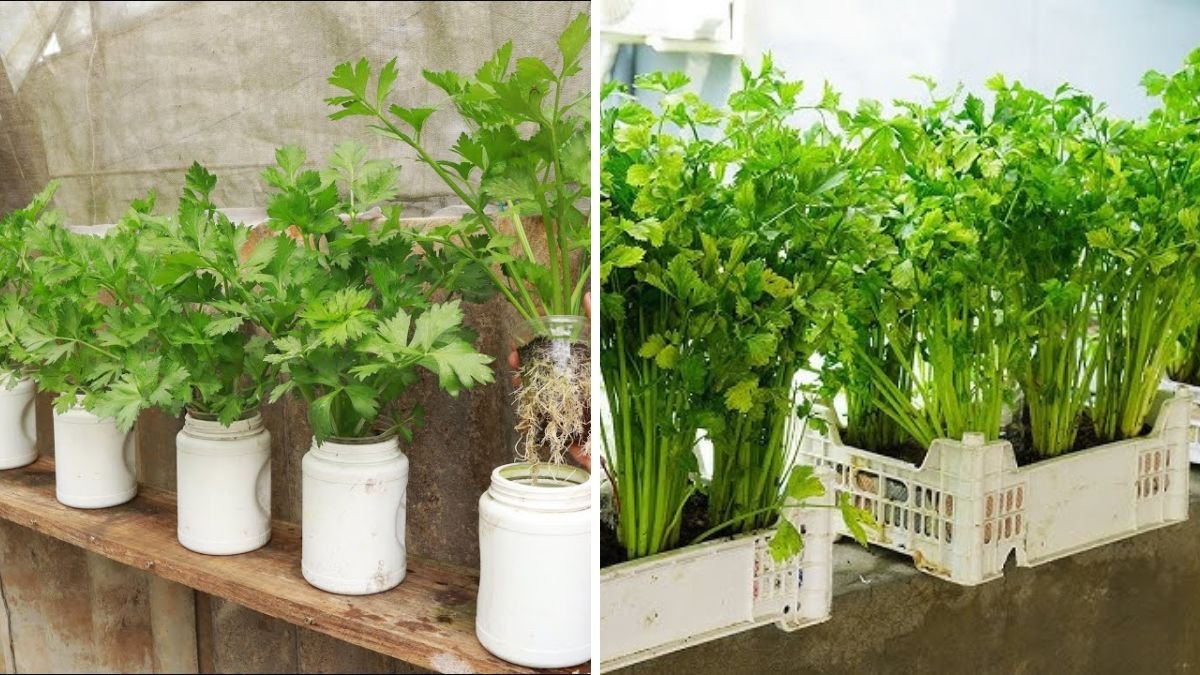
For many people living in urban apartments or homes without gardens, growing fresh vegetables can seem impossible. But with the right approach, even those without traditional garden space can successfully cultivate crops like celery. Celery is ideal for container gardening, balcony setups, or indoor spaces, making it perfect for people who want homegrown vegetables without access to a yard. This guide covers practical techniques, expert-backed tips, and easy-to-follow [FOCUS KEYWORD] so anyone can enjoy fresh, crunchy celery right at home.
Why Celery is Perfect for Home and Container Gardening
Celery is a water-loving vegetable with shallow roots, which makes it highly adaptable to containers or small spaces. Unlike deep-rooted crops, celery can thrive in pots or window boxes. Its compact growth habit allows urban growers to enjoy fresh stalks without needing a full garden.
Celery also provides a continuous harvest. By picking outer stalks regularly, the plant keeps producing new shoots, giving you a steady supply of fresh vegetables. Additionally, celery has high water content and responds well to consistent moisture and fertilization, making it an ideal candidate for indoor gardening, balcony containers, or even kitchen-based growing setups.
Urban gardening trends have shown a surge in people experimenting with container vegetables, especially leafy greens and herbs. Celery has become increasingly popular because it is easy to grow, nutritionally rich, and versatile in cooking. (almanac.com)
Getting Started: Choosing the Right Setup
Even without a garden, there are multiple ways to grow celery successfully. Here are practical methods for beginners and urban gardeners:
1. Container Gardening
Containers are a simple and effective way to grow celery at home. Choose pots that are at least 8–12 inches deep with drainage holes. Fill containers with high-quality potting mix enriched with organic matter. Celery prefers soil that retains moisture but drains well to prevent root rot. Place the container where it can receive at least six to eight hours of sunlight daily, or supplement with grow lights if needed. (erragaddasundaymarket.com)
2. Regrowing Celery from Kitchen Scraps
One of the most fascinating [FOCUS KEYWORD] approaches is regrowing celery from the base of a store-bought stalk. Cut off the bottom few inches of the stalk and place it in a shallow dish of water. Within a few days, roots and shoots will begin to emerge. Once roots are well-established, transplant the celery base into soil or a larger container. This method is both cost-effective and eco-friendly, giving you a second life for produce that would otherwise be discarded. (erragaddasundaymarket.com)
3. Hydroponic Growing
Hydroponics — growing plants in nutrient-rich water instead of soil — is another excellent method for homes without garden space. Simple systems like the Kratky method use opaque containers with nutrient solution and net pots to hold celery seedlings. Hydroponic setups allow precise control of water, nutrients, and light, resulting in healthy, fast-growing celery indoors. (erragaddasundaymarket.com)
4. Sunlight and Grow Lights
Celery requires consistent light for strong growth. South-facing windows or balconies provide natural sunlight, but in spaces with limited sun exposure, LED grow lights are an excellent alternative. Aim for at least six to eight hours of light per day to ensure robust plants.
5. Moisture Management
Celery thrives in consistently moist conditions. Container soil can dry out faster than garden soil, so regular watering is essential. Mulching the surface of container soil helps retain moisture and reduces evaporation. Avoid waterlogging the soil, as this can cause root rot. (almanac.com)
6. Choosing Compact Varieties
Certain celery cultivars are better suited to small-space or container gardening. Look for self-blanching or dwarf varieties, which are more compact and easier to manage in pots. These varieties grow well in limited soil depth and produce tender, flavorful stalks. (rhs.org.uk)
7. Utilizing Balconies and Shelves
Even without a garden, balconies, ledges, or window sills can support celery growth. Vertical shelves or stacked pots maximize space and allow you to grow multiple plants without taking up floor area. Ensure proper sunlight, airflow, and consistent watering to maintain plant health. (theguardian.com)
Step-by-Step Guide to Growing Celery Indoors
Here’s a beginner-friendly checklist to help you get started with [FOCUS KEYWORD]:
- Select a Container: Choose a pot with adequate depth and drainage.
- Prepare Soil: Use potting mix enriched with compost or organic material.
- Plant or Regrow Celery: Sow seeds or regrow from a stalk base.
- Water Consistently: Keep the soil evenly moist at all times. (almanac.com)
- Position for Light: Place near a sunny window or under LED grow lights.
- Harvest Smartly: Trim outer stalks regularly to encourage new growth.
By following these steps, even people without a garden can enjoy fresh, homegrown celery throughout the season.
Why Urban Celery Gardening Is Trending
Urban gardening is increasingly popular worldwide, as more people look for ways to grow food in limited spaces. In cities like Shanghai, Beijing, and New York, balcony and container gardening have become lifestyle trends. Residents cultivate leafy greens, herbs, and vegetables on small terraces or even window sills. This movement demonstrates that you don’t need a backyard to enjoy the benefits of homegrown food. (chinadaily.com.cn)
Container and indoor gardening also connect people with their food, reduce grocery costs, and contribute to mental wellness. Celery, with its continuous harvest and compact growth habit, has become a staple choice for urban growers.
Expert Tips for Success
- Use High-Quality Potting Mix: Provides nutrients and retains moisture.
- Maintain Consistent Watering: Prevents stringy or bitter stalks.
- Provide Adequate Light: Ensures healthy leaf and stalk development.
- Monitor Nutrients: Apply a balanced liquid fertilizer every few weeks for container-grown celery.
- Plan for Harvest: Remove outer stalks to allow continuous growth of inner stalks. (erragaddasundaymarket.com)
Following these tips helps you grow celery successfully without a traditional garden space.
Authoritative Sources to Explore
For further guidance and inspiration, consult these reliable sources:
- Oregon State University – Container Gardening: Expert advice for growing vegetables without a yard. (extension.oregonstate.edu)
- The Old Farmer’s Almanac – Celery Growing Guide: Comprehensive tips on growing celery, including soil, water, and planting requirements. (almanac.com)
- Royal Horticultural Society – Grow Your Own Celery: Details on selecting varieties and cultivation techniques. (rhs.org.uk)
- Erragadda Sunday Market – Container Celery Growing: Practical DIY approaches for urban gardeners. (erragaddasundaymarket.com)
Final Thoughts
Not having a garden should never stop you from growing fresh vegetables. Celery is highly adaptable to containers, hydroponic systems, and balcony or indoor setups, making it perfect for urban dwellers or apartment gardeners. With the right [FOCUS KEYWORD], even beginners can enjoy crisp, homegrown celery year-round. By following simple techniques, providing consistent water and light, and selecting suitable varieties, anyone can transform small spaces into productive and beautiful indoor gardens.
Growing your own celery without a garden is not only possible but rewarding — connecting you with fresh, nutritious food, saving money, and adding a touch of greenery to your living space. 🌱