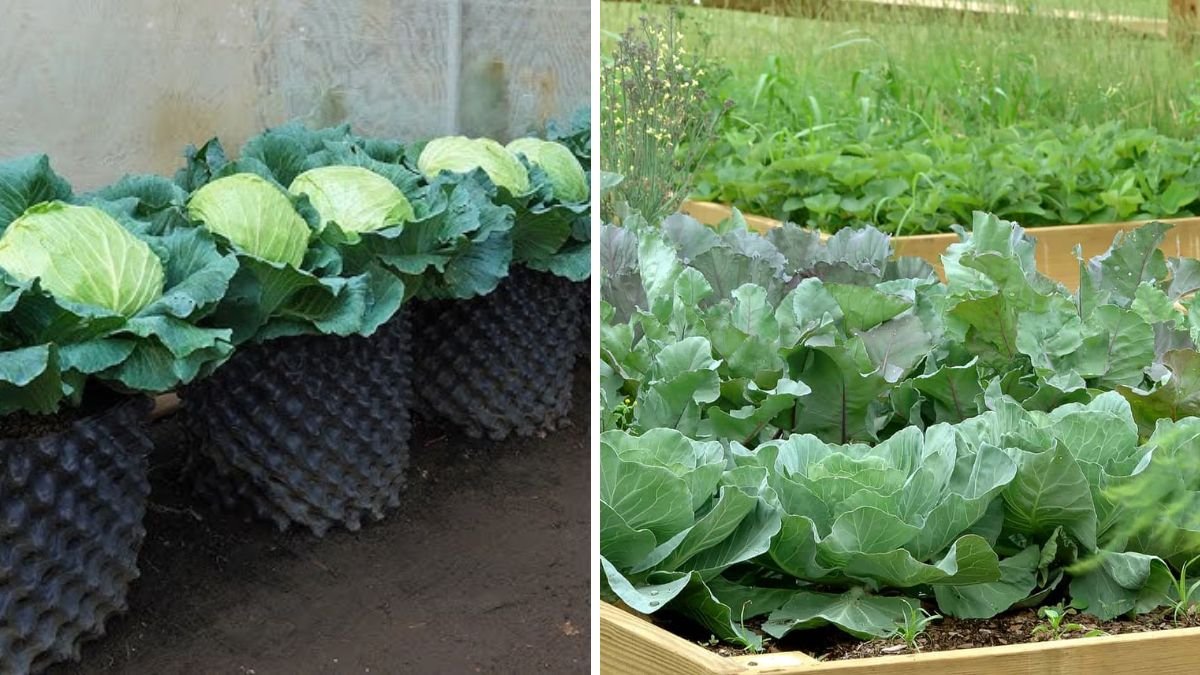
Cabbage is one of the most versatile and rewarding vegetables to grow. Packed with nutrients, easy to cook, and surprisingly resilient, cabbage can thrive in backyards, terraces, containers, or even small urban spaces. Many gardeners assume that cabbage requires vast fields or cool climates to grow well, but modern techniques and adaptable seed varieties have made it possible to grow healthy, productive cabbage almost anywhere.
In this article, we’ll explore unexpected tips and expert guidance that allow you to grow cabbage in limited space, in warmer climates, and even in containers — all while producing crisp, flavorful heads. [FOCUS KEYWORD]
Why Cabbage Is a Great Crop for Small Spaces and Urban Gardens
Cabbage is more than just a cool-season vegetable. Its popularity is growing among urban gardeners because:
- It’s highly nutritious and versatile: Great for salads, slaws, stir-fries, soups, and fermentation.
- Adaptable to small gardens or containers: Requires minimal space while still producing sizable heads.
- Flexible planting windows: Can be grown in spring, fall, or even mild winter climates.
Recent agricultural innovations, including hybrid and region-specific seed varieties, have made it possible to grow cabbage successfully in areas previously considered unsuitable, such as tropical or warm regions. This means even gardeners in small urban plots or tropical climates can enjoy fresh cabbage harvests. (mahaagrin.com)
1. Select the Right Site and Soil for Maximum Growth
The foundation of thriving cabbage is soil fertility and sunlight.
Sunlight: Cabbage requires at least 6–8 hours of direct sunlight daily. In hotter climates, providing morning sun with some afternoon shade can prevent heat stress and bolting. (almanac.com)
Soil: Cabbage prefers well-draining, fertile soil with a slightly acidic to neutral pH of 6.0–6.5. Enriching your soil with organic matter such as compost or aged manure boosts fertility, improves moisture retention, and supports healthy root systems. (almanac.com)
Plant spacing: Traditional spacing of 30–45 cm (1–1.5 ft) apart allows enough room for heads to form and improves airflow, reducing disease risk. Proper spacing is especially important when growing cabbages in smaller gardens to avoid overcrowding. (rhs.org.uk)
2. Growing Cabbage in Containers
One of the most unexpected tips for modern gardeners is that you don’t need a full garden plot to grow cabbage. Large containers can produce healthy cabbage heads with minimal soil.
Container size: Use deep pots with a minimum diameter of 30 cm (12 inches) to allow roots to spread fully.
Potting mix: Fill containers with peat-free multipurpose compost enriched with organic matter to retain moisture and nutrients.
Placement: Containers should receive full sun or partial shade in hotter climates to prevent heat stress. Rotating containers occasionally ensures even light exposure. (homesandgardens.com)
Container gardening also reduces pest problems and allows you to move plants for optimal light, temperature, and protection from extreme weather. (homesandgardens.com)
3. Start Seeds Indoors for an Early Head Start
Starting cabbage seeds indoors gives plants a head start on the growing season, particularly in regions with short cool seasons.
- Sow seeds indoors 8–10 weeks before the last expected frost.
- When seedlings develop 4–6 true leaves, harden them off gradually by exposing them to outdoor conditions.
- Transplant seedlings to garden beds or containers, spacing them appropriately. (gardenerspath.com)
This method helps seedlings establish strong roots and increases survival rates, leading to faster head formation.
4. Consistent Moisture and Fertility
Even though cabbage is adaptable, it performs best with regular moisture and nutrient-rich soil:
- Water evenly, aiming for 1–2 cm (0.5–1 inch) per week, increasing during hot or dry periods. (homedepot.com)
- Mulch around plants with compost or organic material to retain moisture, regulate temperature, and suppress weeds. (rhs.org.uk)
- Fertilize with a balanced feed if soil fertility is low to ensure vigorous growth. (almanac.com)
In container gardening, these steps are especially critical, as pots dry out faster than traditional garden soil.
5. Protect Young Plants from Pests
Cabbage attracts several common pests, including cabbage worms, aphids, and slugs. To keep plants healthy:
- Use insect-proof netting to prevent moths and caterpillars. (rhs.org.uk)
- Inspect plants regularly and hand-pick pests or use natural control methods. (homedepot.com)
- Ensure proper spacing and good airflow to reduce disease pressure.
6. Harvesting and Succession Planting
Cabbages are ready to harvest when heads are firm and dense. Additional tips:
- Harvest outer leaves early for baby greens if you want a continuous supply before full head formation. (almanac.com)
- Succession planting: Sow seeds in waves to enjoy a steady harvest over weeks or months. (gardenerspath.com)
- Cooler temperatures after planting can enhance sweetness and flavor, especially in fall or mild winter climates.
7. Unexpected Tip #1: Grow Cabbage in Warmer Climates
Thanks to modern hybrid varieties and region-specific seeds, cabbage can now be grown successfully in warmer climates where it was once challenging. Home gardeners can cultivate cabbages in terraces, backyard plots, and urban settings, making cabbage accessible even outside traditional cool-season regions. (mahaagrin.com)
8. Unexpected Tip #2: Cabbage as a Health and Culinary Superfood
Beyond gardening, cabbage has gained popularity as a nutrient-dense superfood. Rich in vitamins, minerals, and antioxidants, it is increasingly featured in diets for wellness and beauty benefits, making it a trendy crop for urban gardeners. (grazia.co.in)
Authoritative Sources for Further Guidance
- Royal Horticultural Society (RHS) – Grow Your Own Cabbage: Expert advice on planting, spacing, and pest management. (rhs.org.uk)
- Old Farmer’s Almanac – Cabbage Planting & Care: Guidance on seasons, soil, and watering. (almanac.com)
- Gardener’s Path – How to Grow Cabbage: Detailed transplanting and container tips. (gardenerspath.com)
- UC IPM – Cabbage Cultural Tips: Soil management, spacing, and pest prevention. (ipm.ucanr.edu)
Conclusion: Grow Cabbage Anywhere With These Tips
Cabbage can be grown almost anywhere you have soil and sunlight. By choosing adaptable varieties, using containers, managing soil fertility, maintaining consistent moisture, and protecting plants from pests, gardeners can harvest crisp, nutritious cabbage in gardens, terraces, or small urban spaces.
With succession planting and modern seed innovations, even warm-climate gardeners can enjoy high-quality cabbage year-round. Whether you are a seasoned gardener or a beginner, these unexpected tips make cabbage cultivation accessible, rewarding, and fun — proving that this humble vegetable truly can grow anywhere. [FOCUS KEYWORD]