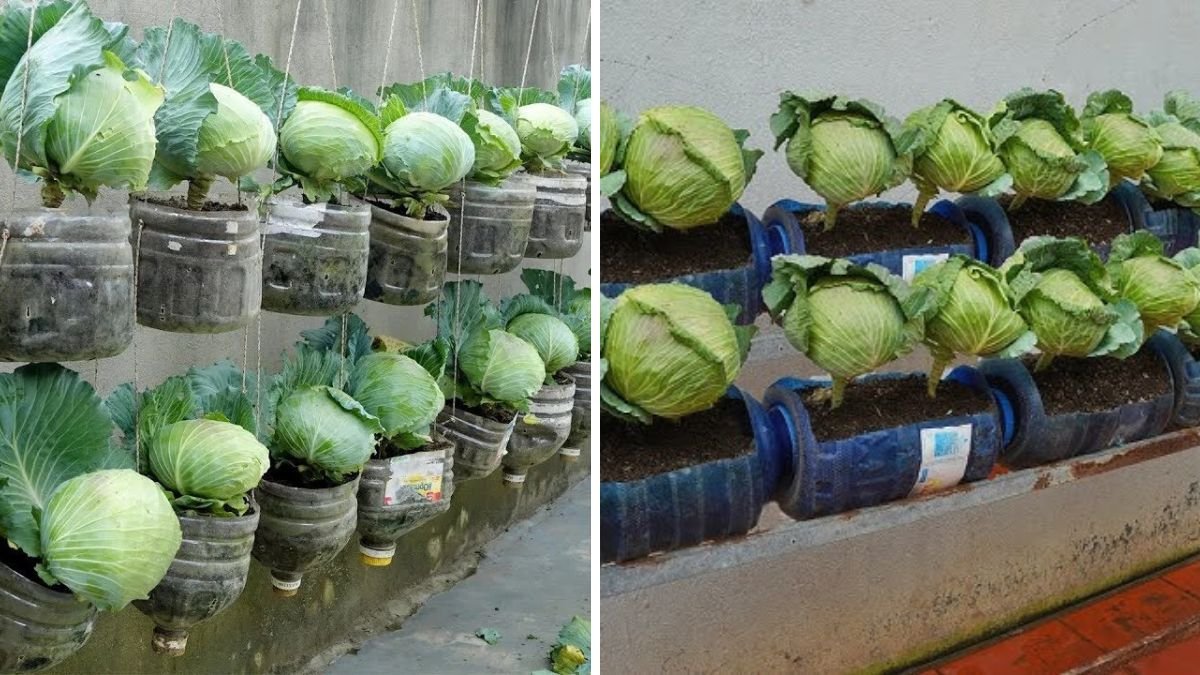
Cabbage is one of the most rewarding vegetables to grow at home. Nutritious, versatile, and surprisingly easy when you know the right techniques, it can transform a small garden patch or even a balcony container into a thriving vegetable garden. Many gardeners struggle with cabbage cultivation because of common mistakes like poor soil preparation, overcrowding, or inconsistent care. With FOCUS KEYWORD, you can grow crisp, healthy, and abundant cabbage heads with minimal hassle.
Cabbage is a staple in kitchens worldwide — perfect for salads, soups, stir-fries, and pickling. Growing it at home ensures freshness, saves money, and gives you the satisfaction of harvesting your own food. Recent gardening guides emphasize how cabbage’s adaptability makes it ideal for both spring and fall planting. With proper care, you can even grow it through cooler months, extending your harvest season significantly. (almanac.com)
Why Grow Cabbage at Home?
Cabbage is not only easy to grow, but it also provides significant nutritional and culinary benefits. It’s rich in vitamins, minerals, and antioxidants, making it a superfood that’s affordable and accessible when grown at home. Additionally:
- Easy to grow: Cabbage thrives in a variety of soils and can handle slight shade as long as basic requirements are met. (ipm.ucanr.edu)
- High yield potential: With proper care, a few plants can produce enough cabbage for a family throughout the season.
- Long harvest window: Early, mid, and late-season varieties allow for staggered planting and harvesting.
- Great for beginners: With consistent care and attention to soil and spacing, even novice gardeners can enjoy a bountiful crop. (thebetterindia.com)
Whether you’re planting in a backyard bed or in containers, cabbage is forgiving, making it an ideal vegetable to start with for home gardeners seeking a “dream garden” experience.
Step 1: Choose the Right Spot and Soil
Cabbage prefers full sun — at least 6–8 hours of direct sunlight daily. While it can tolerate partial shade, maximum sun exposure promotes large, dense heads and healthy leaves. Avoid planting near tall crops that may cast shadows. (almanac.com)
Soil quality is essential. Cabbage grows best in:
- Well-drained, fertile soil
- Rich in organic matter such as compost or aged manure
- Slightly acidic to neutral (pH 6.0–7.0) (bunnings.com.au)
Working compost or organic material into your garden bed before planting enhances soil structure, improves water retention, and provides essential nutrients throughout the growing season.
Step 2: Planting Seeds or Seedlings
You can grow cabbage from seeds or starter seedlings.
- Seeds: Sow indoors 6–8 weeks before transplanting outdoors, or directly sow in garden beds once soil is workable.
- Seedlings: Transplant when seedlings have a few true leaves and soil temperatures are stable. (almanac.com)
For container gardening, select pots at least 12 inches deep and wide to accommodate root growth. One cabbage plant per five-gallon container is ideal for strong, healthy development. (homesandgardens.com)
Step 3: Proper Spacing
Cabbage requires sufficient space to grow dense heads. Crowded plants compete for nutrients and light, which can result in small or loose heads. For best results:
- Space plants 12–18 inches apart
- Keep rows 24–30 inches apart for good airflow (almanac.com)
In container gardens, spacing one plant per large pot is ideal to prevent competition and ensure proper growth.
Step 4: Watering and Feeding
Cabbage is a water-rich plant, and consistent moisture is crucial. Dry soil can stunt growth and affect head formation, while waterlogged soil may cause root rot. (acquagarden.co.uk)
Watering Tips:
- Keep soil consistently moist, watering deeply once or twice a week depending on rainfall
- Mulch around plants to retain moisture and reduce temperature fluctuations
Fertilization Tips:
- Feed plants with balanced fertilizers every few weeks
- Organic compost or slow-release fertilizers support head formation and leafy growth (trustbasket.com)
Consistent care ensures vigorous growth and increases your chances of producing dense, healthy cabbage heads.
Step 5: Pest and Disease Management
Cabbage is susceptible to pests such as cabbage loopers, aphids, and caterpillars. It can also be affected by fungal diseases if spacing and airflow are poor. (almanac.com)
Protection Tips:
- Use mesh covers or floating row covers to prevent insect damage
- Apply organic pest control methods like neem oil or Bacillus thuringiensis (BT) spray
- Maintain good spacing and airflow to reduce fungal infections
- Remove affected leaves promptly to prevent spread (homesandgardens.com)
Step 6: Harvesting
Cabbage is ready to harvest when heads feel firm to the touch. The typical growing period ranges from 70 to 120 days, depending on the variety. (homedepot.com)
Harvesting Tips:
- Cut heads at the base with a sharp, clean knife
- Leave outer leaves for ongoing protection if continuing to grow smaller heads
- Stagger plantings to enjoy fresh cabbage over multiple months (homesandgardens.com)
Seasonal Tips and Companion Planting
- Spring planting: Start seeds indoors early for an early summer harvest
- Fall/Winter planting: Certain varieties tolerate frost, ideal for autumn and winter gardens (thebetterindia.com)
- Companion planting: Dill, onions, and garlic can attract beneficial insects that help protect cabbage from pests (southernliving.com)
Authoritative Sources
- Royal Horticultural Society – How to Grow Cabbages (rhs.org.uk)
- Old Farmer’s Almanac – Cabbage Planting & Care (almanac.com)
- TrustBasket – How to Grow Cabbage at Home Easily (trustbasket.com)
- Homes & Gardens – Growing Cabbage in Containers (homesandgardens.com)
- UC IPM – Cultural Tips for Growing Cabbage (ipm.ucanr.edu)
Conclusion
With FOCUS KEYWORD, creating a dream cabbage vegetable garden at home is simple and achievable. By focusing on soil quality, proper planting, watering, feeding, pest management, and timely harvesting, you can enjoy large, healthy cabbage heads throughout the season. Whether you have a backyard plot, raised beds, or container space, consistent care and attention will reward you with nutritious, fresh cabbage for your kitchen — and the satisfaction of growing it yourself.