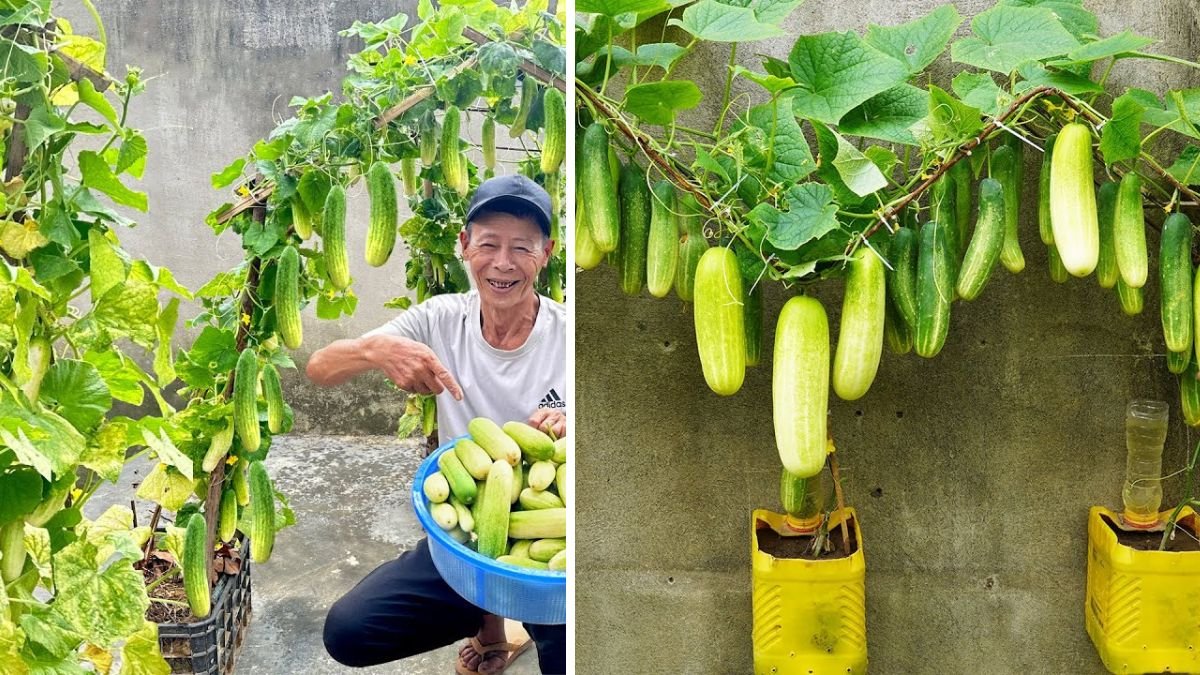
Cucumbers are one of the most rewarding summer crops. Crisp, refreshing, and versatile, they are perfect for salads, pickles, and snacking. Yet, even experienced gardeners often see disappointing results due to a few common mistakes. Many find themselves asking, “Why aren’t my cucumbers producing more?” or “What am I doing wrong?” The good news is that with the right approach, you can dramatically increase your cucumber harvest. This guide focuses on FOCUS KEYWORD, helping you avoid pitfalls and grow high-yield cucumbers with ease.
Recent gardening trends emphasize proper soil preparation, pollination, watering, fertilization, and support systems — all essential for maximizing cucumber growth. Cucumbers are fast-growing, heavy-feeding plants, and small missteps can make a big difference in yield. By following these tips, you’ll ensure your cucumbers thrive and produce abundantly.
Understanding Common Mistakes
Many gardeners unknowingly make mistakes that reduce cucumber yields. Recognizing these pitfalls is the first step to a productive harvest.
Ignoring Soil Preparation and Fertility
One of the biggest mistakes is neglecting soil preparation. Cucumbers thrive in rich, loamy soil enriched with compost or well-rotted manure. Healthy soil provides nutrients and retains moisture while allowing roots to expand. Poor soil leads to stunted growth, weak vines, and low fruit production.
Fix: Before planting, work plenty of organic matter into your garden beds. Mulching with straw or wood chips helps retain moisture and suppress weeds, creating ideal growing conditions for cucumbers.
Poor Pollination
Cucumber plants produce male and female flowers. Without proper pollination, female flowers will not develop into fruit, leading to reduced yields. Many gardeners experience small, deformed, or aborted cucumbers because pollinators are scarce or flowers are missed.
Fix: Encourage bees and other pollinators by planting flowers near your cucumbers. In small gardens or greenhouses, hand-pollination with a soft brush can dramatically improve fruit set.
Over- or Under-Fertilizing
Cucumbers are heavy feeders, but too much nitrogen can cause lush foliage at the expense of flowers and fruit. Conversely, nutrient deficiencies can stunt flowering and reduce yields.
Fix: Use a balanced fertilizer at planting and adjust feeding as the plants grow. Phosphorus and potassium are especially important during flowering and fruiting stages. Side-dressing with compost or a slow-release fertilizer supports healthy, high-yield growth.
Overwatering or Inconsistent Moisture
Cucumbers require consistent moisture to thrive, but overwatering can lead to root rot and fungal diseases, while irregular watering can result in bitter fruit and poor fruit set. Many gardeners struggle to strike the right balance.
Fix: Water deeply once or twice a week, adjusting based on rainfall and soil type. Drip irrigation or soaker hoses are ideal for keeping soil moist while keeping foliage dry, reducing disease risk.
Not Providing Support Structures
Allowing cucumber vines to sprawl across the ground can increase disease risk, cause fruit rot, and make harvesting difficult. Ground-grown vines often yield less fruit and are more vulnerable to pests.
Fix: Use a trellis or vertical support to train vines upward. Hanging fruits get more sunlight, have better airflow, and are easier to harvest, leading to higher yields.
Best Practices for High-Yield Cucumbers
Once you’ve addressed common mistakes, implementing best practices ensures your cucumbers reach their full potential.
Warm Soil and Proper Timing
Cucumbers love warmth. Plant seeds or transplants after the danger of frost has passed and when soil temperatures consistently reach around 60°F (16°C). Warm soil encourages rapid germination and strong root development, setting the stage for a productive harvest.
Correct Spacing for Healthy Growth
Proper spacing allows for airflow, reduces disease pressure, and gives roots room to develop. Plant cucumbers far enough apart to prevent crowding. If using trellises, closer spacing is possible since vines grow vertically rather than sprawling.
Consistent Feeding
Regular feeding ensures plants have enough nutrients to support fruit production. Apply balanced fertilizer at planting, then side-dress during flowering and fruit set. Slow-release fertilizers or compost work well for continuous feeding. Avoid over-fertilizing with nitrogen during fruiting, which can favor foliage over cucumbers.
Frequent Harvesting
Harvesting cucumbers regularly encourages the plant to produce more fruit. Leaving mature fruit on the vine signals the plant to slow production. Pick cucumbers at the right size, typically 6–8 inches for slicing varieties, to maintain continuous yields.
Pruning for Yield
Pruning cucumber plants can improve airflow and sunlight penetration, reducing disease risk and focusing energy on fruit production. However, over-pruning can stress the plant, so remove only excess or unhealthy leaves. Always use clean tools to prevent spreading disease.
Tips for Container or Small-Space Gardening
Cucumbers grow well in containers or limited spaces if given proper care. Use large pots with well-draining soil mixed with compost. Train vines on a small trellis to save space and improve yield. Mulching container soil reduces evaporation and maintains consistent moisture.
Emerging Insights and Trends
Recent research is focused on high-yielding cucumber hybrids for greenhouse and controlled environments. These varieties mature quickly, produce more fruit, and resist common diseases. Additionally, indoor and vertical gardening techniques are gaining popularity, allowing gardeners to grow cucumbers year-round in small spaces.
By adopting these modern practices, gardeners can maximize cucumber production even in challenging climates or limited spaces.
Authoritative Sources to Reference
To enhance credibility and provide further reading, these sources are recommended:
- Royal Horticultural Society – How to Grow Cucumbers (rhs.org.uk)
- Garden & Home – Tips for Growing Cucumbers (gardenandhome.co.za)
- University of Minnesota Extension – Cucumber Growing Guide (extension.umn.edu)
- VeggieGrow – Top 10 Mistakes in Cucumber Farming (veggiegrow.ng)
- Dripworks – Tips for Growing Cucumbers in Raised Beds (dripworks.com)
Conclusion
High-yield cucumbers require careful attention to soil, pollination, watering, fertilization, and vine management. Avoiding common mistakes such as poor soil prep, inadequate pollination, inconsistent moisture, and lack of support can dramatically improve harvests. By following the best practices outlined in this guide, you can ensure your cucumbers grow healthy, abundant, and delicious.
With FOCUS KEYWORD, gardeners of all levels can enjoy higher yields, stronger plants, and the satisfaction of growing one of summer’s most popular vegetables. Start with good preparation, care for your plants properly, and harvest regularly — your cucumber plants will reward you with bountiful, crisp fruits all season long.