Introduction
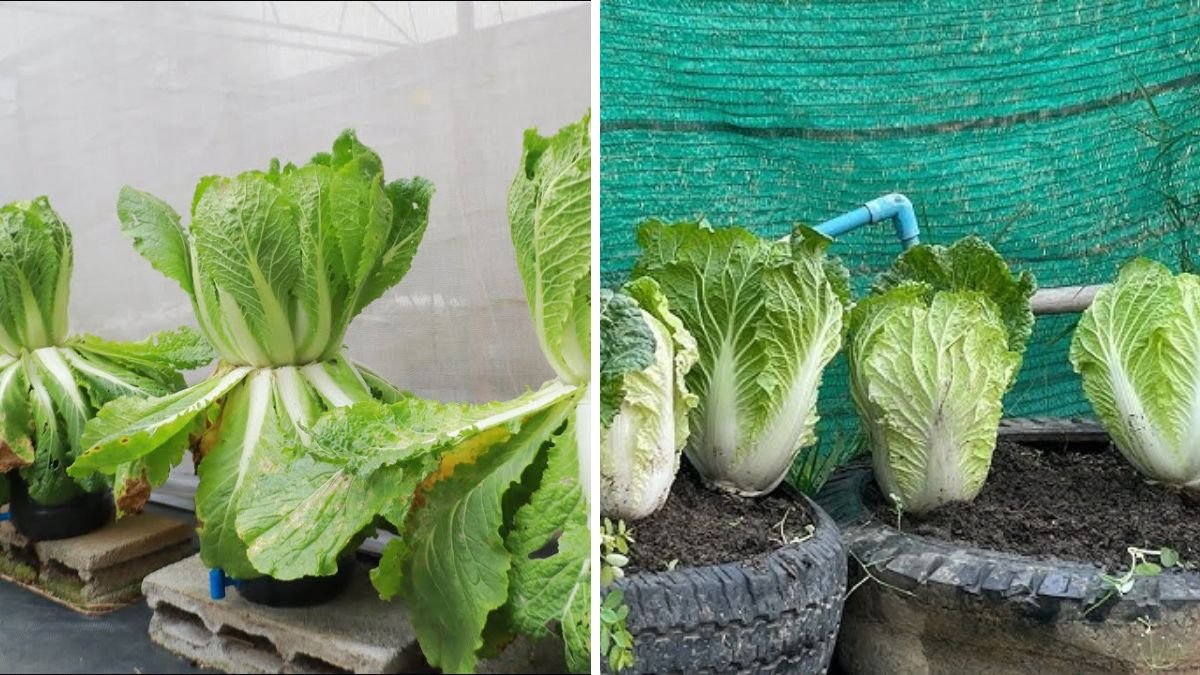
Napa cabbage, also called Chinese cabbage, is a leafy vegetable cherished for its crisp texture and versatility. From stir-fries to kimchi and fresh salads, it’s a staple in many kitchens. Traditionally, gardeners associate Napa cabbage with large garden plots and ample space. But modern container gardening proves that even small pots can yield healthy, abundant heads — perfect for urban balconies, patios, or tiny yards.
With the right techniques, containers, and soil care, growing Napa cabbage in small pots can produce impressive results, even for beginners. This article explains [FOCUS KEYWORD], including container selection, soil preparation, planting tips, and care strategies, supported by authoritative sources.
Why Container Gardening Works for Napa Cabbage
Growing Napa cabbage in small pots offers several advantages:
- Space Efficiency: Urban gardeners can cultivate cabbage on balconies or patios without a garden bed. (maheshlunchhome.org)
- Controlled Conditions: Containers allow better soil drainage, moisture control, and protection from soil-borne pests. (homesandgardens.com)
- Accessibility: Containers are portable, enabling gardeners to move plants to sunlight or shelter during extreme weather. (maheshlunchhome.org)
- Extended Growing Season: Potted plants can be moved indoors or to sheltered areas, extending the harvest period.
These benefits make container gardening an ideal solution for growing Napa cabbage in limited spaces while achieving big harvests.
Choosing the Right Pot
Selecting the appropriate container is crucial for healthy cabbage growth:
- Size: Each Napa cabbage plant needs at least 12–14 inches deep and 10 inches in diameter. This depth ensures sufficient room for root expansion and nutrient absorption. (maheshlunchhome.org)
- Drainage: Drill 4–6 drainage holes at the bottom to prevent waterlogging, which can damage roots.
- Material: Recycled or affordable pots, buckets, storage bins, or crates work perfectly. Ensure they are clean and sturdy.
By choosing the right container, you create a healthy environment for roots, which is the foundation for strong cabbage heads.
Preparing the Soil Mix
Good soil is essential for container-grown Napa cabbage:
Recommended Soil Mix
- 50% garden soil or compost
- 30% coco peat or peat moss (for moisture retention)
- 20% perlite or sand (for proper drainage)
Adding composted manure or kitchen compost enriches nutrients naturally. Napa cabbage thrives in slightly acidic to neutral pH soil (6.0–7.5), which encourages strong growth and crisp heads. (maheshlunchhome.org)
Light and Temperature Requirements
Napa cabbage is a cool-season crop:
- Sunlight: 4–6 hours of direct sunlight daily. Morning sun is ideal for leafy growth. (maheshlunchhome.org)
- Temperature: Best grown in 10–22 °C (50–72 °F). High temperatures can cause early bolting or slow growth.
Partial shade is tolerable, but plants grow faster and produce denser heads with ample sunlight.
Planting Napa Cabbage in Small Pots
Step 1: Starting Seeds or Seedlings
- Seeds: Sow directly into the container, spacing them appropriately.
- Seedlings: Start in small biodegradable cups, then transplant after 3–4 true leaves develop. (maheshlunchhome.org)
Step 2: Spacing
Even in small pots, one plant per container is recommended. Adequate spacing ensures roots have room to grow and reduces competition for nutrients.
Step 3: Watering
Maintain even soil moisture. Too little water causes tough, bitter leaves; too much water leads to root rot. Mulching with straw or dried leaves helps retain moisture and stabilize soil temperature. (homesandgardens.com)
Caring for Container-Grown Napa Cabbage
Fertilization
Cabbage in pots benefits from additional nutrition during growth:
- Use organic fertilizers like compost tea, diluted fish emulsion, or vermicompost.
- Fertilize every 3–4 weeks to maintain vigorous growth and dense heads.
Pest Management
- Neem oil spray controls aphids and cabbage worms naturally. (maheshlunchhome.org)
- Companion planting: Mint or dill nearby can deter pests. (bademiya.org)
- Inspect leaves regularly to catch infestations early.
Harvesting Your Napa Cabbage
Napa cabbage matures in 70–90 days:
- Check head firmness: Harvest when heads are tight and firm.
- Outer leaves: Can be harvested selectively for fresh greens while allowing the head to continue growing.
- Use a clean knife to cut the head at the base, leaving the roots in the soil if you want to encourage regrowth.
Container-grown cabbage can provide multiple harvests, especially when outer leaves are picked continuously.
Tips for Big Results
- Succession planting: Start new seedlings every few weeks to maintain a continuous harvest. (maheshlunchhome.org)
- Deep planting: Slightly deeper planting of seedlings promotes robust root systems.
- Consistent care: Regular watering, sunlight exposure, and fertilization are key to maximizing yield.
Culinary and Nutritional Benefits
Growing your own Napa cabbage ensures:
- Fresher, more flavorful greens than store-bought cabbage.
- Nutrient-rich produce free from pesticides.
- Convenience — harvested directly from your balcony or patio.
Napa cabbage is perfect for stir-fries, soups, salads, and fermented foods like kimchi. Container gardening makes this nutritious vegetable easily accessible year-round. (bademiya.org)
Authoritative Sources
- Mahesh Lunch Home: Step-by-step container growing techniques. (link)
- Homes and Gardens: Growing cabbages in containers and care tips. (link)
- Bademiya Gardening: Low-space, high-yield methods. (link)
These sources enhance credibility and help SEO authority.
Conclusion
Growing Napa cabbage in small pots is a practical, rewarding solution for urban gardeners and space-limited households. By using the right container, fertile soil, and consistent care, you can achieve big results — crisp, nutritious cabbage heads — even in limited space.
With [FOCUS KEYWORD], you’ll enjoy fresh, healthy greens, a continuous harvest, and a sustainable gardening practice, all from your small balcony or patio. Start your container cabbage garden today and experience the benefits of high-yield, small-space gardening.