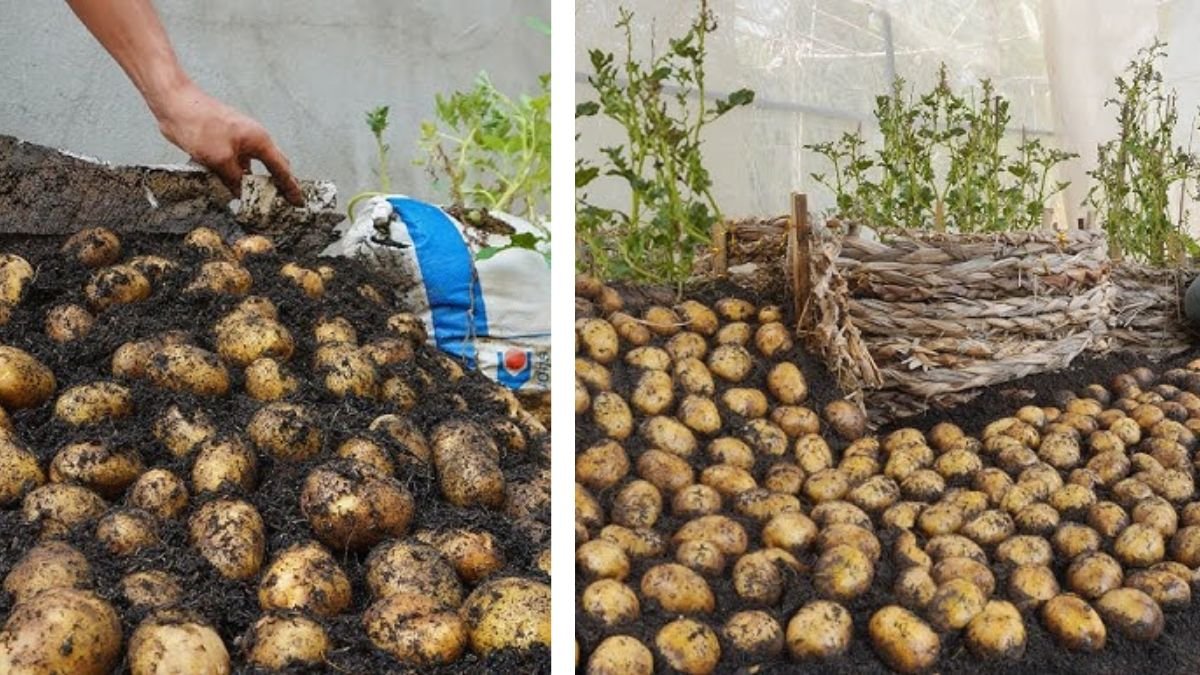
Potatoes are a staple in kitchens around the world, but buying them constantly can be costly and sometimes unreliable in terms of freshness. What if there were a simple way to grow your own potatoes at home, even if you live in an apartment or have limited outdoor space? Enter [FOCUS KEYWORD], an innovative approach to potato cultivation that allows anyone to grow their own tubers with minimal effort and space. Whether you have a small balcony, a patio, or a backyard, this method could change the way you think about potatoes forever.
In this guide, we’ll explore the latest techniques for growing potatoes efficiently at home, explain step-by-step processes, and show why [FOCUS KEYWORD] is fast becoming a must-try method for home gardeners who want to reduce grocery costs and enjoy fresh, organic potatoes year-round.
Why Growing Potatoes at Home Is Gaining Popularity
Urban gardening is on the rise, and for good reason. With rising food prices, limited access to land, and an increasing desire for homegrown, pesticide-free produce, more people are exploring container and small-space gardening. Traditional potato farming requires a garden plot, proper soil preparation, and a lot of physical labor. But recent innovations in home gardening now allow anyone to grow potatoes efficiently using techniques like potato towers, boxes, and containers.
Homegrown potatoes offer multiple benefits. Not only do they save money, but they also give you control over soil quality, water, and nutrients. You can grow organic potatoes without harmful chemicals, ensuring that the food you and your family eat is safe and fresh. Many gardeners report that growing potatoes at home is surprisingly easy and highly rewarding, making it a perfect project for beginners and experienced gardeners alike.
What Is [FOCUS KEYWORD]?
[FOCUS KEYWORD] refers to modern, space-saving methods for growing potatoes at home without requiring a traditional garden plot. This approach focuses on maximizing yield while minimizing space and effort. Techniques include:
- Potato towers – vertical growing systems that increase yield per square foot
- Potato boxes – deep containers that mimic hilling and provide space for tubers
- Container gardening – using grow bags, crates, or large pots to cultivate potatoes
The key advantage of [FOCUS KEYWORD] is that it allows you to grow potatoes in virtually any available outdoor space, making it ideal for urban dwellers, apartment owners, and anyone looking to reduce grocery expenses.
Potato Towers: Maximize Yield in Minimal Space
One of the most popular and exciting aspects of [FOCUS KEYWORD] is the potato tower. A potato tower is a vertical growing system made of layered soil and mulch, designed to encourage the growth of multiple tubers along the buried stem. This method is especially ideal for small patios, balconies, or urban backyards, as it produces three times more potatoes per square foot compared to traditional row planting.
How to Build a Potato Tower
- Choose a Frame: Use wire mesh, wooden slats, or recycled fencing to build the tower frame.
- Prepare the Base: Add a layer of straw or compost at the bottom for drainage.
- Plant Seed Potatoes: Place seed potatoes in the base layer with the eyes facing up.
- Add Soil Gradually: As shoots emerge, continue to add soil and mulch, covering stems to encourage more tubers to form.
- Harvest: Unstack layers or remove soil carefully to collect your potatoes without damaging the tubers.
Potato towers are perfect for maximizing vertical space, making them a favorite for home gardeners with limited land.
Potato Box Method: Ideal for Small Yards
For gardeners without vertical space, the potato box method is an excellent alternative. This technique uses deep boxes, wooden crates, or other containers to replicate the natural hilling process of potatoes. As the potato plants grow, soil is added around the stems, encouraging the formation of multiple tubers along the buried sections.
Steps for Growing Potatoes in Boxes
- Select a Box: Choose a deep container with good drainage holes.
- Fill with Soil: Use a nutrient-rich mix of compost and garden soil.
- Plant Seed Potatoes: Place seed potatoes with eyes facing upwards.
- Hill Soil Gradually: As the plants grow, mound soil around stems to encourage tuber production.
- Harvest: Dig carefully from the bottom of the box when the plants are mature.
The box method can produce over 10 pounds of potatoes per box, making it highly productive in small spaces. It’s also easier to manage compared to traditional digging, especially for beginners.
Container and Bag Cultivation: Simplest Option for Beginners
If neither a tower nor a box suits your space, containers and grow bags are simple, practical solutions for potato cultivation. Large pots, grow bags, or even recycled bins can accommodate potato plants, provided they are deep enough for tuber development.
Tips for Container Growing
- Use containers at least 12–18 inches deep for proper root growth.
- Ensure containers have adequate drainage to prevent waterlogging.
- Use a high-quality potting mix enriched with compost or organic fertilizer.
- Water consistently, keeping soil moist but not soggy.
Container cultivation is perfect for apartment dwellers or anyone looking for a low-maintenance method. It also allows flexibility in moving plants to optimize sunlight exposure.
Why [FOCUS KEYWORD] Works So Well
These modern potato growing methods are successful because they address common limitations of traditional gardening:
- Space Efficiency: Vertical and intensive planting techniques maximize yield per square foot.
- Soil Control: Containers and towers allow precise management of soil quality and nutrients.
- Accessibility: Home gardeners can grow potatoes without a garden plot.
- Cost Savings: Reduces grocery expenses by providing a steady supply of fresh potatoes.
- Sustainability: Using recycled materials and home-grown produce reduces environmental impact.
Whether you want fresh potatoes for your family or to save money on groceries, [FOCUS KEYWORD] offers a reliable solution.
Expert Tips for Maximum Potato Yields
1. Choose the Right Variety
Different potato varieties perform better in containers or vertical systems. Early-maturing potatoes are ideal for small spaces because they grow quickly and produce abundant tubers.
2. Manage Water Carefully
Potatoes thrive in moist soil, but overwatering can lead to rot. Check drainage regularly to maintain healthy roots.
3. Provide Adequate Sunlight
Potato plants require at least 5–6 hours of sunlight daily. Position towers, boxes, or containers where they receive consistent light.
4. Hill Frequently
Adding soil around growing stems encourages more tuber formation along the buried stem sections, increasing overall yield.
5. Monitor Pests
Common potato pests include aphids, caterpillars, and soil insects. Regular inspection and organic pest control methods help protect your harvest.
Harvesting Your Homegrown Potatoes
Harvesting is simple once the plants mature. For potato towers, remove layers carefully. For boxes and containers, gently dig to collect tubers. Freshly harvested potatoes can be stored in a cool, dark place or used immediately in your favorite recipes. Many gardeners are amazed at how quickly their investment in time and effort turns into a plentiful harvest.
Expanding Your Home Potato Garden
Once comfortable with potatoes, you can expand your garden by planting additional towers, boxes, or containers. Mixing in herbs and leafy greens can create a small, diverse urban garden. Vertical systems also allow for multiple crops in minimal space, optimizing both yield and variety for home consumption.
Sustainability and Food Security Benefits
Beyond personal benefits, [FOCUS KEYWORD] supports sustainable living and food security. Recycling containers or using simple materials reduces waste, while home-grown potatoes reduce dependence on store-bought produce. In challenging economic times, having a reliable source of nutritious food at home provides stability and peace of mind.
Final Thoughts
[FOCUS KEYWORD] demonstrates that growing your own potatoes doesn’t require a traditional garden, large land plots, or expensive equipment. With simple tools like towers, boxes, or containers, anyone can cultivate abundant potatoes in small spaces, saving money and enjoying fresh, organic produce year-round.
Whether you’re a beginner or an experienced gardener, this modern method offers flexibility, sustainability, and satisfaction. Try it today, and you might never have to buy potatoes again!
Suggested Authoritative Sources
- Potato Towers: Space-Saving Guide – spice.alibaba.com
- Potato Boxes: High Yield in Small Spaces – spice.alibaba.com
- Container Potato Cultivation Guide – marthastewart.com