Introduction
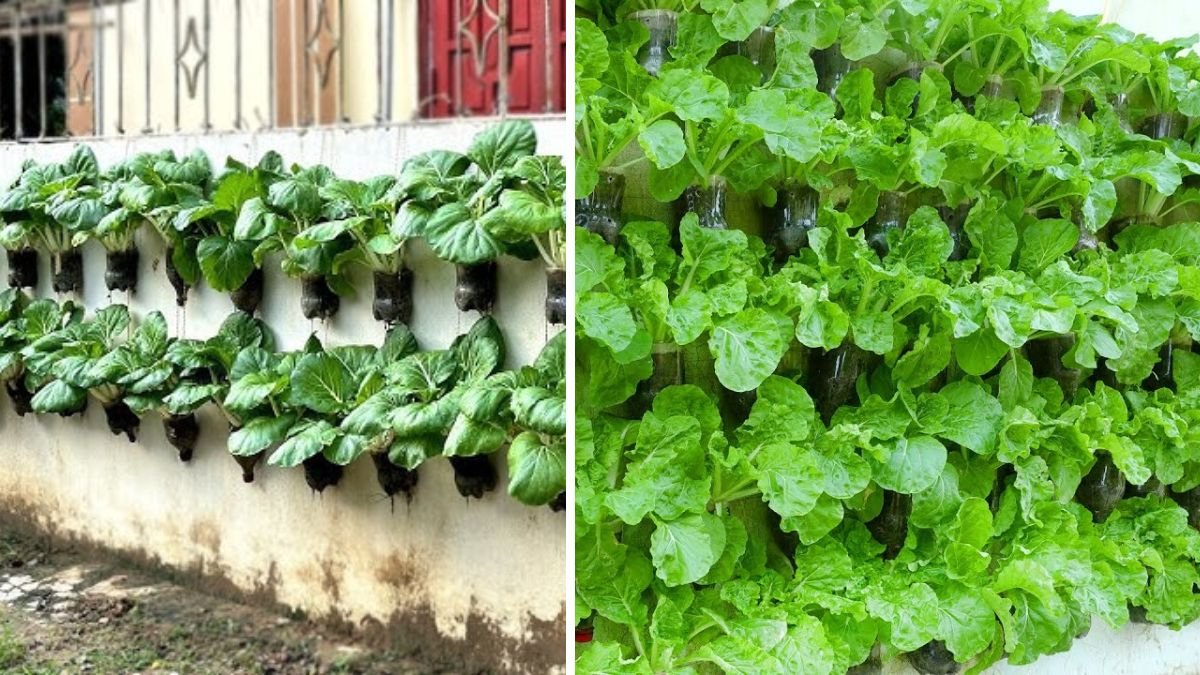
You don’t need a backyard to grow fresh vegetables — your wall can become your garden. Urban living, space constraints, and growing interest in sustainable food production have made vertical gardening a popular trend. By growing upwards instead of outwards, small walls, balconies, fences, and terraces can yield lush, productive gardens that provide vegetables year-round.
Vertical gardening is more than a decorative idea. With the right setup, it allows families, apartment dwellers, and urban gardeners to grow herbs, leafy greens, and even fruiting vegetables in compact spaces. Modern systems, from modular planters to pocket planters and climbing trellises, make vertical gardening both accessible and rewarding. (almanac.com)
Recent trends show that people are increasingly turning unused walls into productive food-growing spaces, combining aesthetic appeal with practicality. (realsimple.com)
Why Vertical Gardening Is Gaining Popularity
Traditional gardening requires space that many urban homes lack. Vertical gardening solves this by using walls, fences, and frames to grow vegetables upward. Benefits include:
- Maximizing limited space: Even a small wall can grow dozens of plants.
- Improved air circulation: Plants are less prone to fungal diseases and pests.
- Ease of harvesting: Vegetables are grown at eye level, making maintenance simpler. (livingetc.com)
- Aesthetic appeal: A green wall adds life and color to small urban spaces.
Vertical vegetable gardens, sometimes called “living walls” or “vertical allotments,” use trellises, pocket planters, stacked containers, and modular systems. This approach makes gardening accessible to anyone, regardless of outdoor space. (rhs.org.uk)
Step-by-Step Guide to a Wall Vegetable Garden
1. Choosing the Right Wall
Select a wall that receives sufficient sunlight — ideally 6–8 hours per day. South- or west-facing walls retain heat and extend the growing season. Ensure the wall is structurally sound to support planters, trellises, or hanging systems. (rhs.org.uk)
2. Installing Support Structures
Vertical gardens need support for plants to grow upward. Options include:
- Trellises or mesh panels
- Wall-mounted planter pockets
- Ladder or pallet frameworks
- Hanging baskets
- Modular vertical planters
Climbing plants like beans and peas can be trained on trellises, while leafy greens and herbs can grow in pockets or stacked containers. (rhs.org.uk)
3. Selecting Vegetables for Vertical Growth
Not all vegetables are suitable for walls. Ideal choices include:
- Leafy greens: Lettuce, spinach, kale — lightweight and fast-growing. (gardentowerproject.com)
- Herbs: Basil, parsley, mint — perfect for upper pockets.
- Vining crops: Tomatoes, cucumbers, peas — climb trellises naturally.
- Compact crops: Radishes, peppers, strawberries — suitable for small containers.
Mixing different plant types ensures continuous harvesting and a visually appealing wall garden.
4. Soil and Watering
Vertical gardens dry out faster than ground-level beds, so use lightweight, well-draining soil. Consider self-watering pockets or drip irrigation systems to maintain consistent moisture. Regular fertilization with liquid or organic nutrients helps plants thrive. (homesandgardens.com)
5. Maintenance and Harvesting
Proper care ensures your wall remains productive:
- Monitor moisture daily, especially in warm weather.
- Feed regularly using organic fertilizers or compost tea.
- Prune and trim plants to maintain structure and encourage new growth.
- Harvest promptly to stimulate continuous production, particularly for leafy greens and herbs.
Vertical gardens can be surprisingly low-maintenance once established, making them ideal for busy urban households.
Creative Wall Garden Ideas
Pocket Planters
Fabric or felt pockets attached to the wall can hold multiple plants, allowing rows of greens, herbs, and small vegetables. Pocket planters are inexpensive, easy to install, and ideal for beginners. (livingetc.com)
Trellises and Climbing Systems
Wire mesh or trellises support vining crops like beans, peas, and cucumbers. They also add visual structure to the garden and maximize vertical space. (rhs.org.uk)
Stackable Containers
Modular, stackable pots allow deeper-rooted vegetables to grow on walls while saving space. These systems make harvesting easier and create multi-layered planting designs. (bluestem.ca)
Living Green Walls
Living wall panels with integrated irrigation create a lush, dramatic backdrop while growing edible plants. These systems are perfect for combining aesthetics with productivity. (homesandgardens.com)
Benefits of a Vertical Wall Vegetable Garden
Vertical gardening offers numerous advantages:
- Space optimization: Grow more food per square foot than traditional beds. (almanac.com)
- Higher yields: Multi-level planting increases productivity.
- Aesthetic appeal: Creates a green, vibrant wall for indoor or outdoor spaces.
- Accessibility: Plants grown at eye level are easier to care for and harvest.
- Environmental benefits: Green walls can cool the surrounding area and improve air quality.
Vertical gardening also encourages sustainability by allowing households to grow fresh produce and reduce grocery waste.
Authoritative Sources for Reference
- Royal Horticultural Society – Vertical Veg on Walls: Practical guidance for edible wall gardens. (rhs.org.uk)
- Old Farmer’s Almanac – Vertical Gardening Tips: DIY and planning advice for small spaces. (almanac.com)
- Ideal Home – Vegetables for Vertical Gardens: List of crops that thrive upward. (idealhome.co.uk)
- Livingetc – Vertical Allotments: Inspiration and trend analysis for urban edible walls. (livingetc.com)
These sources add credibility, demonstrate feasibility, and provide additional guidance for DIY enthusiasts.
Conclusion
A lush, productive vegetable garden doesn’t require a backyard — just a wall and the right plan. Vertical gardening transforms small or unused spaces into edible oases, yielding fresh vegetables and herbs year-round. By choosing a sunny wall, installing support structures, selecting suitable plants, and maintaining proper care, anyone can enjoy the benefits of a thriving wall garden.
Vertical gardening maximizes space, increases yields, beautifies your home, and makes fresh produce accessible to urban families. In 2026, look up — your wall garden can be the next big addition to your home! 🌿