Why Grow Strawberries at Home?
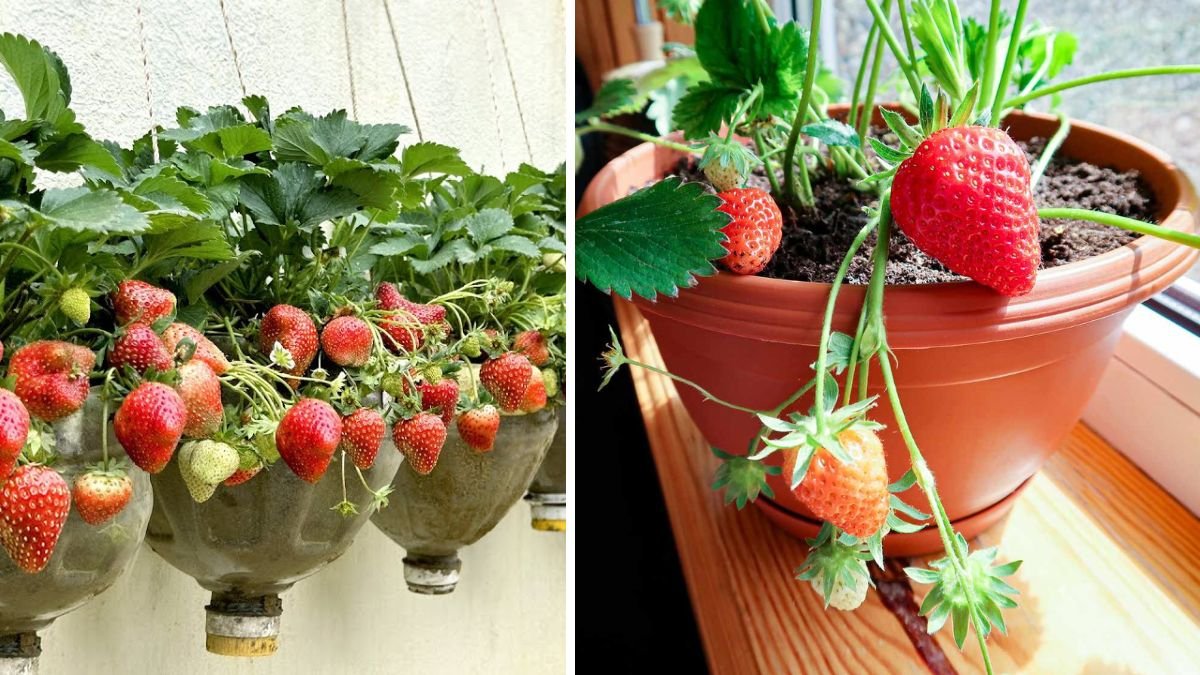
Strawberries are among the most popular fruits worldwide — sweet, juicy, and packed with vitamins, fiber, and antioxidants. Many people assume strawberries need a garden bed to thrive, but recent urban gardening trends show this is not true. You can successfully grow strawberries in pots, containers, hanging baskets, or even indoors on a windowsill or balcony. This makes [FOCUS KEYWORD] an ideal option for anyone with limited outdoor space.
Homegrown strawberries are fresher, more flavorful, and healthier than store-bought ones. By controlling the soil, water, and sunlight, you can produce delicious fruit year-round. Even small container setups can yield enough berries to supplement your meals, smoothies, or desserts. (bhg.com)
Best Ways to Grow Strawberries Without a Garden
1. Choose the Right Space and Light
Strawberries thrive in bright sunlight, ideally receiving 5–6 hours of direct sun daily. If natural sunlight is insufficient, grow lights can be used to support flowering and fruiting.
Ideal locations include:
- Balcony or terrace
- Window sills
- Patio steps
- Indoor ledges with south- or west-facing light
Even limited outdoor spaces can produce a productive harvest if sunlight is optimized. (moneycontrol.com)
2. Use Containers, Pots, or Hanging Baskets
Strawberries adapt well to containers:
- Standard pots (10–12 inches deep) accommodate one or two plants.
- Hanging baskets save space and reduce pests.
- Stacked containers or raised beds are ideal for multiple plants. (thespruce.com)
Container gardening allows control over soil quality, drainage, and spacing, all of which are crucial for healthy strawberry plants. (seasol.com.au)
3. Soil and Potting Mix That Works
Strawberries prefer nutrient-rich, well-draining soil. An ideal potting mix should include:
- Compost or organic matter for nutrients
- Perlite or coco coir for aeration
- Balanced fertilizer support
Avoid heavy clay or compacted soil. Mixing worm castings or additional compost into store-bought potting soil improves fertility and moisture retention. (bhg.com)
4. Watering Made Simple
Consistent moisture is essential, but overwatering can lead to root rot. Tips for proper watering include:
- Check soil before watering — keep it moist, not soggy
- Water deeply but infrequently
- Mulch with straw or dry leaves in containers to maintain even moisture and keep berries clean (seasol.com.au)
5. Feeding and Fertilizing
Strawberry plants benefit from regular feeding:
- Balanced fertilizers support initial growth
- Organic liquid fertilizers or compost tea every 4–6 weeks maintain nutrient levels
- Slow-release fertilizers prolong productivity
Avoid over-fertilizing with nitrogen, which can promote leafy growth at the expense of fruit. (moneycontrol.com)
Seasonal Tips and Climate Considerations
Strawberries are cool-season crops. In hotter climates, provide partial shade during the hottest part of the day. In colder areas, container plants can be moved indoors or to a sheltered location. Mulching and protection from frost ensure productivity in off-seasons. (moneycontrol.com)
Succession planting every 2–3 weeks allows a continuous harvest throughout the growing season. This is particularly useful for small container setups, where space may limit the number of plants. (bademiya.org)
Pest and Disease Management
Even in containers, strawberries can face pests:
- Aphids and mites: Treat with neem oil or mild insecticidal soap
- Slugs and snails: Raised containers or hanging baskets reduce risk
- Fungal issues: Avoid overhead watering, ensure good airflow
Regular inspection prevents minor problems from escalating. (thewoksoflife.com)
Harvesting Your Strawberries
Strawberries are ready when fully red and firm. Regular harvesting encourages continuous flowering and fruiting.
Smaller berries ripen first, followed by larger ones over several days. Picking at peak ripeness ensures maximum sweetness and flavor, often surpassing store-bought fruit. (thebetterindia.com)
Culinary Uses
Fresh strawberries are versatile:
- Smoothies and fruit salads
- Homemade jams and preserves
- Yogurt and cereal toppings
- Desserts and cakes
Homegrown strawberries enhance taste and nutrition, providing fresher, chemical-free produce than supermarket options.
Key Tips for Ongoing Success
✔ Choose a bright, sunny spot or supplement with grow lights
✔ Use quality, well-draining potting mix
✔ Keep soil evenly moist, avoid overwatering
✔ Fertilize lightly and regularly
✔ Harvest ripe berries to encourage new growth
By following these steps, [FOCUS KEYWORD] becomes achievable and enjoyable even for beginners.
Recommended Authoritative Sources
- The Spruce – How to Grow Strawberry Plants in Pots: Practical container growing advice. (thespruce.com)
- Moneycontrol – Indoor gardening strawberry tips: Light and watering guidance for containers. (moneycontrol.com)
- The Better India – Step-by-step strawberry growing: Detailed steps from soil to harvest. (thebetterindia.com)
- Times of India – Pot growing guide: Local tips for homegrown strawberries. (timesofindia.indiatimes.com)
Final Thoughts
You don’t need a garden to enjoy juicy, homegrown strawberries. With pots, containers, or even indoor setups, [FOCUS KEYWORD] is simple, practical, and rewarding. By providing adequate light, well-draining soil, consistent moisture, and proper care, anyone can grow strawberries at home — making every bite sweeter and healthier.