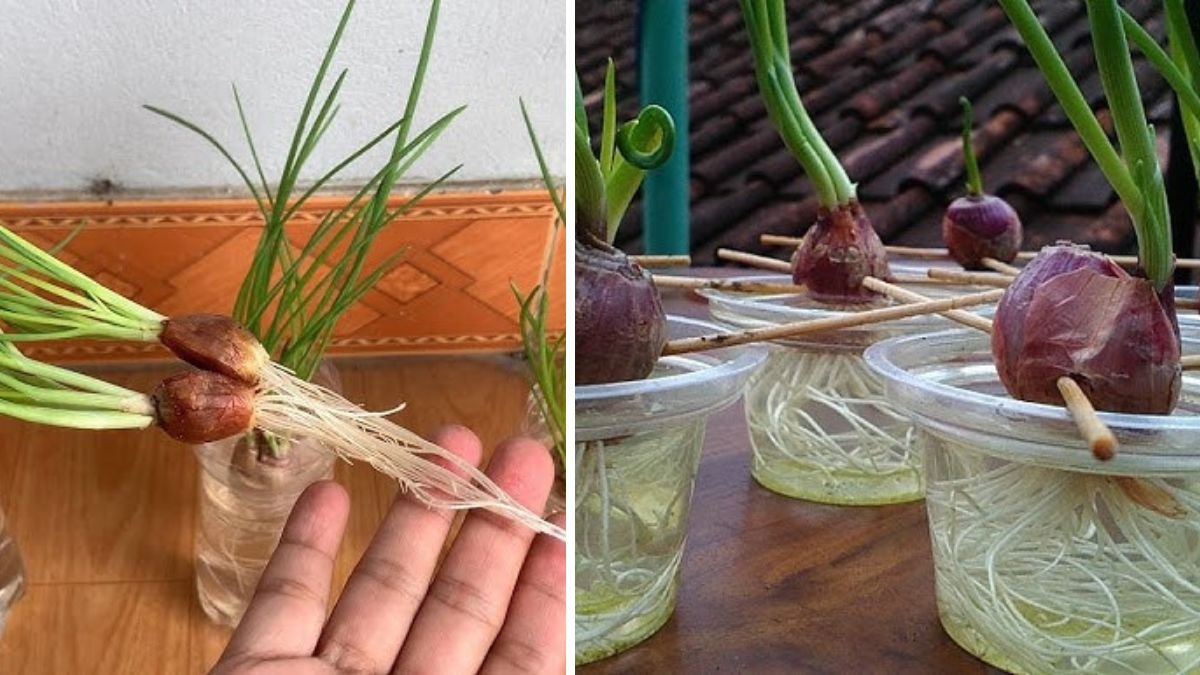
Onions are a staple in kitchens around the world, but growing them at home can seem challenging if you don’t have a garden. The good news is that recent urban gardening trends make it possible to grow onions using just a few small plastic bottles. This method is cost-effective, space-saving, and perfect for apartments, balconies, or window sills. With minimal effort, you can enjoy fresh, homegrown onions right in your living space.
This guide will walk you through everything you need to know about [FOCUS KEYWORD], from the benefits and materials needed to step-by-step planting, care, and harvesting tips.
Why Grow Onions in Plastic Bottles?
Plastic bottle gardening has gained popularity as a sustainable and practical solution for urban spaces. It repurposes waste bottles, reduces environmental impact, and allows fresh vegetable cultivation without traditional soil beds. Onions, in particular, are excellent candidates for this method because they are compact, easy to grow, and produce high yields in small containers.
There are several reasons why growing onions in plastic bottles is so appealing:
- Space-saving: You don’t need a garden; bottles fit on balconies, shelves, or windowsills.
- Cost-effective: Small bottles are inexpensive or free, and you can reuse them season after season.
- Continuous harvest: Onions can be planted successively for a steady supply throughout the year.
- Easy setup: No heavy tools or large soil beds required.
A recent example from Bangladesh highlights a farmer who successfully grew onions in bottles, achieving impressive results with minimal space and resources. This approach inspires urban gardeners to try bottle cultivation at home.
Materials You’ll Need
Before you start, gather the following items:
- Small plastic bottles (1–2.5 liters work best)
- Onion bulbs or green onion cuttings
- High-quality potting soil enriched with compost
- Water
- Knife or scissors to cut bottles
- Sunny location or grow lights for indoor setups
Optional: mulch, slow-release fertilizer, and small stakes for larger onion varieties.
Step-by-Step Guide to Growing Onions in Plastic Bottles
1. Prepare the Bottles
Start by cleaning your bottles thoroughly. Cut off the top section to create a wide opening for planting. Punch small drainage holes in the bottom to prevent waterlogging. Some gardeners also create side holes for shoots to grow out, allowing more room for onion tops. Proper drainage is critical to avoid root rot and ensure healthy plant growth.
2. Fill with Soil and Compost
Mix potting soil with compost or organic fertilizer to enrich it with nutrients. Fill the bottle about halfway with this mixture. The soil should be light enough to allow roots to penetrate but nutrient-rich to support growth. This combination ensures your onions have the food they need to form healthy bulbs.
3. Plant Onion Bulbs or Cuttings
Position onion bulbs with roots facing downward and bulbs just above the soil line. If using green onion cuttings, insert the cut end into the soil, making sure roots are covered. Continue filling the bottle gently until the roots are fully supported, but avoid burying the shoots.
4. Watering and Sunlight
Water the soil lightly until it is evenly moist but not soggy. Onions prefer consistently moist soil rather than wet conditions. Place your bottles in a location with at least 5–6 hours of direct sunlight daily. If you’re growing indoors, supplement with grow lights for consistent light exposure.
5. Ongoing Care
Monitor soil moisture regularly and water whenever the top layer feels dry. Rotate bottles periodically to ensure even light distribution if indoors. Fertilize lightly every few weeks with compost tea or organic fertilizer to replenish nutrients.
Keep an eye out for pests like onion flies or aphids, which can occasionally appear even in container setups. Organic solutions like neem oil or gentle insecticidal sprays work well for control.
Tips for Maximum Onion Growth
To optimize your results:
- Use uniform bottle sizes: This helps maintain consistent soil moisture and nutrient levels.
- Mulch: Applying straw or coconut coir helps retain moisture and regulate soil temperature.
- Planting density: Avoid overcrowding. One to two bulbs per small bottle is ideal for optimal bulb development.
- Rotate bottles: Moving them slightly ensures even growth and prevents leaning toward the light source.
- Regular feeding: Onions are heavy feeders. Adding compost or slow-release fertilizer every few weeks encourages larger bulbs.
Harvesting Your Onions
Onions grown in bottles usually take several weeks to months to mature, depending on the variety and environmental conditions. The bulbs are ready when the tops begin to yellow and the bulbs feel firm to the touch. Cut the heads at the base, leaving the outer leaves intact. You can store harvested onions in a cool, dry place or use them immediately in your cooking.
If you used green onions, harvest individual stalks as needed for salads, garnishes, or cooking. New shoots may continue to grow, giving you multiple harvests from the same bottle.
Sustainability and Safety Considerations
While bottle gardening is practical and eco-friendly, there are a few considerations:
- Plastic safety: Prefer BPA-free or food-grade bottles to avoid chemical leaching into soil and plants.
- Sun exposure: Plastic exposed to prolonged sunlight can degrade, so replace bottles periodically.
- Environmental impact: Reusing bottles reduces waste, but always consider proper disposal or recycling after long-term use.
These steps ensure that your homegrown onions are safe, healthy, and environmentally responsible.
Expert Insights
Experts in urban agriculture praise plastic bottle gardening as an innovative way to bring gardening to small spaces. Reports from home gardeners show that this method yields flavorful onions comparable to traditional soil beds when proper care is taken. Key factors for success include good drainage, nutrient-rich soil, consistent watering, and adequate sunlight.
Authoritative Sources for Reference
For more guidance, consider linking to credible sources:
- Prothom Alo: Real-world example of bottle-grown onions in Bangladesh (link)
- Apnaran.com: Sustainable urban farming using recycled bottles (link)
- Krishi Jagran: Step-by-step guide for growing green onions in containers (link)
Conclusion
Growing onions in small plastic bottles is a practical, cost-effective, and environmentally friendly way to enjoy fresh vegetables at home. [FOCUS KEYWORD] allows urban gardeners to cultivate flavorful onions even without a garden, balcony, or yard. With just a few bottles, potting soil, sunlight, and minimal maintenance, anyone can experience the satisfaction of harvesting their own onions.
This simple method not only provides a sustainable food source but also encourages creative reuse of materials, making it an ideal choice for eco-conscious urban dwellers. By following the step-by-step instructions, you’ll be well on your way to a homegrown onion harvest that rivals traditional gardens.