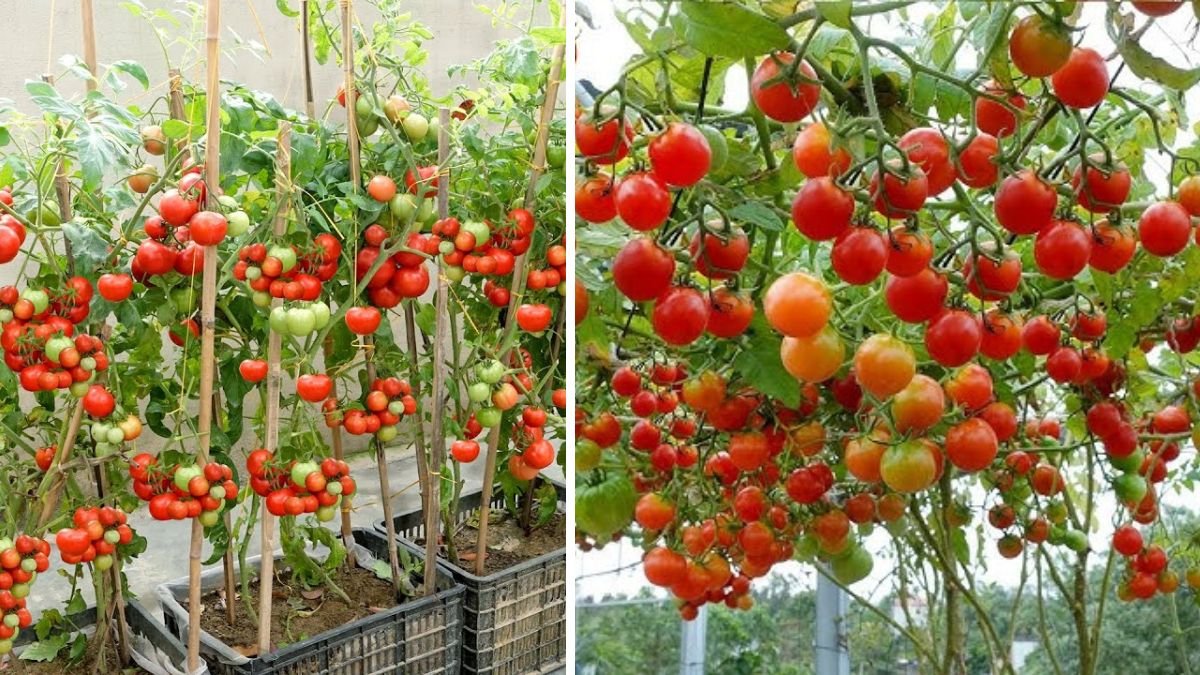
Tomatoes are one of the most popular and rewarding vegetables to grow at home. They’re versatile, flavorful, and packed with nutrients, making them a staple in cuisines around the world. Many gardeners, however, assume that producing a plentiful harvest requires a large backyard or greenhouse. The truth is that with the right varieties, proper care, and smart techniques, anyone can enjoy growing tomatoes at home with bountiful fruit and a fast harvest, even in small spaces like balconies or patios.
This guide covers proven strategies to boost yield, accelerate ripening, and ensure healthy, productive tomato plants throughout the season.
Why Growing Tomatoes at Home Is So Popular
Urban gardening is on the rise, as more households seek fresh produce without relying on store-bought vegetables. Tomatoes, in particular, are well-suited for home cultivation because they are relatively easy to care for and highly productive.
Even small spaces can support tomato growth if the plants receive sufficient sunlight, nutrients, and water. Recent gardening trends emphasize that selecting the right variety and following proper care techniques can dramatically increase both fruit quantity and quality. (Homes & Gardens, 2025)
Growing tomatoes at home offers several benefits:
- Space-efficient: Ideal for containers, pots, or small plots.
- Cost-effective: Produces a steady supply of fresh, ripe tomatoes.
- Nutritional advantage: Provides higher flavor and nutrient content than many store-bought options.
- Beginner-friendly: Requires minimal tools and basic gardening skills.
Choosing the Right Varieties for High Yield
The first step toward a bountiful harvest is selecting varieties known for high fruit production and early ripening. Certain tomato cultivars are bred for disease resistance and productivity, which ensures more fruit with less effort.
Popular high-yielding varieties include:
- Super Sweet 100: Produces abundant clusters of cherry tomatoes.
- Sungold: Sweet, golden fruits with heavy yields.
- Roma Grande: Excellent for sauces and canning, produces many fruits per plant.
🌟 Pro Tip: Decide between determinate (bush) and indeterminate (vining) varieties. Determinate tomatoes produce a single large harvest, while indeterminate types yield continuously throughout the season, often producing more total fruit. (Gardening Know How, 2025)
Sunlight and Soil: Key to Healthy Plants
Tomatoes are sun-loving and need at least 6–8 hours of direct sunlight daily. More sun means faster growth, stronger plants, and larger, juicier fruits. (Almanac, 2025)
Soil Preparation
Healthy soil is another critical factor. Tomatoes thrive in fertile, well-draining soil enriched with compost or aged manure. Aim for a slightly acidic soil pH between 6.2 and 6.8. Before planting, incorporate organic matter to improve water retention, nutrient content, and root development.
Deep Planting for Strong Roots
Plant seedlings deep enough so that the lower stems are buried. Tomatoes can grow roots along buried stems, leading to a stronger root system, better nutrient uptake, and higher fruit production.
Watering and Mulching
Consistent watering is essential. Tomatoes require deep, regular watering to keep roots healthy and prevent problems like blossom end rot or cracking. Water at the base of the plant rather than overhead to minimize disease risks.
Mulching helps retain soil moisture, suppress weeds, and regulate soil temperature. Straw, shredded leaves, or compost work well. Proper mulching and watering lead to healthier plants and more fruit. (The Busted News, 2025)
Supporting Plants for Better Fruit
Tomatoes can become heavy with fruit, especially indeterminate varieties. Stakes, cages, or trellises keep plants upright, improve airflow, and reduce disease risk. Good support also makes harvesting easier.
Pruning for Productivity
Pruning encourages plants to focus energy on fruit rather than excessive foliage. Remove suckers (small shoots growing in leaf axils) and prune lower leaves to increase sunlight exposure and airflow. This simple step can significantly increase fruit yield. (Lost Coast Plant Therapy, 2025)
Plant Spacing and Airflow
Proper spacing prevents overcrowding, which can limit nutrient access and increase disease susceptibility. For determinate varieties, 18–24 inches between plants is ideal; for indeterminate varieties, 24–36 inches ensures good airflow. Healthy spacing allows leaves and fruit to dry faster, reducing fungal issues and supporting maximum yield.
Tips for Faster Harvest
If you want early fruit, consider these strategies:
- Plant early-maturing varieties that produce in 50–60 days.
- Warm the soil before planting to accelerate seedling growth.
- Ensure full sun exposure and avoid planting too early in cold soil.
- Stagger plantings to have some plants mature earlier while others continue producing.
These methods promote quicker fruiting and longer productive periods. (Real Simple, 2025)
Common Mistakes to Avoid
- Overcrowding plants: Limits airflow and sunlight, reducing yields.
- Cold soil planting: Slows growth and delays flowering.
- Watering foliage: Increases risk of fungal diseases such as blight and leaf spot.
Avoiding these mistakes ensures healthier plants and a more abundant harvest.
Expert Gardening Sources
- Old Farmer’s Almanac – Tips for Growing Tomatoes: Planting, spacing, and care guidance (almanac.com)
- Homes & Gardens – Increase Tomato Yields: Practical high-yield strategies (homesandgardens.com)
- Gardening Know How – Tomato Yield Tips: Proven methods to maximize harvest (gardeningknowhow.com)
Final Thoughts
Growing tomatoes at home can be both fun and rewarding. By selecting the right varieties, preparing fertile soil, providing ample sunlight, watering consistently, supporting plants, and pruning appropriately, you can enjoy more fruits and a faster harvest.
Even in small spaces, containers, raised beds, or trellises can support productive tomato plants. Follow these tips, avoid common mistakes, and you’ll have fresh, juicy tomatoes from your home garden all season long. With proper care, homegrown tomatoes will not only taste better than store-bought ones but also provide the satisfaction of nurturing a thriving plant from seed to harvest.