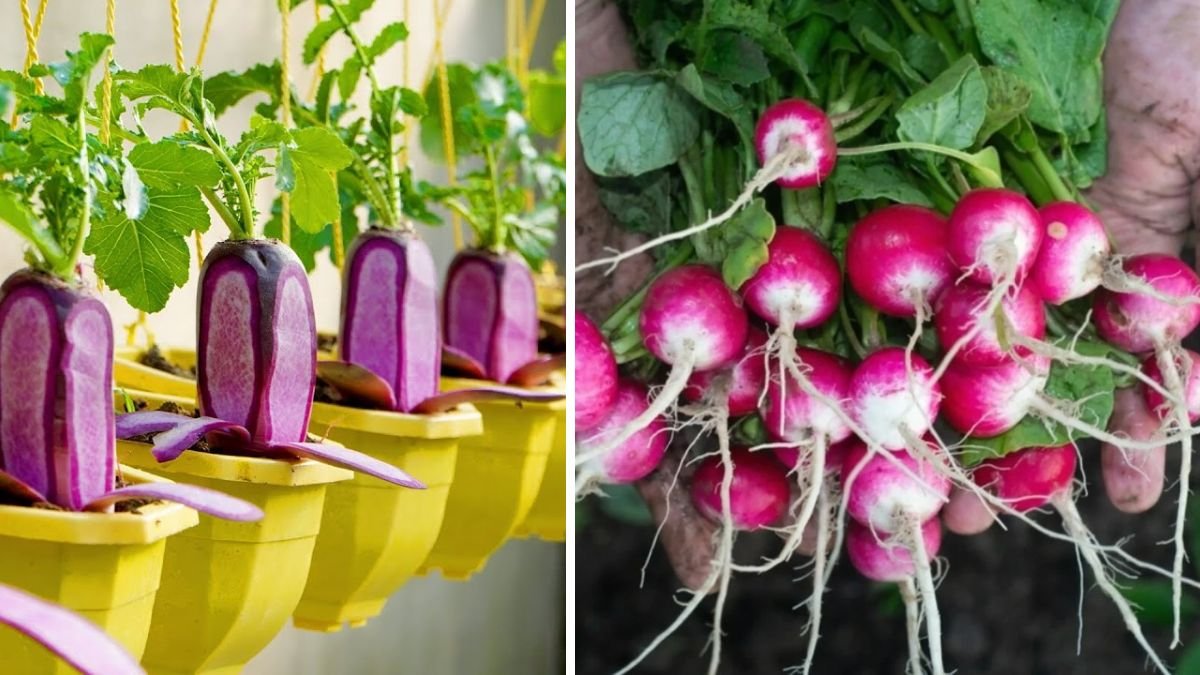
Radishes (Raphanus sativus) are among the most vibrant and fast-growing vegetables you can grow at home. Among them, pink radishes stand out for their stunning appearance, crisp texture, and mild, slightly sweet flavor. If you’ve ever wondered how to grow radishes that are both visually striking and delicious, you’re about to discover why growing pink radish is very special, very beautiful, and very rewarding.
Pink radishes, like the popular Watermelon radish, feature a pale green exterior and a striking pink interior. This eye-catching contrast makes them perfect not only for salads and garnishes but also as a centerpiece for culinary presentations. Rich in antioxidants such as anthocyanins and carotenoids, they are not just beautiful—they’re also incredibly nutritious, supporting healthy digestion and providing immune-boosting vitamin C.
This guide will walk you through every step of cultivating pink radishes at home, from choosing the best varieties to soil preparation, planting, care, harvesting, and storage.
Why Pink Radishes Are Special
Growing pink radishes is more than just producing a root vegetable—it’s a visual and culinary experience. Here’s why this crop is considered very special:
- Quick growth: Most radish varieties mature within 3 to 7 weeks, allowing you to enjoy rapid results.
- Aesthetic appeal: Their vibrant pink interior contrasts beautifully with the green or pale exterior, making them a striking addition to garden beds and plates.
- Beginner-friendly: Radishes are relatively easy to grow, requiring minimal space, simple care, and few nutrients compared to other crops.
Their speed of growth and colorful appearance make them ideal for both home gardeners and culinary enthusiasts who want a fresh, edible, and decorative addition to their meals.
Choosing the Right Pink Radish Variety
The first step in a successful harvest is choosing the correct variety. Some varieties produce small, salad-ready radishes, while others grow larger and more ornamental. Popular pink radish varieties include:
- Watermelon Radish: Pale green skin with a vivid fuchsia interior, ideal for salads or pickling.
- Pink Beauty: Compact roots with a bright pink interior, perfect for container gardening.
- Other Ornamental Types: These can vary in size, shape, and intensity of pink coloration depending on the seed supplier.
Selecting the right variety ensures both optimal flavor and stunning visual impact.
Soil Preparation for Pink Radishes
Pink radishes thrive in fertile, well-drained, and loose soil. Root crops like radishes need room to expand, so compact or clay-heavy soil can result in misshapen roots. Key soil tips include:
- Loosen soil to a depth of at least 12 inches to allow the roots to grow straight and unimpeded.
- Incorporate organic matter, such as compost or well-rotted manure, to improve fertility and moisture retention.
- Maintain slightly acidic to neutral pH (6.0–7.0) to optimize nutrient uptake.
Good soil preparation ensures radishes develop fully, remain tender, and display vibrant pink coloring inside.
Planting Pink Radishes
Pink radishes are best grown in cooler weather. Warm conditions can cause them to bolt or develop a woody texture. Consider these planting strategies:
- Timing: Plant in early spring or late summer for a fall harvest to avoid hot weather.
- Sowing Depth: Plant seeds about ½ inch deep.
- Spacing: Sow seeds about 1 inch apart, then thin seedlings to 3–4 inches apart once roots start to form.
- Row Spacing: Keep rows 10–12 inches apart to prevent overcrowding and allow proper root development.
For continuous harvests, practice succession planting by sowing new seeds every one to two weeks.
Sunlight and Watering Requirements
Pink radishes need consistent care to achieve their full beauty:
- Sunlight: Provide 6–8 hours of direct sunlight daily for optimal growth and color development.
- Watering: Keep soil evenly moist. Overwatering can cause rot, while under-watering can produce tough, bitter roots.
- Mulching: Mulch helps retain soil moisture, regulate temperature, and suppress weeds, all of which contribute to tender, flavorful roots.
Maintaining consistent moisture levels ensures sweet, crisp radishes with vivid pink interiors.
Caring for Your Pink Radish Crop
Even though radishes are low-maintenance, some care practices help maximize yield and quality:
- Thinning: Remove crowded seedlings to give each radish enough space to grow, producing smooth, round roots.
- Weeding: Keep the bed free from weeds to prevent competition for nutrients and water.
- Pest Management: Watch for common pests like flea beetles and root maggots. Organic solutions include row covers, handpicking, and neem oil applications.
- Fertilization: Light feeding with a balanced organic fertilizer or compost during growth ensures vibrant color and healthy roots.
Proper care prevents misshapen or stunted roots and keeps the radishes visually appealing.
Harvesting Pink Radishes
Pink radishes mature quickly—small salad types in 3–4 weeks and larger ornamental types in 6–8 weeks. Harvesting at the right time is critical to achieving the sweetest flavor and brightest color.
- Check for size: When the shoulder of the radish begins to show above the soil, gently pull one to assess its size.
- Firmness: Roots should feel firm and dense. Soft or overly large radishes may be woody.
- Harvest promptly: Leaving radishes in the soil too long can reduce color intensity and flavor.
For best results, harvest in the morning when roots are crispest.
Storing and Using Pink Radishes
Once harvested, pink radishes can be stored for several weeks in a cool, humid environment. Keep them in the refrigerator’s crisper drawer for optimal freshness.
- Culinary Uses: Slice raw for salads, add to slaws, roast, or pickle for vibrant side dishes.
- Visual Appeal: The dramatic pink interior makes them ideal for garnishing dishes or creating layered vegetable displays.
Their quick growth, combined with versatility in the kitchen, makes pink radishes an essential crop for home gardeners.
Why Pink Radishes Are Worth Growing
Growing pink radishes at home is rewarding for several reasons:
- Speed: Harvest in as little as three weeks, making them perfect for instant gratification gardening.
- Beauty: Their bright pink color adds a pop to any garden bed or plate, making them “very beautiful.”
- Nutrition: Rich in antioxidants, fiber, and vitamin C, they contribute to a healthy diet.
- Simplicity: Suitable for beginners, requiring minimal gardening experience.
By combining aesthetic appeal with nutritional benefits and ease of cultivation, pink radishes are truly special.
Suggested Authoritative Sources
For more detailed information and guidance:
- Royal Horticultural Society (RHS) – Grow Your Own Radishes: https://www.rhs.org.uk/vegetables/radishes/grow-your-own
- Organic India Seeds – Watermelon Radish Guide: https://www.organicindiaseeds.com/blogs/news/the-complete-guide-to-growing-watermelon-radish-in-your-home-garden
- Wikipedia – Radish: https://en.wikipedia.org/wiki/Radish
These sources provide expert advice, detailed planting instructions, and information on radish varieties and care.
Final Thoughts
Growing pink radishes at home is more than just cultivating a vegetable—it’s an opportunity to enjoy something very special, very beautiful, and very rewarding. With fast growth, vibrant color, and crisp flavor, they’re ideal for gardeners seeking quick results and culinary creativity. By selecting the right variety, preparing the soil carefully, and providing consistent care, you can harvest radishes that will impress both the eyes and the palate.
Whether planted in garden beds, raised boxes, or containers, pink radishes are a practical, decorative, and nutritious addition to any home garden. Start planting today, and enjoy the vibrant, crisp results in just a few weeks!