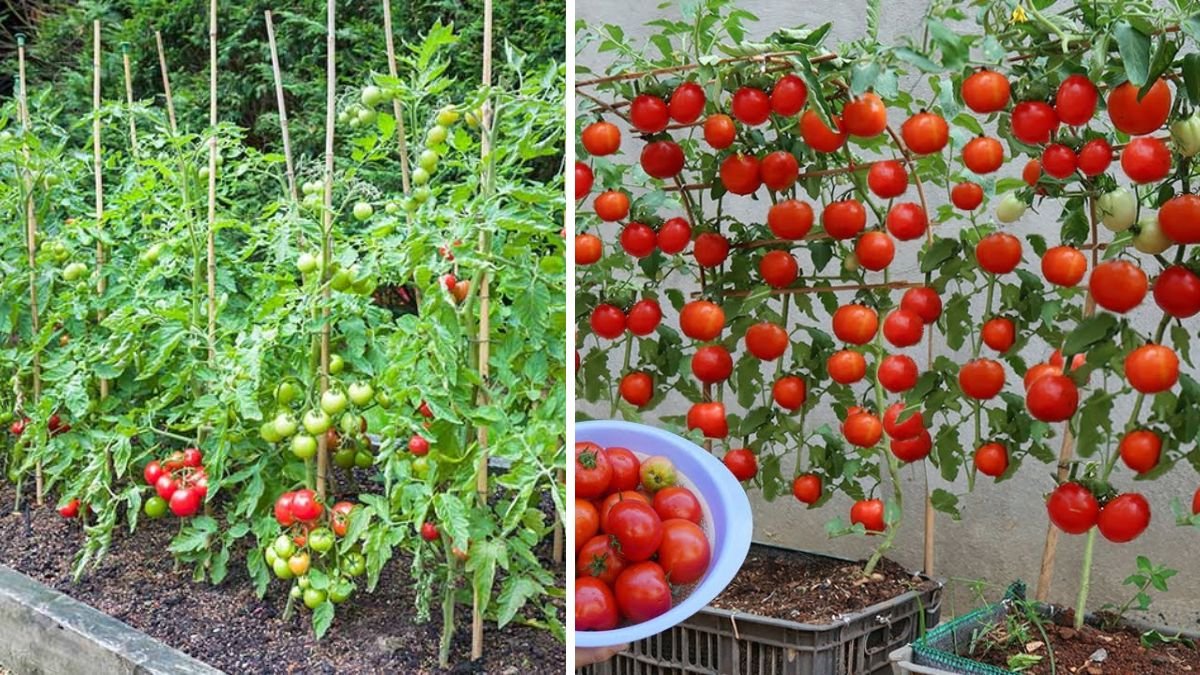
Tomatoes are one of the most popular vegetables to grow at home. Juicy, versatile, and packed with nutrients, they are staples in salads, sauces, and countless dishes. Traditionally considered a warm-season crop, many gardeners believe tomatoes can only thrive during summer months. However, with modern techniques and the right care, it’s entirely possible to grow tomatoes out of season at home, producing a lot of fruit with minimal effort. This method, encapsulated in [FOCUS KEYWORD], allows home gardeners to enjoy fresh, homegrown tomatoes year-round.
Recent advances in indoor gardening, greenhouse setups, and off-season cultivation techniques make it easier than ever to grow tomatoes when outdoor temperatures are low. With the right environmental controls, supplemental lighting, and smart plant management, you can have a continuous supply of ripe, flavorful tomatoes.
Why Grow Tomatoes Out of Season?
Extending your tomato-growing season offers numerous benefits. First, it ensures access to fresh tomatoes year-round, even when local grocery stores are out of stock. Second, growing off-season allows you to control environmental factors like temperature, light, and soil quality, which often improves flavor and yield. Third, it’s a great way to maintain a constant source of nutrients; tomatoes are rich in vitamin C, potassium, and antioxidants, making them a healthy addition to your diet all year.
Additionally, staggered plantings and controlled environments help you harvest multiple crops in one year, providing both culinary satisfaction and gardening enjoyment. Homegrown tomatoes also reduce reliance on store-bought produce, which may have traveled long distances and lost freshness.
Planning Your Out-of-Season Tomato Garden
Growing tomatoes out of season successfully requires careful planning. The key is to create ideal growing conditions that mimic the warmth, light, and moisture of their natural season.
Choosing the Right Growing Environment
Indoor Growing: Growing tomatoes indoors is ideal for off-season production. Tomatoes require 12–16 hours of bright light daily, which can be natural sunlight supplemented with LED grow lights. Indoor growing also protects plants from frost, pests, and extreme weather, ensuring consistent fruiting.
Greenhouse Production: A greenhouse extends the growing season by shielding plants from cold nights and frost. Maintain daytime temperatures of 20–27°C (68–80°F) and nighttime temperatures above 13°C (55°F) for optimal growth and fruit set.
Containers and Sheltered Outdoor Spaces: If you lack a greenhouse, sturdy containers placed in a sunny, sheltered area can also support off-season tomato growth, provided temperatures remain moderate.
Temperature and Light Management
Tomatoes are tropical plants that thrive in warmth and sunlight. Insufficient light or low temperatures can result in lush foliage but poor flowering and fruiting. Using supplemental LED lighting indoors for 14–18 hours per day encourages flowering and fruit set. Maintaining stable temperatures, especially during flowering, prevents flower drop and ensures abundant fruit.
Soil and Fertilization
Tomatoes prefer well-draining, nutrient-rich soil. Indoor or container setups require high-quality potting mix. Regular watering is crucial, but avoid waterlogging, which can cause root rot and other diseases. Fertilize with a balanced nutrient mix during early growth, then switch to a formula higher in phosphorus when flowers appear to promote fruit development. This method ensures plants focus energy on producing fruit rather than excessive leafy growth.
Selecting the Right Tomato Varieties
Not all tomatoes are suitable for off-season growing. For home gardeners seeking ease and productivity, consider the following types:
- Dwarf or Patio Varieties: Compact plants ideal for indoor containers and small spaces.
- Determinate Varieties: Bush-type tomatoes that produce fruit over a short period, perfect for limited-space setups.
- Cherry Tomatoes: Fast-growing, prolific, and forgiving, cherry tomatoes thrive indoors and produce abundant harvests.
Choosing the right variety is key to ensuring consistent fruiting and minimal maintenance during off-season cultivation.
Techniques for Maximum Fruit Production
Even in controlled environments, specific strategies can help you maximize fruit yield and make growing tomatoes easy:
Pollination
Indoors or in greenhouses, natural pollinators like bees are often absent. Encourage fruit set by gently shaking flowers or using a small fan to distribute pollen. This mimics natural pollination and ensures flowers develop into fruit.
Pruning
Remove excess suckers — shoots that grow between the main stem and leaves — to redirect energy toward fruit production. Strategic pruning promotes larger, healthier tomatoes and prevents overcrowding.
Temperature Consistency
Maintain stable temperatures during the day and night. Avoid letting nighttime temperatures drop below 13°C (55°F), as cold stress can hinder flowering and fruit set. Consistency is key to producing healthy, abundant fruit.
Continuous Planting
For a steady supply, rotate seedlings every 8–10 weeks. Even healthy plants may slow down after a few months of fruiting, so starting new plants ensures uninterrupted harvests.
Common Challenges and Solutions
Even with careful planning, gardeners may encounter issues when growing tomatoes out of season:
- Low Fruit Set: Often caused by inadequate pollination or suboptimal temperatures. Use fans, manual shaking, and supplemental lighting to encourage flowering.
- Excess Leaf Growth: Too much nitrogen promotes foliage at the expense of fruit. Adjust fertilizer to a phosphorus-rich mix during flowering.
- Pest or Disease Pressure: While indoor and greenhouse plants are protected from many pests, consistent monitoring and good hygiene prevent problems.
Addressing these issues promptly keeps your tomato plants productive and healthy, ensuring a bountiful harvest.
Benefits of Off-Season Tomato Growing
Growing tomatoes out of season at home offers numerous advantages:
- Freshness and Flavor: Homegrown tomatoes taste sweeter and more vibrant than store-bought ones.
- Nutrition: Off-season tomatoes retain vitamins, minerals, and antioxidants that may diminish during storage and transport.
- Year-Round Supply: Continuous harvests allow for consistent use in salads, sauces, and cooking.
- Controlled Environment: Reduced exposure to pests, harsh weather, and disease increases fruit quality.
- Gardening Satisfaction: Successfully growing tomatoes when others cannot is rewarding and educational.
Authoritative Sources
For gardeners looking to refine their off-season tomato cultivation, the following sources provide reliable guidance:
- GrowTomato.com – Indoor Tomato Growing Guide: Techniques for light, temperature, and pollination control. (growtomato.com)
- TomatoDirt.com – Winter Tomato Tips: Expert advice on watering, lighting, and pollination indoors. (tomatodirt.com)
- CropTheTomato.com – Greenhouse Growing Secrets: Professional tips for pruning, climate management, and maximizing fruit yield. (cropthetomato.com)
- Homes and Gardens – Step-by-Step Early Season Sowing: Strategies for starting seeds early and maintaining strong plants. (homesandgardens.com)
Conclusion: Achieving [FOCUS KEYWORD] Success
Growing tomatoes out of season at home is achievable with the right preparation, environment, and care. By focusing on [FOCUS KEYWORD], gardeners can enjoy a lot of fruit, year-round harvests, and minimal hassle. Whether you choose indoor setups, greenhouses, or protected containers, the key is maintaining warmth, light, water, and nutrient balance while supporting plants with pruning and pollination strategies.
From dwarf indoor varieties to cherry tomatoes, these techniques help you maintain a continuous supply of fresh, delicious, and nutritious tomatoes regardless of the season. With patience, consistent care, and the right environmental conditions, you can enjoy the unmatched satisfaction of homegrown tomatoes every month of the year. 🌱🍅