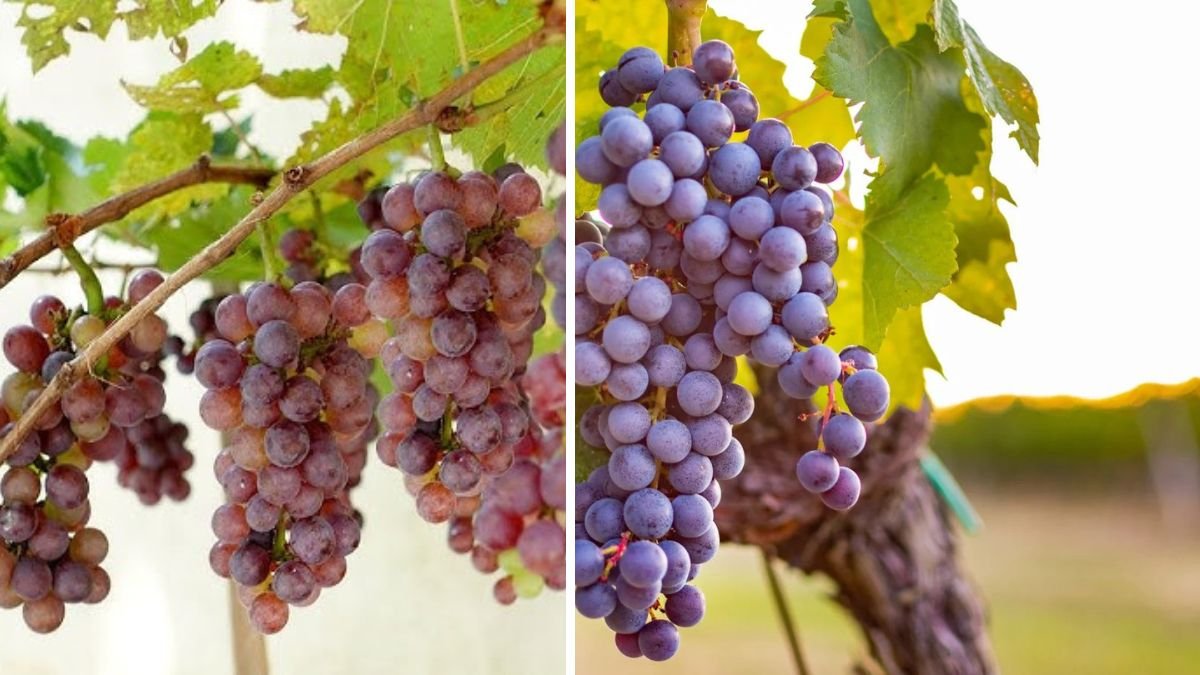
Growing grapes at home is a rewarding experience that combines beauty, flavor, and practicality. Whether you want fresh table grapes, homemade jams, juices, or even wine, cultivating grapevines in your backyard or garden is both fun and fruitful. With proper planning, care, and attention, even beginner gardeners can enjoy healthy, productive vines that yield sweet, juicy grapes year after year. (FOCUS KEYWORD)
This guide will walk you through every step—from selecting the right site and soil, to planting, watering, trellising, pruning, pest management, and harvesting—so that you can enjoy a thriving home grape vineyard.
Understanding Grapevines for Home Gardens
Grapevines (Vitis vinifera and hybrid varieties) have been cultivated for thousands of years. Traditionally grown in vineyards, many grape varieties are now well-suited to home gardens thanks to improved cultivars, compact-growing options, and easier care methods. Grapes are climbing plants, meaning they require a support structure such as a trellis, arbor, or pergola.
Grapevines need three essential conditions for success: sunlight, proper soil, and pruning for vine health. Recent research emphasizes long-term care, including pest management and nutrient balance, to ensure consistent fruit production. Today, home gardeners can grow grapes that rival those from commercial vineyards. (Times of India)
Choosing the Right Site and Soil
Full Sunlight Is Crucial
Grapevines require 6–8 hours of direct sunlight per day. Sunlight not only promotes photosynthesis for sweet grapes but also helps reduce fungal disease by keeping leaves and fruit dry.
Well-Drained Soil
Grapes prefer well-draining soil, such as sandy loam enriched with organic matter. A soil pH between 5.5 and 7.0 supports nutrient absorption and healthy growth. Before planting, test your soil and incorporate compost or aged manure to improve fertility and structure. (Gardening Know How)
Planting Grapevines
When to Plant
Plant grapevines in early spring after frost has passed. In warmer climates, fall planting can also work, provided the vines have time to establish roots before winter dormancy.
How to Plant
- Dig a hole twice as wide and deep as the root ball.
- Set the vine at the same depth it grew in its container.
- Backfill with amended soil and gently firm it around the roots.
- Water thoroughly to eliminate air pockets.
During the first year, consistent watering encourages strong root development, which is critical for long-term vine health. (Arbor Day Foundation)
Building Support: Trellis Systems
Grapevines are climbing plants, and support is essential for healthy growth and fruit production. A proper trellis allows air circulation, sunlight penetration, and easier maintenance.
Trellis Options
- Two-Wire Vertical Trellis: Simple and beginner-friendly.
- Arbor or Pergola: Ideal for shade and decorative purposes.
- Vertical Shoot Positioning (VSP): Maximizes fruit production for intensive cultivation.
Install the trellis before planting to prevent root damage. A sturdy trellis ensures that vines can grow vertically while supporting heavy fruit clusters. (EcoGardener)
Pruning for Success
Pruning is a vital practice that influences grape yield and quality. Proper pruning encourages sunlight into the canopy, removes old or weak wood, balances vegetative growth, and sets fruiting wood for the next season.
Key Pruning Tips
- Prune in late winter or early spring when vines are dormant.
- Remove old, damaged, or crowded canes.
- Select healthy canes to become the next season’s fruit-bearing wood.
Consistent pruning improves fruit quality, prevents disease, and allows better airflow through the canopy. (Better Homes & Gardens)
Watering and Feeding Grapevines
Watering
- First-year vines require 1 inch of water per week to establish roots.
- Once established, grapevines are drought tolerant but still benefit from deep watering during dry periods.
- Water at the root zone to reduce fungal disease risk.
Fertilization
- Apply a balanced fertilizer or compost in early spring.
- Avoid excess nitrogen, which encourages foliage over fruit.
- Phosphorus and potassium support flower and fruit development.
Correct watering and feeding practices directly affect grape sweetness and vine vigor. (American Gardener)
Pest and Disease Management
Grapes are susceptible to pests such as birds, aphids, and Japanese beetles. Common strategies include:
- Bird Netting: Protects ripening fruit.
- Fencing or Physical Barriers: Prevents damage from larger animals.
- Organic Pest Control: Neem oil or insecticidal soap for small infestations.
Fungal diseases, including powdery mildew and downy mildew, can be minimized through proper pruning, good air circulation, and root-zone watering. Regular monitoring is key to maintaining healthy vines. (HomeTips)
Pollination and Flowering
Most grape varieties are self-pollinating. However, bees and other pollinators can improve fruit set. Avoid pesticide use during flowering to protect pollinators, or consider hand pollination in smaller gardens. Proper pollination ensures large, evenly ripened grape clusters.
Harvesting Grapes
Grapes usually ripen in late summer to early fall. Signs that grapes are ready include:
- Rich, uniform color according to variety
- Plump, juicy texture
- Sweet flavor when tasted
Harvest carefully with scissors or shears to avoid damaging the vine. Grapes do not continue to ripen significantly after being harvested, so pick at peak maturity for the best flavor.
Storage and Use
- Store whole grapes at room temperature for short-term use.
- Refrigerate after cutting or washing.
- Use for fresh eating, jams, juices, desserts, or homemade wine.
Proper storage ensures grapes remain sweet, juicy, and safe to eat.
Expert Tips for Maximum Success
- Use black plastic mulch to retain soil moisture and control weeds.
- Rotate crops annually to prevent soil-borne disease.
- Maintain a gardening log to track vine growth, flowering, and harvest.
- Choose disease-resistant cultivars for better long-term results.
Following these small but crucial steps ensures a healthy, high-yielding home vineyard.
Authoritative Sources
- Gardening Know How – Comprehensive grape care guide.
- Arbor Day Foundation – Planting and maintenance instructions.
- Times of India Gardening Tips – Localized guidance.
- American Gardener – Sustainable watering and trellis tips.
These resources provide reliable, research-backed insights for home grape cultivation.
Final Thoughts
Growing grapes at home is both enjoyable and productive. By selecting the right site, preparing soil properly, installing support structures, pruning correctly, and managing pests and water efficiently, you can grow healthy vines that produce sweet, juicy grapes year after year. With consistent care, growing grapes at home can be fruitful and easy for everyone. (FOCUS KEYWORD)
Whether you are a beginner or an experienced gardener, following these guidelines will help you enjoy the beauty and bounty of your own backyard vineyard.