Why Grow Chili at Home?
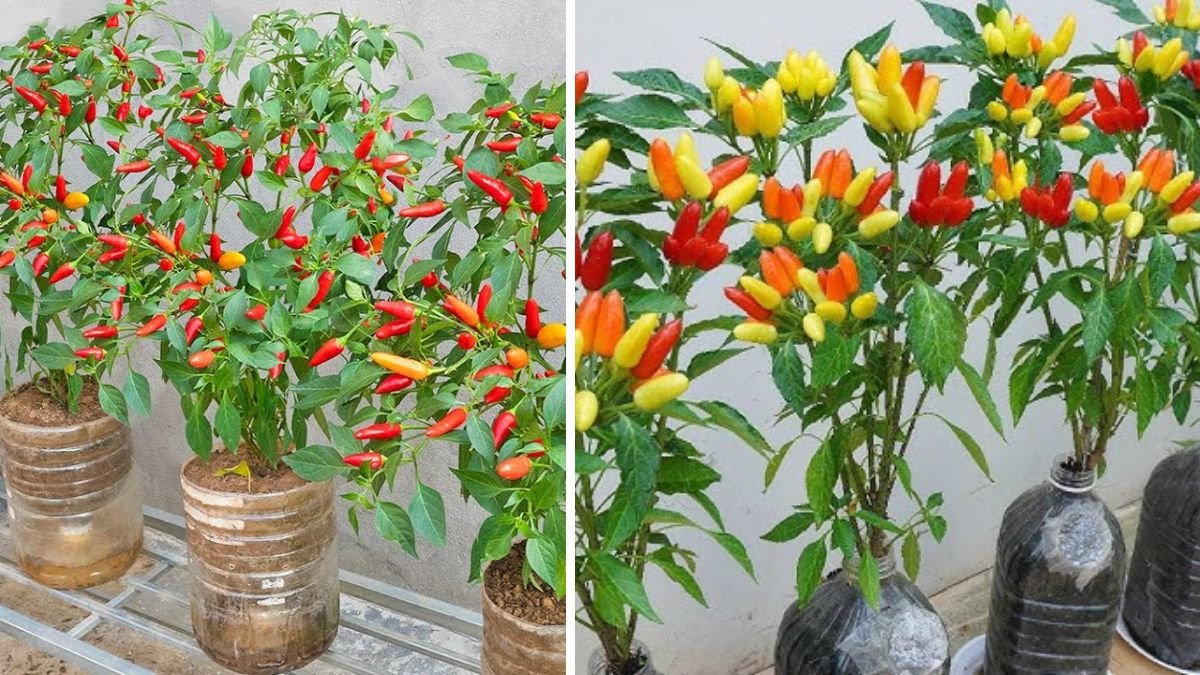
Chilies are not only delicious and versatile in the kitchen but also beautiful ornamental plants. Their vibrant green foliage and brightly colored fruits — red, yellow, or green — make them an attractive addition to any balcony, terrace, or windowsill. While many assume chilies require a traditional garden to thrive, the truth is that home chili growing is easy, even in small spaces.
Growing your own chilies ensures fresh, chemical-free produce, adds flavor to your meals, and can even be a decorative element. With the right care and containers, you can enjoy high yields of spicy or mild varieties, making [FOCUS KEYWORD] a rewarding project for beginners and experienced gardeners alike. (aajtak.in)
Choosing the Right Chili Variety
Selecting the right chili variety is crucial for successful home growing:
- Mild or hot varieties depending on your taste preference
- Compact or dwarf varieties suitable for containers
- Ornamental chilies for visual appeal with colorful fruits
Tropical varieties flourish in warm, sunny conditions, while cooler climates benefit from heat-tolerant types. Choosing the correct variety ensures your plant is both beautiful and productive.
Step 1: Containers and Soil Preparation
Even without a garden, you can grow chilies in pots, planters, or balcony containers. The container should be at least 8–12 inches deep for healthy root development.
Chilies prefer well-draining, nutrient-rich soil. A suitable potting mix can include:
- Compost or organic matter for nutrients
- Perlite or sand for aeration
- Balanced potting soil that retains moisture without becoming waterlogged
Proper soil ensures robust plants and supports high yields. (spicytrio.com)
Step 2: Planting Seeds or Seedlings
You can start chilies from seeds or nursery seedlings:
- Seeds: Sow ¼–½ inch deep and keep soil moist until germination.
- Seedlings: Transplant when they have 3–4 true leaves.
Spacing is important — typically one plant per pot — to avoid nutrient competition and overcrowding. (aajtak.in)
Step 3: Sunlight and Temperature
Chilies require 6–8 hours of direct sunlight daily. If natural light is limited, grow lights can supplement indoor setups. In extremely hot climates, provide partial shade during peak afternoon hours to prevent stress.
Ideal temperature ranges:
- Daytime: 20–30°C (68–86°F)
- Nighttime: 15–20°C (59–68°F)
Extreme temperatures can reduce flowering, fruiting, and overall plant health. (timesofindia.indiatimes.com)
Step 4: Watering and Moisture Management
Consistent moisture is essential for fruiting, but overwatering can cause root rot. Water deeply 2–3 times a week depending on climate and container size. Mulching with straw or dry leaves helps retain moisture, prevents soil from drying, and keeps fruits clean. (sarvirestaurant.com)
Step 5: Fertilizing for High Yield
To maximize yield, fertilize regularly:
- Use a balanced fertilizer during early growth for strong roots and leaves
- Switch to high phosphorus and potassium fertilizers during flowering and fruiting
- Organic options like compost tea or fish emulsion every 2–3 weeks improve productivity
Avoid excess nitrogen as it encourages leaf growth over fruit production. (trucoshogarjardin.com)
Step 6: Pruning and Crop Management
Prune lower leaves and early flowers to focus energy on fruiting, encourage airflow, and reduce disease. Supporting the plant with stakes or small trellises helps branches carry the weight of developing chilies without breaking. Regular pruning also improves aesthetic appeal, making your chili plant both beautiful and productive. (trucoshogarjardin.com)
Pest and Disease Control
Even in containers, chilies may face:
- Aphids and whiteflies — treat with mild insecticidal soaps
- Spider mites — use neem oil or water sprays
- Fungal infections — ensure proper airflow and avoid overhead watering
Frequent inspection prevents minor infestations from turning into major problems. (aajtak.in)
Step 7: Harvesting Your Chilies
Most varieties are ready in 60–90 days. Harvest when chilies reach full size and desired color — red, yellow, or green. Picking fruits regularly encourages the plant to produce more. Leaving a few fruits to ripen adds visual beauty, enhancing your home garden’s appeal. (aajtak.in)
Bonus Tips for Maximum Yield
✔ Choose pots with adequate drainage
✔ Provide bright sunlight or grow lights
✔ Keep soil consistently moist but not soggy
✔ Fertilize lightly and regularly, especially during flowering
✔ Harvest ripe chilies frequently to encourage continuous fruiting
These practices turn [FOCUS KEYWORD] into a productive and rewarding home project.
Suggested Authoritative Sources
- Better Homes & Gardens – Grow Peppers Indoors: Tips for year-round container pepper growth. (bhg.com)
- AajTak – Grow Green Chili in Pots at Home: Step-by-step container growing guide. (aajtak.in)
- Trucos Hogar Jardin – Methods for Growing Chili Peppers: Detailed care and fertilization tips. (trucoshogarjardin.com)
- Moneycontrol Hindi – Grow Green Chili at Home: Overview of essential steps. (hindi.moneycontrol.com)
Final Thoughts
Chili plants are both beautiful and productive, making them perfect for home growing in pots, terraces, or balconies. By providing sunlight, well-draining soil, proper watering, regular fertilization, and pruning, anyone can enjoy high-yield, colorful chilies without a traditional garden. [FOCUS KEYWORD] transforms a small space into a thriving, decorative, and flavorful mini chili garden — perfect for cooking or simply enjoying as a vibrant addition to your home.