Introduction
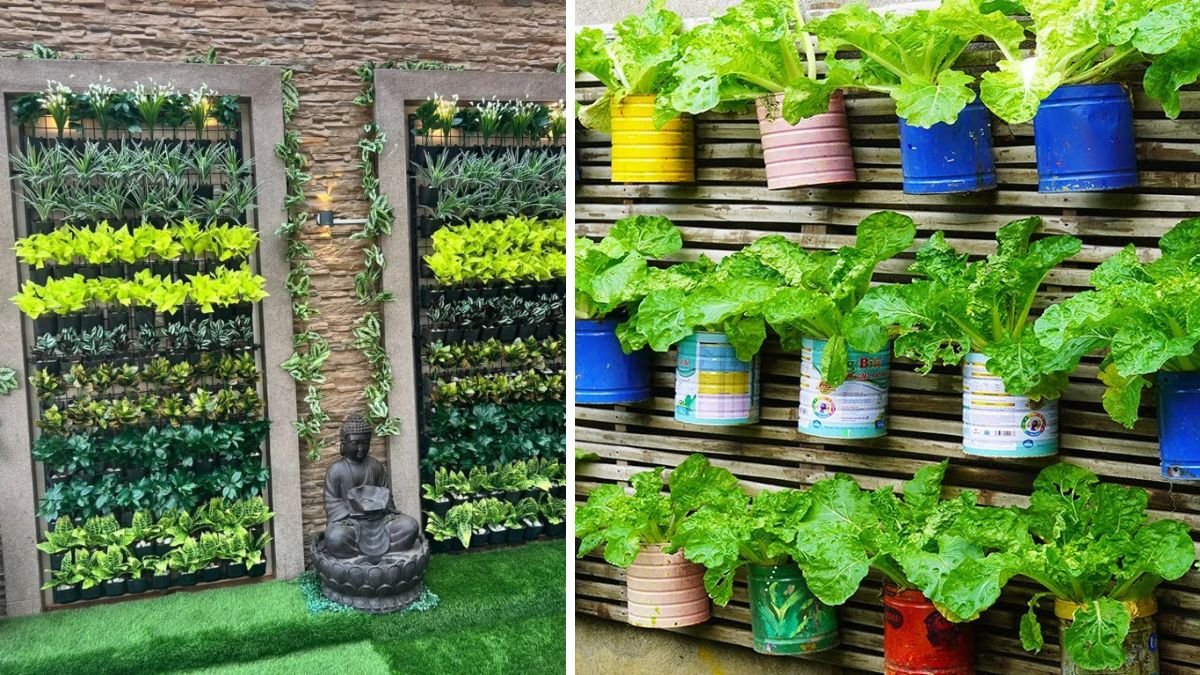
Urban gardening is evolving rapidly as more people seek sustainable ways to grow food at home. An amazing vertical garden allows you to transform unused walls into productive vegetable spaces, making it possible to enjoy fresh produce even in small apartments, balconies, terraces, or patios. Vertical gardens are not only practical — they also add aesthetic appeal, improve air quality, and maximize space efficiently.
This guide explores how to set up a vertical vegetable garden, which crops to grow, the latest trends in 2025, and tips from gardening experts to help you provide fresh, nutritious food for your family year-round.
Why Vertical Gardening Is Revolutionizing Home Gardens
Vertical gardening has become a global trend for several reasons:
1. Space Optimization
Traditional gardens require horizontal space, which is limited in urban areas. Vertical gardens allow plants to grow upward on walls, fences, and trellises, making it possible to cultivate a substantial number of vegetables in small areas. (realsimple.com)
2. Accessibility and Ease of Maintenance
With plants at eye level, vertical gardens reduce the need for bending and make watering, pruning, and harvesting easier. This is especially helpful for leafy greens and herbs. (abc.net.au)
3. Urban Greening
Vertical planting integrates greenery into urban spaces, turning blank walls into living, edible landscapes. These green walls not only improve aesthetics but also reduce urban heat, promote biodiversity, and enhance mental well-being. (homesandgardens.com)
Vegetables That Thrive on Vertical Walls
Selecting the right crops is crucial for success. Here are vegetables and herbs that adapt well to vertical systems:
1. Leafy Greens
Spinach, lettuce, and kale are ideal because of their shallow root systems and fast growth. They can be planted in wall pockets, tiered planters, or hanging fabric systems.
2. Herbs
Basil, parsley, cilantro, thyme, and mint grow well in vertical setups. These herbs are easy to access and continuously harvestable.
3. Vining Vegetables
Cucumbers, peas, pole beans, and certain tomato varieties climb trellises and mesh panels beautifully, making excellent use of vertical space.
4. Compact Fruit and Vegetables
Peppers, cherry tomatoes, and strawberries adapt to modular containers and pocket planters, offering high yields without requiring much floor space.
These vegetables provide versatility, high yields, and nutrition while being easy to manage in a vertical garden system. (gardentowerproject.com)
Planning Your Vertical Vegetable Garden
1. Choosing the Right Wall
Walls with ample sunlight — preferably south-facing — are ideal. East- and west-facing walls also work if you adjust plant placement for light exposure.
2. Support Structures
Trellises, mesh panels, and wall-mounted shelves provide support for climbing plants and ensure stability for pots and pockets. Secure anchoring is essential, especially for heavier container setups. (rhs.org.uk)
3. System Selection
Vertical systems can include:
- Fabric or canvas pocket planters
- Wall-mounted pots or shelves
- Modular stacking containers
- DIY pallet or board systems
Choose a system that matches your wall space, the types of plants you want to grow, and your maintenance preferences. (almanac.com)
Designing an Aesthetic and Productive Wall Garden
1. Living Wall Masterpiece
Attach a trellis or grid to the wall and place pots or planters in a structured pattern. This approach blends beauty with functionality.
2. Pocket Panel System
Fabric or canvas pockets create individual planting spaces for each crop. These are perfect for shallow-rooted vegetables like lettuce and herbs.
3. Mixed Herb & Vegetable Wall
Combining herbs with vegetables increases biodiversity, attracts beneficial insects, and adds variety to both the visual appeal and harvest. (staygreengarden.com)
Caring for Your Vertical Vegetable Garden
Lighting
Most vegetables need 6–8 hours of sunlight daily. Reflective walls can boost light intensity and help plants thrive.
Watering
Vertical gardens tend to dry out faster. Install drip irrigation or self-watering systems to ensure even moisture distribution.
Soil & Fertilization
Use lightweight, nutrient-rich potting soil. Incorporate compost or organic fertilizer to sustain productivity, especially for vegetables harvested frequently.
Pest Management
Good air circulation reduces fungal issues. Regularly inspect plants, remove damaged leaves, and use companion planting to deter pests naturally.
Additional Benefits of Vertical Gardening
1. Water Efficiency
Drip irrigation and contained systems reduce water waste compared to traditional horizontal gardens.
2. Healthier Plants
Plants grow upright with better airflow, reducing pest problems and soil-borne diseases.
3. Environmental Impact
Vertical gardens support biodiversity, provide habitats for pollinators, and reduce urban heat while improving air quality.
4. Aesthetic and Lifestyle Boost
A vertical wall garden adds beauty to any home, balcony, or terrace while providing the convenience of fresh produce within arm’s reach.
Authoritative Sources for Guidance
For expert advice on vertical vegetable gardening, consult:
- Old Farmer’s Almanac – Vertical Gardening Guide: Offers step-by-step techniques for space-saving vegetable cultivation (almanac.com)
- Royal Horticultural Society – Vegetables on Walls: Practical planting and design ideas (rhs.org.uk)
- Garden Tower Project – Best Crops for Vertical Gardens: Expert tips for high-yield vertical vegetables (gardentowerproject.com)
- Stay Green Garden – Plant Selection and Placement: Advice for arranging plants on walls effectively (staygreengarden.com)
Conclusion
An amazing vertical garden transforms unused walls into productive vegetable-growing spaces that provide fresh, nutritious food for your family while maximizing small areas. With the right crops, support structures, irrigation, and maintenance, you can create a vibrant green wall that is both visually stunning and highly functional.
Vertical gardens offer a practical solution for urban living, delivering high yields, conserving water, promoting biodiversity, and adding beauty to your home. Whether you are growing herbs, leafy greens, vining vegetables, or compact fruits, a well-planned vertical garden can redefine how you approach home vegetable cultivation.
Turn your walls into thriving edible spaces, enjoy continuous fresh harvests, and embrace one of the most innovative trends in modern gardening.