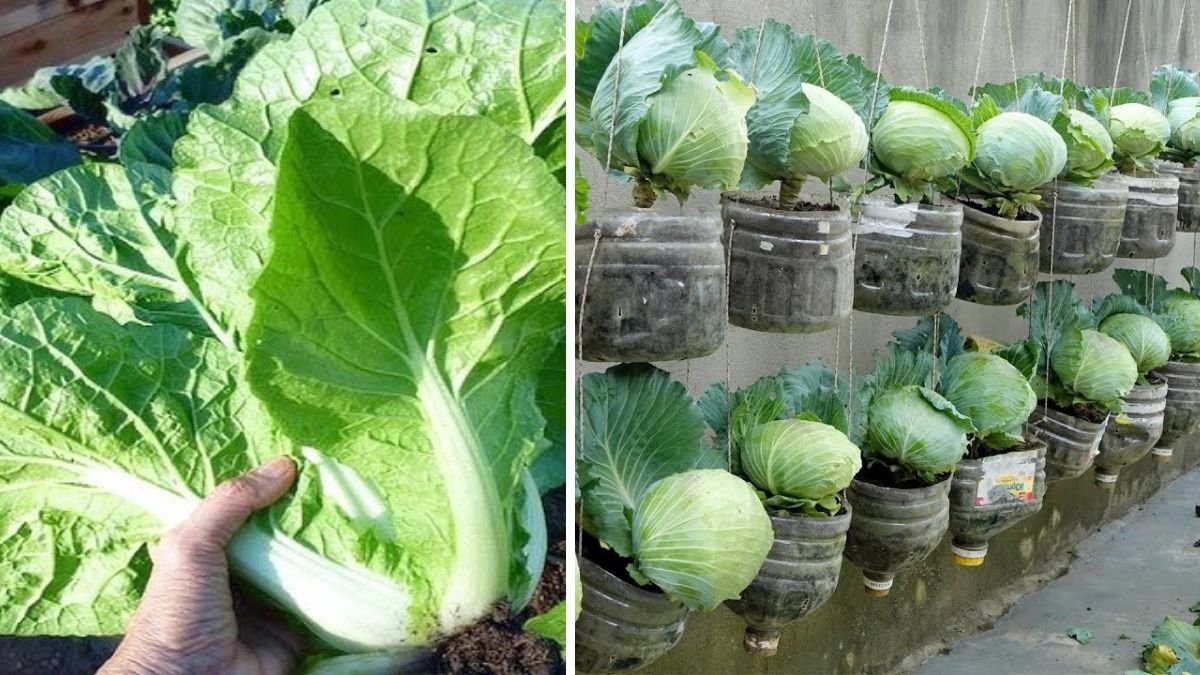
Background: Why Grow Napa Cabbage Without a Garden?
Napa cabbage, also known as Chinese cabbage, is a mild-flavored, crisp leafy vegetable packed with vitamins A, C, and K. Traditionally grown in garden beds, it can also thrive in small spaces using containers, bins, or even recycled materials. With urban living and limited backyard space, creative container gardening allows anyone to grow fresh, nutritious greens at home.
Recent guides show that with proper soil, watering, and container selection, you can harvest large, healthy heads of Napa cabbage even on balconies or patios. This article highlights [FOCUS KEYWORD] for beginners and urban gardeners.
Choosing the Right Containers
Growing Napa cabbage without a garden starts with the right container:
- Depth: Minimum 12–14 inches for proper root growth
- Width: Enough space for multiple plants if desired
- Drainage: Essential to prevent waterlogging
Options include large plastic buckets, storage bins, or recycled containers. Drill drainage holes if needed and elevate containers slightly for better water flow. Proper container selection ensures healthy roots and supports high yields.
Preparing Soil for High Yields
Soil is critical in container gardening. Napa cabbage prefers loose, nutrient-rich soil:
- Texture: Well-drained, light, and airy
- pH: 6.0–7.0 for optimal nutrient uptake
- Organic matter: Compost or well-rotted manure
A recommended mix for containers:
- 50% garden soil or compost
- 30% coco peat or peat moss
- 20% perlite or sand
This mix retains moisture while allowing excess water to drain. Enrich the soil with compost or organic fertilizer before planting for better growth.
Timing Your Planting
Napa cabbage is a cool-season crop thriving between 50°F and 75°F. Planting at the right time prevents bolting and ensures dense heads:
- Start seeds indoors several weeks before transplanting
- Transplant seedlings once nights stay above 45–50°F
- Cool climates: Early spring or fall planting works best
- Warm climates: Provide morning or late-afternoon light to prevent heat stress
Proper timing maximizes leaf growth and head formation.
Planting and Spacing
For container gardening:
- Seed depth: About ¼ inch
- Spacing: 12–18 inches apart to allow full head development
Transplant seedlings when they have 3–4 true leaves. Adequate spacing prevents nutrient competition and promotes healthier, larger heads.
Watering and Moisture Management
Consistent moisture is key:
- Keep soil evenly moist but not soggy
- Water deeply rather than shallowly
- Approximately 1 inch of water per week, adjusting for climate
Mulching helps retain moisture and reduce temperature fluctuations. Avoid overhead watering to minimize fungal risks.
Fertilizing for Growth
Napa cabbage grows quickly and benefits from regular feeding:
- Mix compost or organic fertilizer into soil at planting
- Side-dress with compost tea or diluted fertilizer every 2–3 weeks
Balanced nutrients support leafy growth and firm head development, resulting in a higher yield.
Pest and Disease Management
Even in containers, pests can appear:
- Common pests: Aphids, cabbage worms, flea beetles
- Organic controls: Neem oil, insecticidal soap, row covers
- Manual removal: Hand-pick larger pests
Spacing, airflow, and regular inspection reduce disease and promote healthy growth.
Harvesting Your Napa Cabbage
Napa cabbage is ready when heads feel firm and dense, usually 60–90 days after planting:
- Use a sharp knife to cut at the base
- Leaving some outer leaves may allow small side shoots to grow
Harvest promptly to avoid splitting or bolting, especially in warm weather.
Bonus: Regrow From Kitchen Scraps
You can regrow Napa cabbage from scraps:
- Cut the bottom 2–3 inches of a cabbage base
- Place in a shallow bowl with 1 inch of water
- Change water every 2 days
- Once roots appear, transplant to container soil
This method is ideal for beginners and teaches sustainable, regenerative gardening.
Seasonal Planning for Continuous Harvests
For year-round production:
Cool season: Spinach, lettuce, kale
Warm season: Tomatoes, peppers, cucumbers (for companion planting in same containers or nearby spaces)
Succession planting—replacing finished crops—maintains continuous harvest and prevents nutrient depletion.
Uses and Nutrition
Napa cabbage is versatile:
- Stir-fries and sautéed dishes
- Soups and stews
- Salads and slaws
- Fermented foods, like kimchi
Homegrown cabbage is fresher, more nutritious, and cost-effective than store-bought.
Authoritative Sources
- Harvest to Table: Napa cabbage planting and soil tips (harvesttotable.com)
- Mahesh Lunch Home: Container-growing ideas for urban spaces (maheshlunchhome.org)
- Biology Insights: Planting and harvesting advice (biologyinsights.com)
- Crop Cove: Soil, watering, and pest guidance (cropcove.com)
Final Thoughts
Growing Napa cabbage without a garden is entirely achievable with containers, quality soil, consistent watering, and proper spacing. Whether you use recycled bins, balconies, or indoor setups, you can enjoy fresh, nutritious, and high-yielding cabbage at home.
With a little creativity and care, even urban dwellers can transform small spaces into productive vegetable gardens, saving money and improving their diet while practicing sustainable gardening.