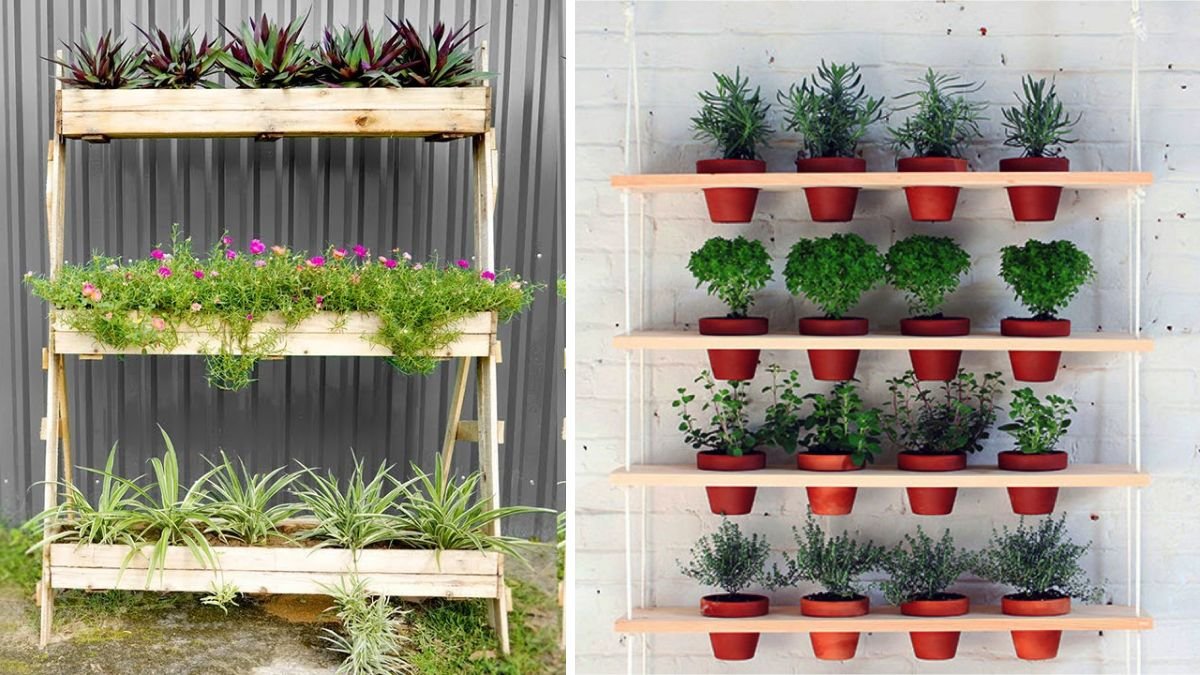
Introduction: Why Vertical Herb Gardens Are Trending
Urban gardening has become one of the fastest-growing hobbies in recent years, and it’s easy to see why. With limited outdoor space and busy lifestyles, gardeners are searching for creative ways to grow fresh herbs without sacrificing valuable room. Enter the vertical herb garden: a space-saving, visually appealing, and practical solution that transforms walls, balconies, and small patios into lush, green havens.
According to recent gardening guides, vertical herb gardens allow you to cultivate herbs like basil, mint, parsley, and thyme efficiently, while turning unused vertical space into a productive, living feature. These gardens are not only functional but also decorative, making them ideal for indoor and outdoor settings alike. (Better Homes & Gardens)
Background: The Rise of Vertical Herb Gardening
The concept of vertical gardening is rooted in practicality. In cities where outdoor space is limited, gardeners have started leveraging walls, fences, and balconies to grow food and herbs. Vertical gardening reduces clutter, increases plant density, and makes herbs more accessible for everyday cooking.
From repurposed materials like pallets and bottles to purpose-built wall-mounted planters, vertical herb gardens have gained popularity worldwide. Recent trends show homeowners creating green walls, tiered herb towers, and hanging pocket gardens to maximize both style and functionality in small spaces. (Good Housekeeping)
Benefits of a DIY Vertical Herb Garden
Vertical herb gardens provide multiple benefits, making them a favorite for modern gardeners:
1. Saves Space
Vertical gardens make the most of otherwise unused vertical real estate. Ideal for balconies, small patios, or indoor kitchens, these setups allow gardeners to grow multiple herbs in a compact area. (Good Housekeeping)
2. Convenient Harvesting
With plants elevated to eye or arm level, harvesting herbs is easier and more ergonomic. You don’t have to bend or kneel to gather fresh ingredients, which encourages daily use and reduces strain.
3. Decorative Appeal
Vertical herb gardens double as living décor. A wall of greenery adds texture, color, and visual interest to your balcony or kitchen while enhancing your home’s aesthetic appeal. (Homes & Gardens)
4. Year-Round Fresh Herbs
Vertical setups allow for efficient use of light and space, so you can grow a variety of herbs year-round, indoors or outdoors. Add grow lights or place them on sunlit walls to ensure healthy growth even in urban environments.
How to Build a Vertical Herb Garden
Creating a vertical herb garden can be simple, inexpensive, and highly customizable. Here’s a practical step-by-step guide to help you build your own:
Materials Needed
- Wooden pallets, planks, or shelving units
- Containers: pots, tin cans, bottles, or gutter segments
- Wall anchors, brackets, or hooks
- Potting soil and nutrient-rich compost
- Herb seedlings (basil, mint, parsley, thyme, oregano, chives)
- Basic tools: drill, screws, paint (optional), and measuring tape
Step 1: Pallet Herb Garden
Repurpose an old wooden pallet to create a rustic vertical garden. Add soil pockets between slats or attach planter boxes to each tier. Stand the pallet upright against a wall and secure it with brackets for stability. Fill each pocket with your favorite herbs, ensuring adequate sunlight and drainage. (Gardenoholic)
Step 2: Hanging Shoe Organizer or Bottle Garden
Use a hanging shoe organizer with deep pockets or recycled plastic bottles for small herbs. Hang it from a balcony railing or a kitchen wall. Each pocket can hold one or two herbs, making it perfect for compact spaces and beginner gardeners. (Morning Chores)
Step 3: Trellis Herb Wall
Install a metal or wooden trellis and attach small pots or planter boxes. This setup works well for trailing herbs like thyme or oregano. You can create a vertical wall of greenery that is both functional and visually striking. (Bunnings Workshop)
Step 4: Ladder-Style Herb Garden
An old step ladder can be converted into a tiered herb display. Place pots on each rung for a portable, eye-catching vertical garden that’s easy to rearrange. (Rocky Hedge Farm)
Step 5: Pipe or Bamboo Pole Garden
Drill holes in PVC pipes or bamboo stalks and fill them with soil and herbs. Mount vertically on a stand or wall for a sleek, modern design that’s ideal for small balconies. This method is especially effective for herbs that thrive in deep, narrow containers. (From House to Home)
Choosing the Right Herbs
When building a vertical herb garden, choose plants that thrive in containers and have similar light and water requirements. Recommended options include:
- Basil
- Mint
- Parsley
- Thyme
- Oregano
- Chives
Grouping plants with similar needs simplifies maintenance and ensures even growth across your vertical setup.
Expert Tips for Success
Light & Placement
Most herbs need 4–6 hours of sunlight daily. Position your vertical garden on a south-facing balcony or wall. For indoor gardens, use grow lights to supplement natural light.
Watering & Drainage
Vertical planters dry out faster than traditional beds. Use well-draining soil and check moisture regularly. Consider self-watering systems for convenience.
Fertilization
Container herbs benefit from regular feeding. Use organic or liquid fertilizers every 3–4 weeks to encourage lush growth.
Creative Inspiration
- Herb Wall: Fill a wooden frame with multiple small pots arranged in a grid for a stylish indoor herb wall.
- Tiered Balcony Garden: Stack wooden crates or pots to create a cascading vertical garden outside your balcony.
- Recycled Containers: Use tin cans, mason jars, or old mugs as planters for a quirky, budget-friendly vertical garden.
- Hanging Herb Tower: Combine vertical PVC pipes or hanging baskets to make a living tower of aromatic herbs.
Suggested Authoritative Sources
- Better Homes & Gardens – Creative DIY Vertical Gardens: Offers nine clever vertical herb garden ideas. (BHG)
- Good Housekeeping – Herb Garden Ideas: Provides versatile herb garden designs for any space. (Good Housekeeping)
- Homes & Gardens – Urban Gardening Ideas: Tips for maximizing small outdoor spaces with vertical gardening. (Homes & Gardens)
- Morning Chores – Vertical Herb Garden Ideas: DIY inspiration using recycled and low-cost materials. (Morning Chores)
Conclusion: Grow More With Less Space
A DIY vertical herb garden allows you to maximize small spaces, enjoy fresh herbs year-round, and add a touch of greenery to your home. Whether using a pallet, ladder, trellis, or hanging pockets, vertical gardens are an efficient and beautiful solution for modern urban living.
These setups save space, make harvesting convenient, and transform ordinary walls or balconies into lush, aromatic green features. By following these clever DIY vertical herb garden ideas, you can enjoy fresh herbs at your fingertips while turning your home into a sustainable, stylish, and productive space.
With a bit of creativity and effort, any small wall, balcony, or kitchen corner can become a thriving herb garden that’s both functional and visually stunning.