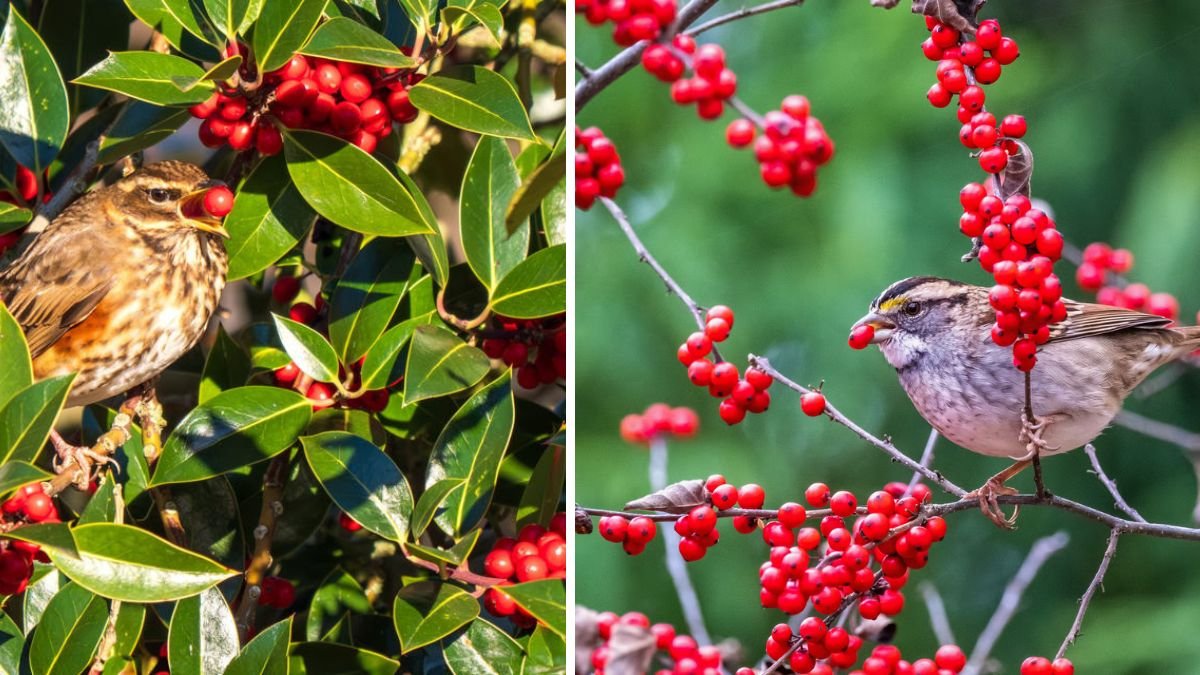
Backyard bird feeding has become one of the most popular ways to connect with nature at home. While traditional bird feeders stocked with seed, suet, or nectar are convenient, they aren’t the only way to support and attract local birds. In fact, adding more feeders isn’t always necessary — and sometimes natural alternatives provide a more nutritious, sustainable, and stress-free way for birds to enjoy your garden.
If you’re looking to create a bird-friendly backyard without cluttering it with multiple feeders, there are six easy strategies that provide food, water, and shelter for feathered visitors. These approaches support healthy bird populations, enhance biodiversity, and help your garden thrive.
Why You Don’t Need Another Feeder
Adding more feeders seems like an obvious solution to attract more birds, but there are downsides. Feeders require regular maintenance to prevent mold, bacterial growth, and seed spoilage. They can also attract unwanted pests like squirrels and rodents. Furthermore, feeders may encourage birds to rely on artificial food sources instead of foraging naturally.
By using natural solutions — such as native plants, water features, and brush piles — you create a self-sustaining habitat that benefits birds year-round. Birds get a more varied and nutritious diet, and your garden becomes a haven for wildlife without unnecessary clutter.
1. Leave Fallen Leaves and Natural Ground Cover
Many gardeners instinctively rake up fallen leaves, but letting leaves and plant debris accumulate in certain areas can actually benefit backyard birds. Leaf litter is home to insects, grubs, and larvae, which are a critical food source for birds such as robins, sparrows, and towhees. These birds forage through the leaves, eating insects, seeds, and small invertebrates, providing them with a rich, natural diet that is difficult to replicate in feeders.
Tips for using leaf litter as a food source:
- Create designated leaf piles in quiet corners or under shrubs to avoid mess in active garden spaces.
- Use a leaf shredder or mulcher to speed decomposition while keeping it beneficial for birds.
- Avoid removing all leaves in the fall; letting a portion remain gives birds access to natural prey.
This simple step can turn otherwise “messy” areas into vital feeding zones.
2. Plant Native Berry-Producing Shrubs
Nothing attracts birds like a natural, year-round food source. Planting berry-bearing native shrubs — such as winterberry holly, serviceberry, dogwood, or wax myrtle — provides nutrition for birds throughout fall and winter. Species like cedar waxwings, mockingbirds, and American robins especially benefit from these berries when insects are scarce.
How to create a bird-friendly berry buffet:
- Select shrubs native to your region to ensure they are resilient and ecologically appropriate.
- Include a mix of species that fruit at different times to extend the feeding season.
- Combine berry-producing shrubs with seed-bearing plants to support a variety of bird diets.
By creating a berry-rich landscape, your backyard becomes a natural dining area that doesn’t require additional feeders.
3. Offer Water Features Year-Round
Water is essential for birds, not just for drinking but also for bathing. Providing fresh, clean water can be even more effective than feeders in attracting a variety of species. Simple solutions like shallow bird baths, water dishes, or small fountains can dramatically increase the number and diversity of visitors.
Water feature tips:
- Keep the water clean and change it daily to prevent bacteria and mosquito larvae.
- Use shallow basins with gentle slopes for easy access.
- In colder months, add floating objects like ping-pong balls or rubber ducks to prevent freezing.
Water features not only attract birds but also help them maintain healthy feathers for insulation and flight. A consistent water source encourages regular visits and helps birds survive harsh conditions.
4. Spread Peanut Butter or Suet Alternatives
You don’t need additional feeders to offer high-energy foods. Birds such as woodpeckers, nuthatches, and chickadees are attracted to calorie-rich treats like peanut butter mixed with oats or seeds. Instead of stuffing this mixture into traditional feeders, try spreading it on tree bark, logs, or pine cones.
DIY feeding ideas:
- Mix peanut butter with rolled oats or sunflower seeds.
- Spread the mixture on rough tree bark, logs, or pine cones.
- Avoid sticky foods during hot weather, as they can spoil or attract unwanted insects.
These simple, natural feeding stations provide birds with the nutrition they need, especially during colder months when natural insects may be scarce.
5. Create Brush and Log Piles
Brush piles and rotting logs are multifunctional garden elements. Birds such as wrens, woodpeckers, and chickadees forage for insects and seeds within these piles while also using them for shelter from predators and harsh weather. A well-placed brush pile can serve as a year-round feeding and nesting area, providing both nutrition and safety.
Tips for building effective brush piles:
- Stack logs, branches, and twigs in quiet corners of your garden.
- Add leaf litter and smaller branches to increase habitat complexity.
- Create multiple small piles rather than one large pile to support different species and avoid overcrowding.
Brush piles not only feed birds but also promote insect biodiversity, creating a more balanced backyard ecosystem.
6. Incorporate Native Grasses and Meadow Areas
Letting sections of your yard grow into natural meadows with native grasses and wildflowers creates a self-sustaining food source. Seeds from grasses and flowers provide nutrition, while the vegetation attracts insects that birds feed on. These areas also offer perches, nesting opportunities, and protection from predators.
How to implement meadow zones:
- Designate specific areas of your yard for native grasses and wildflowers.
- Avoid frequent mowing to allow plants to mature and seed.
- Include a variety of plant heights to support different bird species.
Meadows provide continuous resources for birds, making your backyard a vibrant and natural feeding ground.
Why These Ideas Work Better Than Adding Feeders
While feeders have their place, natural strategies offer multiple benefits:
- Reduced maintenance: No need to refill or clean constantly.
- Nutritional diversity: Birds can forage naturally, getting a balanced diet of seeds, berries, and insects.
- Habitat enrichment: Provides shelter and nesting areas alongside food.
- Biodiversity support: Encourages insects, pollinators, and other wildlife, creating a balanced ecosystem.
By focusing on natural feeding strategies, your backyard becomes a sustainable and resilient habitat that birds will return to year after year.
Authoritative Sources for Further Reading
For those who want to learn more about backyard bird care and natural feeding strategies, these resources offer expert advice:
- Audubon Society – Backyard bird feeding tips and habitat creation. (audubon.org)
- Gardening Know How – Guides on bird-friendly plants and alternative feeding methods. (gardeningknowhow.com)
- Wild Bird Scoop – Natural ways to attract and feed birds without relying on traditional feeders. (wildbirdscoop.com)
These sources provide reliable, evidence-based guidance for creating bird-friendly gardens and understanding bird behavior.
Conclusion
You really don’t need another feeder to support backyard birds. By leveraging natural feeding strategies — leaving leaf litter, planting berry-producing shrubs, offering water features, spreading peanut butter or suet alternatives, creating brush piles, and incorporating meadow areas — you can create a thriving bird habitat. These six ideas provide nutrition, shelter, and water while promoting healthy foraging behavior.
Whether you’re a seasoned birdwatcher or just starting your backyard birding journey, implementing these strategies will help your yard support a diverse array of bird species year-round. Not only will you enjoy watching birds thrive, but you’ll also contribute to a healthier, more sustainable garden ecosystem.