Introduction: What Winter Sowing Is — and Why It Sometimes Fails
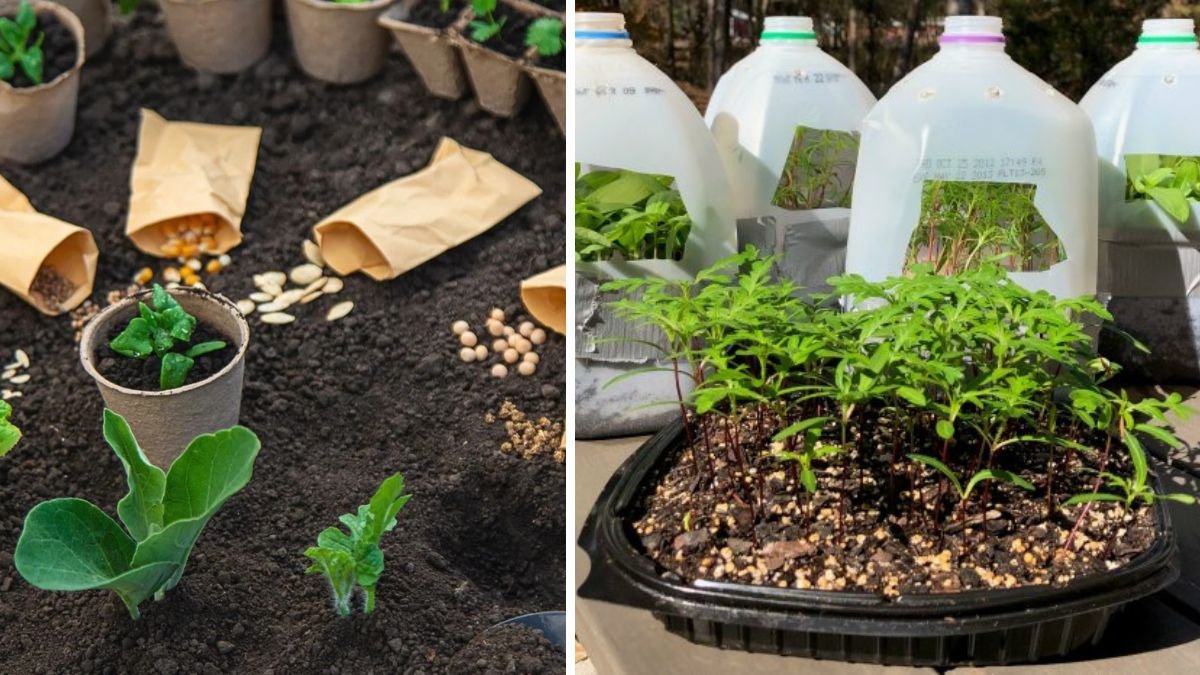
Winter sowing is a popular method for starting seeds outdoors during the colder months. Instead of waiting for spring, gardeners sow seeds into containers — often recycled milk jugs, pots, or mini greenhouses — and leave them outside. This approach mimics natural conditions: many seeds require cold exposure, called cold stratification, before germination.
Despite its appeal, winter sowing does not always guarantee success. Gardeners frequently report seeds that never sprout, seedlings that appear weak, or low germination rates even when all apparent conditions are correct. Understanding why seeds fail to germinate and how to fix these issues is essential to turning winter sowing into a reliable technique. Using [FOCUS KEYWORD], this guide explores the main causes of winter sowing failures and how to prevent them.
Common Reasons Seeds Don’t Germinate in Winter Sowing
1. Soil Temperature Too Low
Seeds require a specific temperature range to activate their metabolism and start germination. When soil is too cold, seeds remain dormant. Winter sowing performed before sufficient cold cycles have passed may fail because seeds haven’t experienced the natural cues needed to break dormancy.
Fix It:
- Use containers that trap sunlight and warmth, such as clear jugs or mini greenhouses.
- Sow seeds after the coldest weeks have passed and soil begins to slightly warm.
- Insulate containers with straw, bubble wrap, or other materials to reduce temperature fluctuations.
(thenaturenetwork.co.uk)
2. Incorrect Planting Depth
Planting seeds too deeply or too shallowly can prevent germination. Seeds sown too deep may exhaust their energy before reaching the soil surface. Seeds sown too shallow can dry out, be washed away, or become easy prey for birds and insects.
Fix It:
- Follow the sowing depth instructions on seed packets.
- As a rule, plant seeds at a depth roughly twice their size.
- Tiny seeds generally germinate best near the soil surface.
(thenaturenetwork.co.uk)
3. Poor Soil Moisture Management
Moisture is critical for germination. Overly wet soil can rot seeds or encourage fungal diseases like damping-off, while dry soil prevents seeds from activating. Many gardeners fail to maintain consistent moisture levels, leading to unsuccessful germination.
Fix It:
- Pre-moisten your seed starting mix before sowing.
- Use containers with drainage holes and avoid sealing them airtight.
- Check containers regularly; the soil should feel like a wrung-out sponge.
(indiatimes.com)
4. Using the Wrong Soil Mix
Dense garden soil can suffocate seeds and hold excessive cold or moisture, preventing germination.
Fix It:
- Use a light, well-draining seed starting mix instead of garden soil.
- Mix in perlite or vermiculite to improve aeration and moisture control.
(indiatimes.com)
5. Seed Dormancy Not Broken
Some seeds have natural dormancy mechanisms, meaning they won’t germinate until they experience certain environmental cues like cold, light, or temperature fluctuations. Many native wildflowers, perennials, and hardy plants require cold stratification.
Fix It:
- Research whether your seeds need stratification.
- If necessary, simulate stratification by placing seeds in a moist medium inside the refrigerator before winter sowing.
(biologyinsights.com)
6. Poor Seed Quality
Old or improperly stored seeds often fail regardless of sowing technique. Low germination rates are often due to seed viability rather than environmental factors.
Fix It:
- Purchase fresh seeds from reputable suppliers.
- Check packaging for expiration dates.
- Conduct a paper towel germination test to check viability before sowing.
(reddit.com)
7. Improper Light Conditions
Light can be a trigger for germination. Some seeds require light exposure, while others germinate in darkness. Winter sowing setups sometimes provide inconsistent light, which confuses seeds and inhibits sprouting.
Fix It:
- Follow seed packet instructions regarding light exposure.
- Cover seeds lightly if they require darkness; leave surface-exposed seeds that require light.
(idealhome.co.uk)
Strategies to Improve Winter Sowing Success
Be Patient
Winter sowing germination takes time. Seeds will not sprout until the environment meets their requirements, and this may be weeks or months after sowing. Gardeners often misinterpret dormancy as failure.
Monitor Temperature and Moisture
Using soil thermometers and moisture meters helps maintain ideal conditions. Snow cover, shade, and cold snaps can delay germination even when containers are well-prepared.
Conduct Germination Tests
Before sowing a large batch of seeds, test a few in a controlled environment using moist paper towels. This helps assess viability and prevents wasted effort.
Authoritative Sources
- Gardening Tips: Why Your Seeds Are Not Sprouting & How to Fix It — IndiaTimes (indiatimes.com)
- 9 Reasons Your Seeds Aren’t Germinating — Ideal Home (idealhome.co.uk)
- Seeds Do Not Germinate? The 5 Most Common Reasons — Biology Insights (biologyinsights.com)
- Gardening community experiences — Reddit (reddit.com)
Conclusion: Turn Winter Sowing Failures Into Success
Winter sowing is a low-maintenance and natural way to start seeds, but it requires understanding environmental cues and seed needs. Many failures result from soil temperature extremes, moisture problems, incorrect planting depth, unbroken dormancy, or poor seed quality. By addressing these factors and following expert guidance with [FOCUS KEYWORD], gardeners can dramatically improve germination rates and enjoy healthy seedlings ready for spring.
With patience, proper technique, and careful attention to detail, winter sowing becomes a reliable, productive, and rewarding way to grow plants — even before the last frost melts.