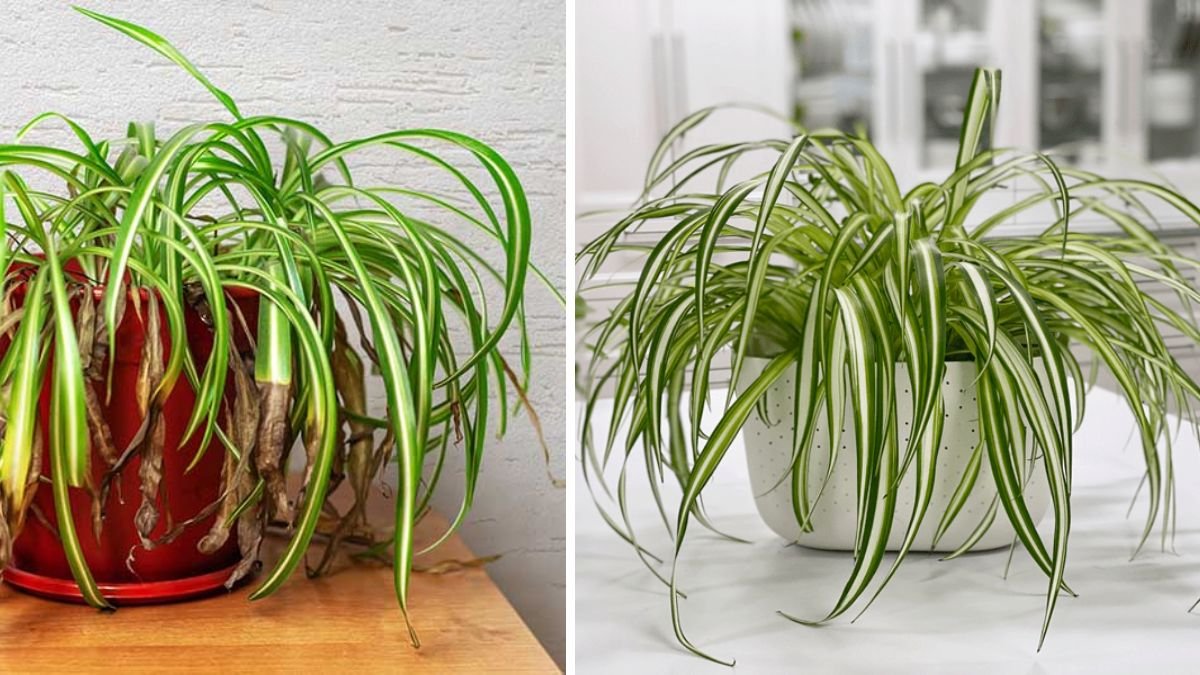
Spider plants (Chlorophytum comosum) are one of the most popular houseplants worldwide. Their cascading green-and-white leaves, tolerance to different indoor conditions, and easy propagation make them a favorite for beginners and seasoned plant lovers alike. However, winter poses a unique challenge for these hardy plants. While spider plants are resilient, certain winter care mistakes can lead to stress, damage, and even death. Understanding these pitfalls and learning how to avoid them is essential for anyone who wants their spider plant to thrive all year round. This article explores the most common winter mistakes that kill spider plants and offers expert advice to keep your greenery healthy during the colder months.
Why Winter Care Matters for Spider Plants
Spider plants naturally thrive in warm, bright, and moderately humid conditions. In winter, indoor temperatures often fluctuate, natural light is reduced, and indoor air can become dry due to heaters. These changes can disrupt your spider plant’s growth cycle. While they may survive neglect in summer, winter neglect or improper care can have serious consequences. Even small mistakes like overwatering, lack of light, or exposure to cold drafts can make your plant more vulnerable to pests and diseases. By learning what to avoid, you can ensure your spider plant remains healthy, vibrant, and ready to flourish when spring arrives.
Winter Mistake #1: Overwatering During Dormancy
One of the most common mistakes plant owners make is overwatering. During winter, spider plants enter a semi-dormant phase. Their growth slows, which means they need less water than in the active growing months of spring and summer. Overwatering can cause waterlogged soil, which deprives roots of oxygen and leads to root rot, one of the most common causes of spider plant death.
How to Prevent Overwatering:
- Allow the top 1–2 inches of soil to dry out before watering again. This ensures the roots can breathe and prevents excess moisture accumulation.
- Reduce watering frequency — typically, watering every 10–14 days is sufficient in winter, depending on indoor humidity and temperature.
- Always use pots with drainage holes to prevent water from sitting at the bottom.
By following these steps, you’ll avoid one of the biggest threats to spider plants in winter.
Winter Mistake #2: Incorrect Light and Placement
Light is another critical factor in winter plant care. Spider plants need bright, indirect light to maintain healthy foliage and root systems. Insufficient light can weaken the plant, making it prone to yellowing leaves, slowed growth, and stress. Conversely, placing a spider plant too close to a cold window or heating source can shock it, leading to leaf burn or even death.
Tips for Maintaining Proper Light:
- Move your plant closer to an east- or south-facing window that receives filtered sunlight. Avoid direct sun, which can scorch leaves.
- Rotate your plant every few weeks to encourage even growth and prevent one-sided stretching.
- Consider supplemental grow lights if natural sunlight is insufficient, especially in regions with short winter days.
Maintaining consistent, adequate light helps spider plants retain their vibrant foliage throughout winter.
Winter Mistake #3: Ignoring Humidity Needs
Indoor air during winter tends to be dry, especially with central heating systems running. Spider plants prefer moderate to high humidity, and low humidity can lead to brown leaf tips, curling leaves, and general stress. While this problem may not immediately kill a spider plant, prolonged exposure to dry air can significantly weaken it, making it more susceptible to other issues.
How to Boost Humidity:
- Use a humidifier in rooms where your spider plants are located.
- Place the plant on a pebble tray filled with water to create localized humidity.
- Group your plants together; this naturally increases humidity in their immediate environment.
Providing adequate humidity mimics the spider plant’s natural tropical environment, helping it thrive even in dry winter months.
Winter Mistake #4: Fertilizing Too Often
Many plant owners assume that feeding is always beneficial. However, fertilizing during winter can harm spider plants. In this season, they enter a semi-dormant state and their nutrient uptake slows. Applying fertilizer can overwhelm the roots, causing nutrient burn and weak growth.
Best Practices for Fertilizing in Winter:
- Avoid feeding from late fall through winter.
- Resume a regular feeding schedule only when new growth appears in spring.
- Use a balanced, diluted fertilizer during the growing season to prevent overfeeding.
By aligning fertilization with the plant’s growth cycle, you support healthy development without causing stress or damage.
Winter Mistake #5: Exposure to Cold Drafts and Heat Sources
Temperature fluctuations are a major cause of stress for indoor plants. Spider plants are sensitive to both cold drafts and excessive heat. Placing them near drafty windows, doors, or heating vents can damage leaves, stunt growth, and increase vulnerability to pests and diseases.
Smart Placement Tips:
- Keep spider plants in stable indoor areas with temperatures between 65–75°F (18–24°C).
- Avoid placing plants near radiators, heating vents, or drafty windows.
- Consider using thermal curtains or relocating the plant temporarily if indoor conditions fluctuate significantly.
Maintaining a stable environment helps your spider plant conserve energy and resist stress during winter.
Bonus Mistakes: Pest Infestation and Subtle Stressors
Winter isn’t just a time of physical stress for spider plants; it also makes them more susceptible to pests such as spider mites, scale, and aphids. Dry indoor air and weakened plants create ideal conditions for infestations.
Preventative Measures:
- Inspect leaves regularly, especially the undersides, for early signs of pests.
- Use mild soap sprays or neem oil as a preventative treatment.
- Maintain a clean environment around the plant, removing dead leaves and debris that attract pests.
Regular monitoring and early intervention ensure that minor pest problems don’t become major winter challenges.
Authoritative Sources for Spider Plant Winter Care
For further guidance on avoiding winter mistakes that kill spider plants, these resources provide reliable, expert advice:
- The Spruce – Detailed houseplant care and problem-solving guides.
- Better Homes & Gardens – Practical solutions for common indoor plant issues.
- Livingetc – Tips for maintaining houseplants through seasonal changes.
These sources offer additional insights into plant care, seasonal adjustments, and preventive measures to keep your spider plant thriving.
Conclusion
Spider plants are forgiving, resilient, and generally easy to care for — but winter brings specific challenges that can threaten their health. Overwatering, improper light, low humidity, excess fertilizer, and exposure to cold drafts or heat are the most common mistakes that kill spider plants during the colder months. By understanding these pitfalls and following expert guidance, you can maintain a healthy, vibrant spider plant all winter long.
Remember, success comes down to observing your plant’s needs, adjusting care routines for seasonal changes, and creating a stable indoor environment. By avoiding these winter mistakes, your spider plant will not only survive but thrive, ready to flourish when spring arrives.