Introduction
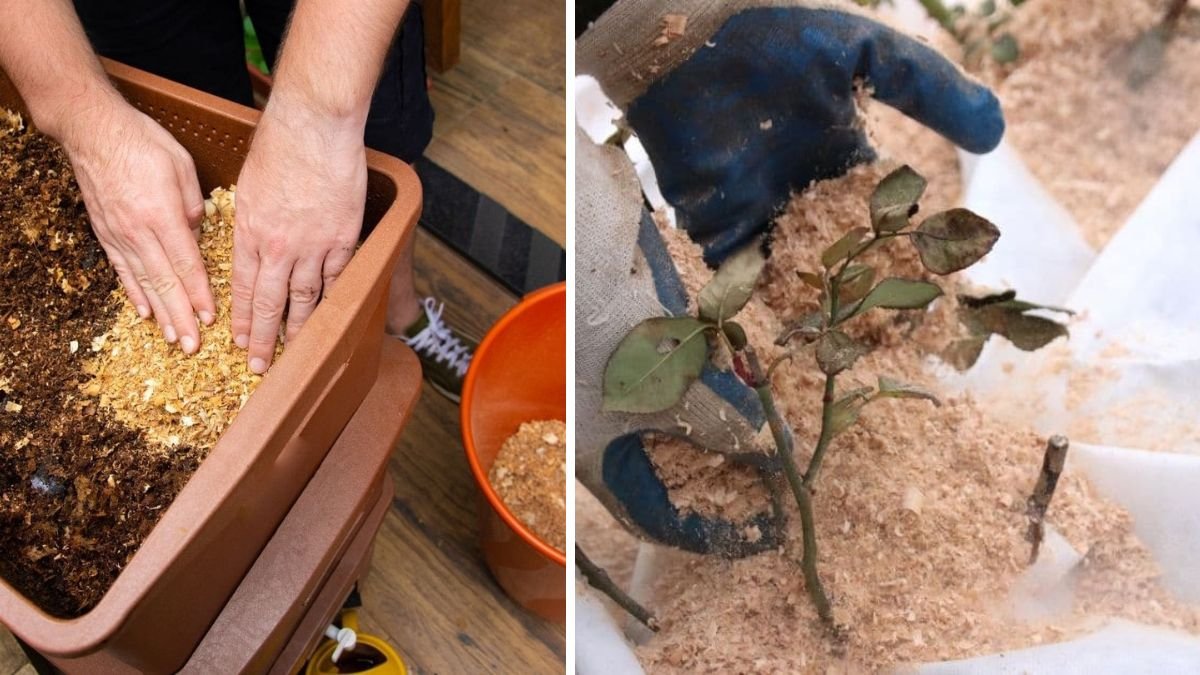
Sawdust is often dismissed as just a byproduct of woodworking or logging, but it has the potential to be a highly beneficial soil amendment. When used correctly, sawdust can improve soil structure, enhance water retention, and contribute to organic matter, helping plants grow stronger and healthier.
However, the key lies in understanding how sawdust interacts with soil. Applied improperly, it can cause nutrient imbalances, slow decomposition, and even harm plant growth. In this article, we explore the latest insights on using sawdust in soil, highlight the benefits and risks, and provide practical guidance for gardeners, farmers, and soil enthusiasts.
The Science Behind Sawdust and Soil
Sawdust is high in carbon but low in nitrogen. This composition affects how it interacts with soil microorganisms and nutrients. When microbes break down sawdust, they require nitrogen to digest the carbon. If nitrogen is not available in the soil, microbes may temporarily pull nitrogen away from plant roots, slowing growth.
Recent research, however, shows that properly processed sawdust can be highly effective as a soil conditioner. For example:
- Studies in agricultural soils have demonstrated that sawdust improves soil water retention, particularly in sandy soils, reducing irrigation requirements.
- Research shows that adding sawdust to soil can enhance micronutrient retention, including iodine and other trace elements essential for plant growth.
- Comparisons of organic amendments indicate that sawdust, when mixed with compost or manure, can improve soil structure, aeration, and porosity, supporting healthy root development.
These findings indicate that sawdust is not just waste—it can be a functional, sustainable soil amendment when applied correctly.
Benefits of Using Sawdust in Soil
1. Improves Soil Structure and Aeration
Adding sawdust to soil increases porosity and creates air spaces, which improve root penetration and microbial activity. Compacted soils benefit the most, as the sawdust helps loosen dense layers, allowing water and nutrients to reach plant roots more efficiently.
2. Enhances Water Retention
Sawdust acts like a sponge in sandy soils. Studies have shown that soils amended with sawdust can retain more moisture, reducing water stress for plants and lowering irrigation needs. This is particularly beneficial in arid climates or during dry seasons.
3. Increases Organic Matter Over Time
As sawdust decomposes, it contributes durable carbon to the soil. Organic matter is critical for soil health because it improves fertility, supports microbial life, and increases the soil’s ability to retain nutrients. Over time, regular application of sawdust can transform poor soils into rich, productive ground.
4. Boosts Micronutrient Retention
Sawdust amendments help soils retain essential micronutrients, such as iodine. This improves plant nutrition and can reduce nutrient runoff into water systems, making sawdust a sustainable option for environmentally conscious gardening and farming.
5. Recycles Wood Waste
Using sawdust in soil is a practical way to recycle wood byproducts that would otherwise end up in landfills. This supports sustainable gardening practices and reduces environmental waste.
Risks of Using Sawdust in Soil
While sawdust has numerous benefits, it can also pose risks if misused. Understanding these challenges is critical for successful application.
Nitrogen Immobilization
Fresh sawdust is high in carbon and low in nitrogen. Soil microbes need nitrogen to decompose the sawdust, and in doing so, they may temporarily deplete nitrogen in the soil, slowing plant growth.
Solution:
- Compost sawdust with high-nitrogen materials like grass clippings, manure, or kitchen scraps.
- Use sawdust as a mulch rather than mixing it directly into the soil to minimize nitrogen drawdown.
Contaminants
Sawdust from treated, painted, or stained wood can introduce harmful chemicals into the soil. These contaminants may negatively impact plant health and soil ecosystems.
Solution:
- Only use clean, untreated wood sawdust for soil amendment purposes.
Slow Decomposition
Sawdust decomposes more slowly than other organic materials. If applied in large quantities, it can create a dense layer that inhibits water penetration and microbial activity.
Solution:
- Mix sawdust with compost, straw, or other organic matter to accelerate decomposition and improve soil aeration.
Best Practices for Using Sawdust in Soil
To maximize benefits and minimize risks, follow these best practices:
| Goal | Recommended Approach |
|---|---|
| Improve soil structure | Mix sawdust with compost or aged manure before applying |
| Boost water retention | Apply as a mulch layer or incorporate after composting |
| Avoid nitrogen issues | Balance with nitrogen-rich materials |
| Use safely | Only use untreated, chemical-free sawdust |
Tip: Apply sawdust in thin layers rather than large piles. This allows it to break down gradually and integrates better with the soil ecosystem.
Expert Insights and Recent Research
- Nano-sawdust soil amendment: Studies have shown that using nano-processed sawdust can improve water retention and nutrient efficiency in agricultural soils. (Springer)
- Micronutrient retention: Research indicates sawdust amendments help retain iodine and other trace nutrients, reducing losses through runoff. (CDU Research)
- Comparative soil amendment studies: Sawdust, when combined with other organic materials, improves soil structure, aeration, and water-holding capacity for crops such as sorghum. (Pakistan Academy of Sciences)
- Practical gardening tips: Experts recommend composting sawdust with nitrogen-rich materials and avoiding treated wood. (Biology Insights)
Conclusion
Sawdust is a versatile and sustainable soil amendment when used correctly. Its benefits include improving soil structure, enhancing water retention, increasing organic matter, and boosting micronutrient retention. It also serves as an eco-friendly way to recycle wood byproducts.
The key to success lies in proper preparation, balanced composting, and mindful application. Avoid using untreated or chemically treated sawdust, balance carbon-rich sawdust with nitrogen-rich materials, and consider applying it as mulch or in composted form.
By following these guidelines, sawdust can transform from a waste product into a valuable tool for healthier, more productive soil—supporting plants, gardeners, and sustainable agriculture alike.