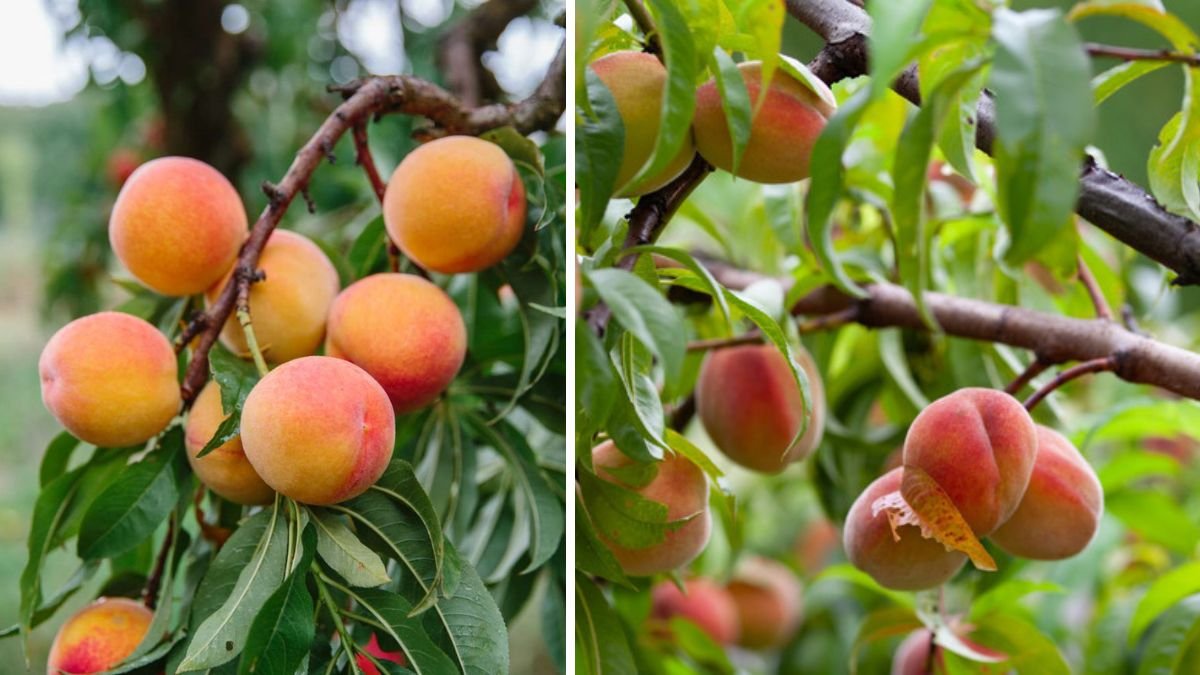
Watering peach trees correctly is one of the most important steps to ensure healthy growth and flavorful fruit. Both under- and overwatering can negatively affect fruit size, juiciness, and sweetness. Understanding how often to water a peach tree—and how deeply—is essential for home gardeners and commercial growers alike. In this guide, we’ll explore watering strategies for new and established trees, seasonal adjustments, techniques for maximizing flavor, and common mistakes to avoid.
Why Watering Matters for Peach Trees
Peach trees rely heavily on proper soil moisture. Too little water can lead to small, dry fruit with poor flavor, while too much water can cause root rot, nutrient leaching, and disease. Watering influences not just tree health but also fruit development, sugar content, and overall harvest quality. Seasonal weather, tree age, and soil type all affect how often and how deeply you should water. Proper watering ensures the tree develops strong roots and produces plump, sweet fruit year after year.
How Often to Water a Peach Tree
1. Newly Planted Peach Trees
Newly planted peach trees need frequent watering to establish roots and avoid stress:
- Frequency: Water every 2–3 days initially.
- Volume: Aim for 5–10 gallons per session, soaking the soil 12–18 inches deep.
- Adjustment: After about three months, reduce to once per week depending on rainfall and heat.
Frequent, deep watering encourages roots to grow downward, creating a more resilient tree capable of withstanding dry spells. Shallow or irregular watering can stunt root development and reduce fruit quality.
2. Established Peach Trees
Trees that are three years or older have deeper root systems and require less frequent but deeper watering:
- Frequency: Every 7–14 days, depending on soil moisture and weather.
- Volume: About 1–2 inches of water per week, including rainfall.
- Critical Periods: Increase watering during hot, dry periods or fruit development stages such as pit hardening and fruit swell.
Deep watering encourages strong roots and ensures fruit receives adequate hydration, which is key for sweetness, size, and juiciness. Shallow watering, in contrast, leads to weak surface roots and less flavorful fruit.
Seasonal Watering Guidelines
Spring
During spring, trees come out of dormancy and begin flowering and leaf development. Water weekly to maintain adequate soil moisture, especially if rainfall is insufficient. Proper watering during spring ensures strong flower sets, which are crucial for a good harvest.
Summer
Summer is the period of highest water demand. Fruit develops rapidly, and inadequate water can reduce size and sugar content.
- Water deeply early in the morning or late in the afternoon to reduce evaporation.
- Monitor soil moisture and increase irrigation during extreme heat or drought.
Fall and Winter
As trees enter dormancy, water requirements drop significantly. Avoid overwatering during these months, but ensure soil does not become completely dry, especially in regions with long, dry winters.
Best Watering Techniques
Effective watering is not just about frequency—how you water matters just as much:
- Deep, Slow Watering: Use a soaker hose or drip irrigation to target the root zone efficiently.
- Mulch: Apply 2–4 inches of organic mulch around the base, keeping it a few inches away from the trunk. Mulch retains moisture, regulates temperature, and reduces weed competition.
- Soil Check: Stick a finger 3 inches into the soil. If dry, it’s time to water. This method prevents both over- and under-watering.
Deep watering helps roots grow downward, improves drought resistance, and promotes consistent fruit quality.
How Watering Affects Fruit Flavor
Correct watering directly impacts fruit quality in several ways:
- Sugar Accumulation: Adequate moisture ensures peaches develop natural sweetness.
- Juicy Texture: Proper hydration prevents dry or mealy fruit.
- Consistent Sizing: Deep, consistent watering supports even growth, ensuring uniform fruit size and maturity.
Irregular watering or drought stress during critical fruit growth phases can reduce both flavor and yield. This is why understanding how often to water a peach tree is critical for anyone aiming for the best harvest.
Common Watering Mistakes
Avoid these pitfalls to protect your peach tree and fruit quality:
- Frequent Shallow Watering
Watering lightly every day promotes surface roots, making the tree vulnerable to drought and reducing fruit flavor. - Ignoring Rainfall
Adjust irrigation according to natural precipitation. Overwatering after rainfall can cause root rot and leach nutrients. - Overwatering During Dormancy
Peach trees require less water in fall and winter. Excess moisture in dormant trees can lead to root diseases.
By understanding these mistakes, you can fine-tune your watering schedule and maximize fruit size, flavor, and overall tree health.
Recommended Sources and Further Reading
For gardeners and growers looking to optimize peach tree care, these authoritative resources provide research-backed recommendations:
- Grow Organic: Detailed schedules and soil care tips for peach trees. (groworganic.com)
- Biology Insights: Science-based watering strategies for young vs. mature trees. (biologyinsights.com)
- Clemson University HGIC: Grower-tested irrigation guidance. (hgic.clemson.edu)
- Colorado State University Extension: Expert advice on water management and tree care.
These sources can help refine your watering schedule based on soil type, climate, and tree age.
Conclusion
Proper watering is a cornerstone of successful peach tree care. Understanding how often to water a peach tree—while taking into account tree age, seasonal needs, and soil conditions—ensures strong growth, healthy roots, and the sweetest, juiciest fruit. Remember: deep, infrequent watering beats shallow, frequent watering, and seasonal adjustments are crucial for maximizing fruit flavor and size. By following these guidelines, you’ll enjoy bountiful harvests of flavorful peaches year after year.