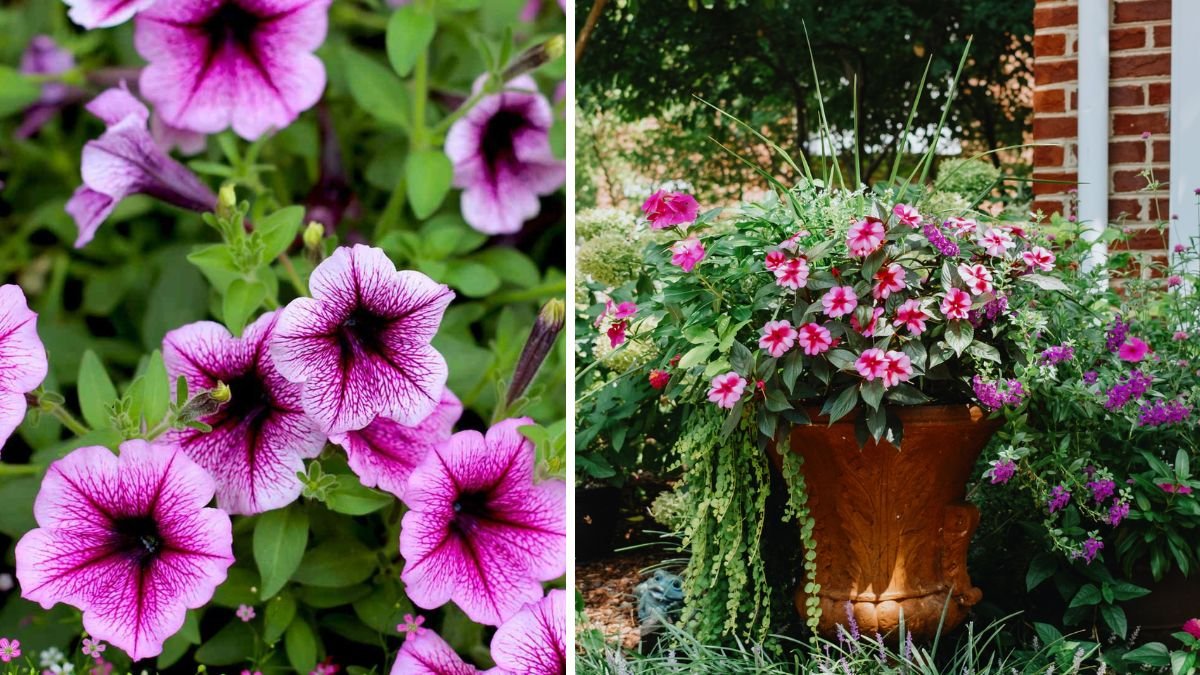
Deadheading — the practice of removing spent flowers — is a common task for gardeners who want to encourage reblooming, tidier plants, or just a neater garden appearance. However, not all plants benefit from deadheading, and for some, it can actually interfere with their natural growth cycle or reduce their ecological value.
Certain flowers self-clean, shedding old blooms naturally without human intervention. Others produce ornamental seed heads or provide food for wildlife if left intact. Knowing which plants you should never deadhead allows you to save time, support pollinators and birds, and encourage natural reseeding in your garden. This approach is both eco-friendly and visually rewarding. (Martha Stewart Gardening)
Why Some Plants Should Not Be Deadheaded
Understanding why some plants thrive without deadheading is crucial for modern gardeners. Here are the main reasons:
- Self-cleaning habit: Many plants naturally drop their spent blooms, making deadheading unnecessary. (Ideal Home)
- Wildlife support: Seed heads are an important food source for birds, insects, and small mammals during fall and winter. (Martha Stewart Gardening)
- Seed production and self-seeding: Allowing flowers to go to seed can lead to natural propagation in your garden. (Ideal Home)
- Ornamental value: Dried flowers and seed pods add texture and interest to your garden, particularly in autumn and winter. (The English Garden)
By understanding these reasons, you can make smarter choices about when and where deadheading is truly necessary.
14 Plants You Should Never Deadhead
1. Coneflower (Echinacea)
Coneflowers naturally form seed heads that persist through fall and winter. Leaving them allows birds to feed and encourages natural reseeding in your garden. (Martha Stewart Gardening)
2. Black-Eyed Susan (Rudbeckia)
Similar to coneflowers, these flowers provide seeds that attract birds and maintain garden biodiversity. Deadheading can deprive wildlife of valuable winter food. (Martha Stewart Gardening)
3. Foxgloves (Digitalis)
Foxgloves rely on seed pod development to self-seed in the garden. Removing spent flowers reduces their ability to propagate naturally. (Ideal Home)
4. Columbine (Aquilegia)
Columbines are prolific self-seeders. Leaving seed heads encourages new plants to appear in following seasons without additional sowing. (Martha Stewart Gardening)
5. Hydrangeas
Many hydrangeas bloom on old wood and retain ornamental flowers or seed heads through winter. Deadheading doesn’t improve blooms and may expose future buds to frost damage. (Homes & Gardens)
6. Peonies
Peonies bloom once per season, so deadheading spent flowers has little effect. Leaving seed pods until seasonal clean-up is preferred. (Real Homes)
7. Sedum (Stonecrop)
Sedum produces striking seed heads that provide visual interest through fall and winter, without the need for deadheading. (Real Homes)
8. Impatiens (Busy Lizzies)
These annuals are self-cleaning, dropping spent flowers naturally without human intervention. Deadheading is unnecessary. (Gardening Know How)
9. Lobelia
Many lobelia varieties are self-cleaning and will continue to bloom without deadheading. Removing spent blooms can interrupt their flowering rhythm. (Gardening Know How)
10. Sunflower
Single-stem sunflower varieties do not rebloom after deadheading and are often left to mature seeds for wildlife or harvesting. (Gardening Know How)
11. Globe Thistle (Echinops)
Globe thistles produce ornamental seed heads that add structure to winter gardens and provide food for wildlife. (Ideal Home)
12. Viburnum
Berry- or fruit-producing plants like viburnum should be left intact to enjoy their decorative fruits and attract birds. (Ideal Home)
13. Lupins
Early-season bloomers like lupins produce seed pods that feed birds and enable self-seeding for future gardens. (Ideal Home)
14. Gaillardia (Blanket Flower)
Gaillardias often thrive through natural reseeding and retain a more naturalized appearance when spent flowers are left on the plant. (Ideal Home)
When Deadheading Still Makes Sense
While the above plants do not benefit from deadheading, many annuals and perennials thrive when spent flowers are removed. Deadheading redirects energy from seed production back to flower development. Examples include marigolds, geraniums, and petunias. Understanding when not to deadhead is just as important as knowing when to do it. (Ideal Home)
Wildlife and Garden Health Benefits
Leaving seed heads intact provides multiple ecological advantages:
- Bird nourishment: Seeds from coneflowers, black-eyed Susans, and lupins are high-energy food for birds during winter. (Martha Stewart Gardening)
- Pollinator support: Some plants continue to offer nectar after flowering, supporting bees, butterflies, and other beneficial insects. (Homes & Gardens)
- Natural reseeding: Plants like columbine and foxgloves produce new plants for the following season without extra effort. (Martha Stewart Gardening)
By leaving certain flowers and seed heads intact, gardeners can create a more self-sustaining, low-maintenance garden.
Quick Reference Table
| Plant Name | Reason to Avoid Deadheading |
|---|---|
| Coneflower | Feeds birds, self-seeds naturally |
| Black-Eyed Susan | Bird food, natural reseeding |
| Foxglove | Self-seeds biennially |
| Columbine | Supports natural spread |
| Hydrangea | Preserves ornamental blooms & buds |
| Peony | Only blooms once per season |
| Sedum | Maintains ornamental seed heads |
| Impatiens | Self-cleaning |
| Lobelia | Self-cleaning flowering habit |
| Sunflower | Seeds for wildlife or harvest |
| Globe Thistle | Winter structure & bird food |
| Viburnum | Fruit display and wildlife food |
| Lupins | Seed pods feed birds |
| Gaillardia | Supports self-seeding cycle |
Expert Advice on Not Deadheading
Gardening experts emphasize that deadheading should be a choice, not a rule:
- Hydrangeas bloom on old wood; removing flowers doesn’t improve the plant. (Homes & Gardens)
- Camellias are self-cleaning, dropping blooms naturally. (Homes & Gardens)
- Ornamental grasses like miscanthus provide winter interest and habitat for wildlife if left intact. (Real Homes)
Following these expert guidelines can help gardeners create a visually stunning, wildlife-friendly landscape without unnecessary maintenance.
Conclusion: Embrace Natural Growth Cycles
Understanding which plants you should never deadhead can save time, support wildlife, and create a more natural, self-sustaining garden. By leaving spent blooms and seed heads intact for the right plants, you promote ecosystem health, natural reseeding, and winter garden interest.
Whether you are a beginner or an experienced gardener, adopting a selective approach to deadheading can transform your garden into a low-maintenance, wildlife-friendly paradise, while still maintaining beauty and seasonal interest.