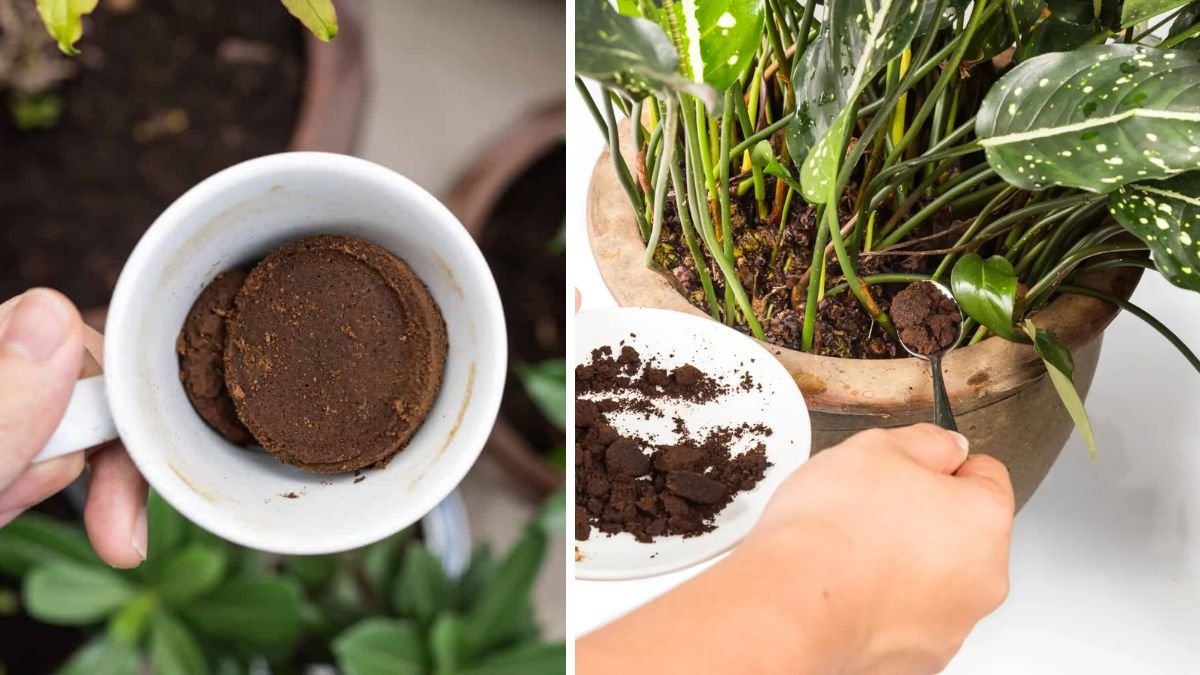
Introduction: Why Coffee Grounds Are a Gardener’s Secret Weapon
Coffee is more than just a morning pick-me-up — it can also be a garden booster. Used coffee grounds are increasingly popular among gardeners for their ability to enrich soil and support plant growth. While fresh coffee grounds are acidic, spent coffee grounds are usually near neutral in pH, but they’re still rich in nitrogen and organic matter. These qualities make them ideal for acid-loving plants, which thrive in slightly acidic soils.
Using coffee grounds responsibly can improve soil texture, drainage, and nutrient content. By understanding which plants benefit the most, you can turn your morning brew into a free, eco-friendly fertilizer that helps your garden flourish.
Why Acid-Loving Plants Benefit from Coffee Grounds
1. Nitrogen-Rich Soil
Nitrogen is a critical nutrient for plant growth, and coffee grounds are an excellent source. Plants like azaleas, blueberries, and camellias rely on nitrogen for lush, vibrant leaves and flowers. By sprinkling used coffee grounds into your compost or directly into the soil (sparingly), you can provide this essential nutrient naturally.
2. Improved Soil Structure
Adding coffee grounds to soil increases its organic matter content, which improves aeration, drainage, and water retention. Acid-loving plants often struggle in compacted soil. Coffee grounds, when used as mulch or mixed with compost, create a more hospitable environment for roots to grow deep and strong.
3. Mild Acidity
Although spent coffee grounds are not extremely acidic, they are slightly acidic enough to benefit plants that prefer low-pH soil. Regular application can help maintain soil conditions favorable for rhododendrons, hydrangeas, and gardenias.
10 Acidic Plants That Thrive with Coffee Grounds
Here’s a detailed guide to the 10 plants that benefit most from coffee grounds, including tips for application:
1. Azaleas
Azaleas are classic acid-loving shrubs known for their vibrant spring blooms. Applying coffee grounds to the soil around azaleas can enhance leaf color and flower production. Sprinkle a thin layer around the base and mix lightly into the topsoil.
2. Blueberries
Blueberries require highly acidic soil to thrive. Coffee grounds provide both a gentle acid boost and nitrogen, promoting better fruit yield. For optimal results, combine coffee grounds with peat moss or pine needles to maintain the right soil acidity.
3. Hydrangeas
Hydrangeas are famous for their ability to change color depending on soil pH. Adding coffee grounds can slightly lower the pH of the soil, enhancing blue or pink hues depending on the variety. Apply grounds in moderation to avoid over-acidifying the soil.
4. Camellias
Camellias are flowering shrubs that thrive in acidic soil. Used coffee grounds enrich the soil with nitrogen, encouraging healthy foliage and abundant blooms. Spread a light layer of grounds around the root zone, and water thoroughly.
5. Rhododendrons
Rhododendrons, close relatives of azaleas, flourish in acidic soil. Coffee grounds provide a natural nutrient boost, supporting both root development and flower production. Use grounds as part of a compost mix to maintain balanced soil nutrients.
6. Gardenias
Gardenias are prized for their fragrant white flowers and glossy leaves. These plants prefer acidic soil rich in nutrients. Adding coffee grounds around the base can provide a slow-release source of nitrogen while gently improving acidity.
7. Hollies
Evergreen hollies are another acid-loving shrub that benefits from coffee-enriched soil. Coffee grounds improve soil structure and provide nutrients that support healthy leaf growth. Apply a thin layer to avoid compacting the soil.
8. Lilies
Perennial lilies thrive when planted in nutrient-rich soil. Mixing coffee grounds with compost before planting helps retain moisture and encourages strong growth. Avoid piling grounds directly on top of bulbs, as they may cause rot.
9. Roses
While roses are not strictly acid-loving, they enjoy the nitrogen boost provided by coffee grounds. Adding a light sprinkling to the base of rose bushes during the growing season can promote lush foliage and vibrant blooms.
10. Strawberries
Strawberries benefit from the organic matter in coffee grounds, which improves soil texture and drainage. Coffee grounds can also help retain moisture around roots, supporting better fruit development. Mix grounds into compost or mulch to avoid over-fertilization.
How to Use Coffee Grounds Safely in Your Garden
Using coffee grounds effectively requires moderation. Here are some tips for applying them safely:
- Compost First: Composting coffee grounds before use ensures nutrients are slowly released and prevents mold growth.
- Thin Layer Application: Sprinkle a thin layer around plants to avoid overwhelming roots with too much nitrogen.
- Mix with Mulch: Cover grounds with mulch to prevent compaction and enhance soil aeration.
- Avoid Sensitive Plants: Coffee grounds can harm plants that prefer neutral or alkaline soil, such as lavender, rosemary, succulents, and asparagus fern.
Pro Tip: Used coffee grounds are safer than fresh, highly acidic grounds and are generally easier to manage in a garden setting.
Frequently Asked Questions About Coffee Grounds and Acidic Plants
Can I put coffee grounds directly on the soil?
Yes, but moderation is key. Sprinkle a thin layer or mix with compost. Direct heavy application can compact the soil and inhibit water absorption.
Do coffee grounds make soil more acidic?
Fresh coffee grounds are acidic, but spent grounds are closer to neutral. They offer mild acidity suitable for acid-loving plants when combined with other acidic amendments like peat moss.
Are coffee grounds safe for indoor plants?
Yes, but use sparingly. Mix with potting soil or compost to avoid mold growth. Plants like azaleas, camellias, and hydrangeas do well indoors with small amounts of coffee grounds.
Authoritative Sources for Gardening with Coffee Grounds
- HGTV Gardening: Comprehensive guide on how coffee grounds affect soil and plant growth. HGTV
- Martha Stewart Gardening: Expert tips for using coffee grounds as fertilizer. MarthaStewart
- GiraffyCo: Lists plants that benefit from coffee grounds and composting methods. GiraffyCo
- Wikipedia – Hydrangea: Explains soil pH’s effect on bloom color. Wikipedia
Conclusion: Turn Your Morning Brew Into Garden Gold
Coffee grounds are a versatile and eco-friendly way to enrich your garden soil, particularly for acid-loving plants. From azaleas to strawberries, these plants can benefit from the nitrogen, organic matter, and mild acidity that coffee grounds provide.
The key is moderation: compost first, apply sparingly, and always monitor your soil’s response. With careful application, your garden will flourish, producing healthier leaves, more vibrant flowers, and even better fruit yields.
Start saving your coffee grounds today — your acid-loving plants will thank you!