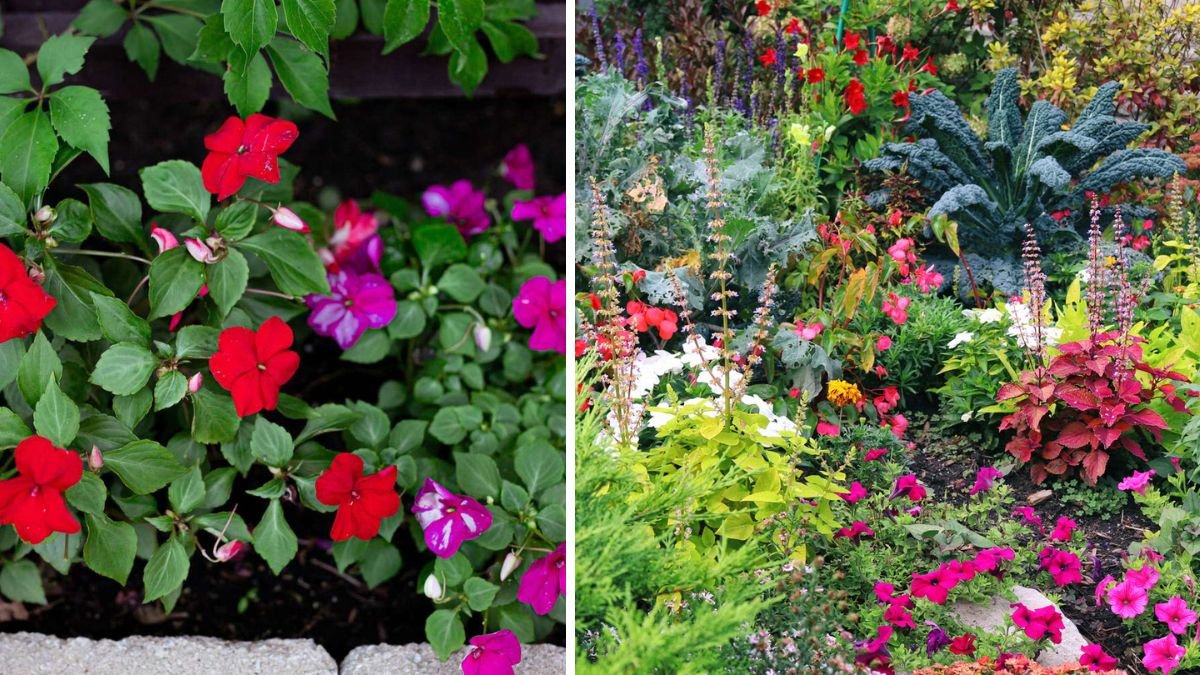
Not every garden is blessed with full sun, but shade doesn’t have to mean dull. According to gardening experts, a well-planned shade garden can be just as vibrant, diverse, and attractive as a sunny one. The key is selecting plants and flowers that thrive without direct sunlight, using texture, color, and seasonal interest to create a dynamic space.
This guide highlights the best shade-loving flowers and plants for your yard, explains how to care for them, and provides design tips to make your shady corners come alive.
Why Shade Gardens Are Special
Shade gardens offer unique opportunities:
- Cooler microclimate: Shade provides protection from hot summer sun, making these spaces ideal for relaxation.
- Low maintenance: Many shade-tolerant plants grow slowly and require less watering.
- Year-round interest: By combining perennials, shrubs, and groundcovers, shade gardens can provide color, texture, and movement across all seasons.
- Pollinator support: Shade-loving blooms attract butterflies, bees, and hummingbirds.
Experts note that shade can be light-filtered (dappled), partial, or full. Matching plants to the right type of shade is essential for garden success.
Step 1: Assess Your Shade
Before selecting plants, determine the type of shade in your yard:
- Dappled or filtered shade: Sunlight passes through tree branches; ideal for many woodland perennials.
- Partial shade: Receives 3–6 hours of sunlight daily, usually in the morning.
- Full shade: Less than 3 hours of direct sunlight; relies on ambient light.
Understanding the type of shade ensures your plants thrive and bloom at their best.
Step 2: Top Shade-Loving Flowers
These flowers add color, fragrance, and seasonal interest to shady spots:
1. Astilbe
- Why it works: Feathery plumes in pink, red, or white brighten dark corners.
- Care tips: Moist, rich soil; partial to full shade.
- Design idea: Group with hostas for texture contrast.
2. Hellebores (Lenten Rose)
- Why it works: Early spring bloomers with striking flowers in whites, pinks, and purples.
- Care tips: Well-draining, humus-rich soil; tolerate partial to full shade.
- Design idea: Plant under deciduous trees for early-season interest.
3. Bleeding Heart (Dicentra spectabilis)
- Why it works: Graceful, arching flowers that provide spring drama.
- Care tips: Moist, fertile soil; partial to full shade.
- Design idea: Excellent in woodland borders or shaded beds.
4. Impatiens
- Why it works: Bright, continuous blooms throughout summer.
- Care tips: Well-draining, rich soil; partial to full shade; regular watering.
- Design idea: Ideal for containers or mass plantings near walkways.
5. Columbine (Aquilegia)
- Why it works: Unique flowers attract hummingbirds and butterflies.
- Care tips: Partial shade; moist, well-draining soil; cut back after bloom.
- Design idea: Adds height and color to mid-shade borders.
6. Foxglove (Digitalis)
- Why it works: Tall spires provide vertical interest in partial shade.
- Care tips: Moist, fertile soil; partial sun to dappled shade.
- Design idea: Use along fences or as a backdrop to shorter plants.
7. Hostas
- Why it works: Lush foliage in green, blue, and variegated patterns.
- Care tips: Moist, well-drained soil; shade to partial shade.
- Design idea: Groundcover or focal point for shaded beds.
8. Japanese Forest Grass (Hakonechloa macra)
- Why it works: Graceful, flowing grass adds movement and texture.
- Care tips: Moist, humus-rich soil; partial to full shade.
- Design idea: Border edging or massed for woodland feel.
Step 3: Shade-Tolerant Shrubs
Shrubs provide structure, year-round interest, and seasonal blooms:
- Azaleas and Rhododendrons: Evergreen or deciduous options with colorful spring blooms; prefer acidic, well-draining soil.
- Hydrangea (Hydrangea macrophylla or quercifolia): Large blooms thrive in partial shade; soil pH influences flower color.
- Fatsia japonica: Glossy leaves add tropical flair in full shade; minimal maintenance.
- Pieris japonica: Evergreen shrub with spring flowers; thrives in acidic, moist soil.
Shrubs anchor the garden, creating layers of height and visual interest even when flowers aren’t in bloom.
Step 4: Groundcovers for Shade
Groundcovers fill empty spaces, suppress weeds, and add texture:
- Liriope (Liriope muscari): Grass-like foliage with purple flower spikes; tolerant of light shade.
- Sweet Woodruff (Galium odoratum): Aromatic foliage with tiny white blooms; excellent for woodland gardens.
- Ajuga (Ajuga reptans): Purple foliage and spikes; spreads quickly in shady beds.
- Vinca minor (Periwinkle): Evergreen, blue or white blooms; excellent for erosion control.
Experts recommend combining groundcovers with taller perennials and shrubs for a layered effect that maximizes shade garden appeal.
Step 5: Care Tips for Shade Gardens
- Soil preparation: Enrich with organic matter to compensate for lower sunlight.
- Watering: Shade gardens often retain moisture, but monitor soil to prevent root rot.
- Mulching: Use 2–3 inches of mulch to retain moisture and regulate temperature.
- Fertilizing: Apply slow-release fertilizer in spring to support healthy growth.
- Pest and disease management: Slugs, snails, and fungal diseases can thrive in shade; monitor plants regularly.
Experts note that shade gardens thrive with consistent moisture and minimal disturbance once established.
Step 6: Design Ideas for Shade
- Layering: Place taller shrubs or perennials in the back, shorter plants in front.
- Foliage contrast: Combine dark green, variegated, and colorful leaves for visual interest.
- Seasonal succession: Mix early spring bloomers with summer flowers and late fall foliage.
- Textures: Use ferns, grasses, and broadleaf plants for dynamic texture.
- Paths and focal points: Incorporate stones, benches, or birdbaths to break up green spaces.
Thoughtful design turns a shaded yard into a vibrant, multi-season retreat.
Benefits of Shade-Loving Gardens
- Energy-efficient landscaping: Trees and shade-loving plants can reduce heat in summer.
- Wildlife-friendly: Attracts pollinators, birds, and beneficial insects.
- Low-maintenance: Many shade plants are hardy and long-lived, reducing yearly upkeep.
- Aesthetic diversity: Adds texture, depth, and color to areas that might otherwise be underutilized.
Experts emphasize that incorporating shade-loving flowers and plants elevates every part of your yard, even areas without direct sunlight.
Final Thoughts
Shade gardens are often overlooked, but they offer unique opportunities for beauty, texture, and year-round interest. According to gardening experts, selecting plants that naturally thrive in low-light conditions is essential to success.
By combining flowering perennials, evergreen and deciduous shrubs, and versatile groundcovers, you can create a shade garden that’s vibrant, dynamic, and low-maintenance. With careful design, proper soil preparation, and consistent care, even the shadiest corners of your yard can become a lush retreat filled with color, texture, and life.
From astilbes and hellebores to hostas and Japanese forest grass, the right shade-loving flowers and plants will transform your yard into a serene, beautiful, and enduring garden space that you can enjoy year after year.