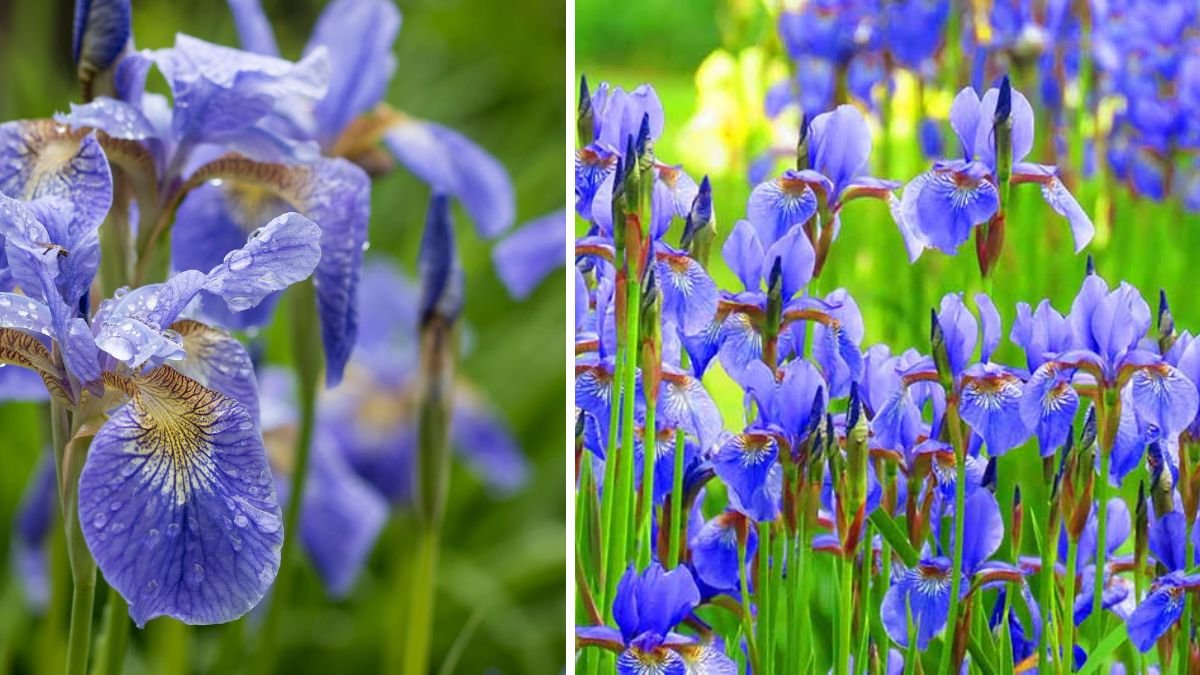
Irises are among the most elegant and striking perennials a gardener can cultivate. With their dramatic blooms, intricate petal patterns, and vibrant colors ranging from deep purples and blues to delicate yellows and whites, irises can transform any garden into a breathtaking landscape. According to horticulture experts, growing healthy, gorgeous irises is achievable with proper planning, soil preparation, and care techniques.
This guide provides everything you need to know about planting, growing, and maintaining irises to ensure your garden flourishes with these timeless beauties year after year.
Why Irises Are a Garden Favorite
Irises are popular for several reasons:
- Visual impact: Their tall, striking flowers and sword-like foliage create a strong vertical element in garden design.
- Diverse color palette: Irises come in nearly every color, including hybrids with multicolored petals.
- Hardiness: Many iris varieties are hardy perennials that return year after year.
- Low maintenance: Once established, irises require minimal care beyond regular division and occasional fertilization.
- Wildlife support: Irises attract pollinators like bees and butterflies, adding life to your garden.
Experts note that combining color variety, bloom time, and foliage texture can maximize their garden impact.
Step 1: Choosing the Right Iris Variety
There are several types of irises to choose from, each with unique characteristics:
- Bearded Irises: Known for their prominent “beard” on each lower petal, they thrive in full sun and are perfect for border plantings.
- Siberian Irises: Graceful, slender stems and delicate flowers; ideal for damp areas or near ponds.
- Japanese Irises: Larger blooms with broad petals; prefer moist soil and partial sun.
- Dutch Irises: Bulbous, early-blooming varieties; excellent for cut flower arrangements.
- Louisiana Irises: Vibrant, dramatic blooms; thrive in wet soil and warm climates.
Experts recommend selecting varieties suited to your climate, soil conditions, and garden design goals.
Step 2: Preparing the Soil
Irises thrive in well-draining, nutrient-rich soil. Proper soil preparation is key:
- Test the soil pH: Most irises prefer slightly acidic to neutral soil (pH 6.0–7.0).
- Amend the soil: Incorporate organic matter such as compost or well-rotted manure to improve fertility and drainage.
- Avoid heavy clay or waterlogged areas: Excess moisture can cause rhizomes to rot.
- Ensure sun exposure: Most irises need at least six hours of direct sunlight per day for abundant blooms.
Experts stress that proper soil preparation sets the foundation for healthy, vibrant plants.
Step 3: Planting Irises
Timing and technique are crucial when planting irises:
- Planting season: Late summer to early fall is ideal for bearded irises, allowing roots to establish before winter. Other varieties may be planted in early spring depending on climate.
- Spacing: Leave 12–24 inches between rhizomes to prevent overcrowding and improve air circulation.
- Depth: Plant rhizomes just below the soil surface, with the top slightly exposed to avoid rot.
- Orientation: Position rhizomes horizontally, with roots spread downward.
Experts emphasize gentle handling to avoid damaging tender roots and ensuring the rhizome sits securely in the soil.
Step 4: Watering
Proper watering supports healthy growth and blooming:
- After planting: Water thoroughly to settle the soil around roots.
- Established plants: Water sparingly; irises are drought-tolerant once established. Overwatering can cause root and rhizome rot.
- During bloom: Moderate watering encourages longer-lasting flowers.
Experts highlight that balancing moisture is essential: too little water slows growth, while too much causes disease.
Step 5: Fertilization
Fertilizing promotes strong rhizome development and vibrant blooms:
- Timing: Apply a low-nitrogen, high-phosphorus fertilizer in early spring before bloom and again after flowering to strengthen rhizomes.
- Frequency: Fertilize 1–2 times per growing season.
- Avoid high nitrogen: Excess nitrogen encourages leafy growth at the expense of flowers.
Experts note that organic fertilizers like bone meal or composted manure can also provide slow-release nutrients.
Step 6: Mulching and Soil Care
Mulching helps retain moisture, suppress weeds, and maintain soil temperature:
- Use light mulch: Apply a thin layer around plants but avoid covering the rhizome, which can cause rot.
- Weed control: Keep the area around irises free from invasive weeds to reduce competition for nutrients.
- Soil aeration: Lightly loosen soil in spring to improve root oxygenation without disturbing rhizomes.
Experts stress that proper mulching and soil care encourages strong foliage and flower production.
Step 7: Pest and Disease Management
Irises are relatively hardy but can be affected by pests and diseases:
- Common pests: Iris borers, aphids, and slugs. Handpick pests or use insecticidal soap if necessary.
- Fungal diseases: Leaf spot and rhizome rot are common; prevent with good spacing, proper drainage, and removing dead foliage.
- Monitoring: Regular inspection during growing season helps catch issues early.
Experts recommend proactive care rather than reactive measures to ensure healthy, vigorous plants.
Step 8: Deadheading and Pruning
Maintaining irises enhances beauty and encourages future blooms:
- Deadheading: Remove spent flowers promptly to redirect energy to the rhizome rather than seed production.
- Foliage pruning: Trim yellowed or damaged leaves at the base in late fall or after flowering.
- Avoid cutting green leaves prematurely: Leaves are essential for photosynthesis and rhizome development.
Experts note that careful pruning promotes strong, healthy rhizomes and abundant blooms the following year.
Step 9: Dividing Irises
Dividing overcrowded rhizomes revitalizes the plant and ensures continued bloom:
- Timing: Late summer or early fall is best for dividing bearded irises.
- Technique: Dig up rhizomes, cut healthy sections with at least one fan of leaves and strong roots, and replant.
- Spacing: Replant with sufficient space to prevent overcrowding and encourage airflow.
Experts stress that regular division every 3–5 years maintains vigor and prevents disease.
Step 10: Companion Planting
Planting irises alongside complementary plants enhances garden design:
- Ground covers: Low-growing perennials like creeping phlox or sedum highlight iris blooms.
- Tall companions: Delphiniums or daylilies provide vertical contrast and seasonal layering.
- Color harmony: Combine different iris colors or with contrasting flowers to create visually dynamic beds.
Experts note that companion planting not only improves aesthetics but also supports pollinators.
Step 11: Seasonal Care
Irises benefit from attentive seasonal maintenance:
- Spring: Water emerging shoots, remove winter mulch, and apply fertilizer.
- Summer: Deadhead flowers, monitor pests, and provide moderate irrigation.
- Fall: Divide rhizomes if necessary, prune damaged foliage, and apply light mulch for winter protection.
- Winter: Protect delicate varieties from frost with mulch or row covers if necessary.
Following seasonal routines ensures robust, consistent growth and abundant blooms year after year.
Step 12: Enjoying Your Irises
Beyond their aesthetic appeal, irises offer several benefits:
- Cut flowers: Their long stems and striking blooms make excellent floral arrangements.
- Pollinator attraction: Bees and butterflies help maintain a healthy garden ecosystem.
- Design versatility: Ideal for borders, rock gardens, cottage gardens, or formal beds.
Experts emphasize that observing your irises’ growth patterns over time allows you to refine care and placement, maximizing their visual impact.
Final Thoughts
Growing gorgeous irises in your garden is both rewarding and achievable. According to horticulture experts, success depends on selecting the right variety, preparing soil properly, managing water and nutrients, and practicing seasonal maintenance. Careful attention to planting depth, spacing, pest management, and division ensures these striking perennials thrive and bloom year after year.
With patience and proper care, your irises can provide a dramatic display of color, texture, and elegance that transforms your garden into a vibrant, dynamic landscape. From bold bearded varieties to delicate Japanese or Siberian types, irises remain a timeless favorite for gardeners seeking enduring beauty and sophistication.