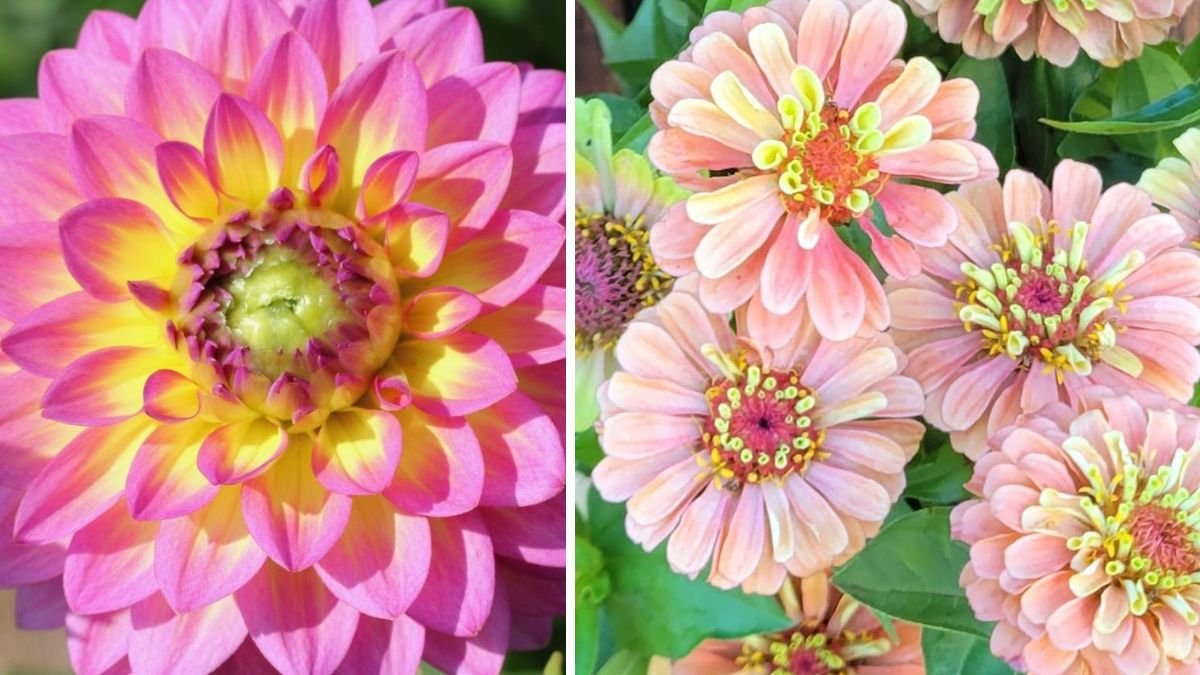
For gardeners and indoor plant lovers alike, there’s nothing more satisfying than seeing flowers in constant bloom. A garden that consistently produces colorful blooms not only delights the senses but also attracts pollinators and brightens any living space. According to horticulture experts, certain flowers are naturally prolific bloomers and, when planted correctly, can provide a near-continuous display from spring through fall.
This guide explores seven of the most reliable nonstop bloomers, with tips on planting, care, and design strategies to ensure your garden or indoor space stays vibrant all season long.
Why Nonstop Bloomers Matter
Continuous bloomers offer several benefits for both outdoor and indoor gardeners:
- Extended beauty: They provide color and visual interest throughout the growing season.
- Pollinator support: Long-blooming flowers attract bees, butterflies, and hummingbirds, which are vital for garden health.
- Low maintenance satisfaction: Once established, many nonstop bloomers require minimal intervention.
- Versatile placement: These flowers work well in garden beds, containers, hanging baskets, or indoor pots.
- Stress relief: The constant display of flowers can boost mood and provide a calming environment.
Experts emphasize that choosing plants suited to your climate, light conditions, and soil will maximize the duration of blooms.
Step 1: Assess Your Growing Conditions
Before selecting flowers, evaluate the growing environment:
- Sunlight: Most nonstop bloomers thrive in full sun (6+ hours per day), though some tolerate partial shade.
- Soil: Well-draining, fertile soil encourages prolonged flowering. Amend with compost or slow-release fertilizer if necessary.
- Watering: Even moisture supports longer bloom cycles. Avoid water stress, which can halt flowering.
- Space: Proper spacing allows airflow and reduces disease while giving plants room to flourish.
Understanding these factors is critical for uninterrupted blooms.
Step 2: Top 7 Nonstop Blooming Flowers
1. Petunias
- Why they bloom nonstop: Petunias flower from spring to frost if regularly deadheaded and fertilized.
- Care tips: Full sun, well-draining soil, and moderate watering. Use liquid fertilizer every two weeks for continuous blooms.
- Design tip: Perfect for hanging baskets, window boxes, or colorful garden borders.
2. Zinnias
- Why they bloom nonstop: Zinnias thrive in warm weather and produce bright, daisy-like flowers continuously.
- Care tips: Full sun and regular watering; pinch back spent flowers to promote new blooms.
- Design tip: Use in mass plantings or mixed flower beds for maximum impact.
3. Impatiens
- Why they bloom nonstop: These shade-loving annuals bloom continuously when kept moist.
- Care tips: Partial to full shade; keep soil evenly moist; remove faded flowers.
- Design tip: Ideal for shady areas or containers where other flowers struggle.
4. Geraniums (Pelargonium)
- Why they bloom nonstop: Geraniums respond well to regular pruning and fertilization.
- Care tips: Bright light; moderate watering; deadhead blooms for constant flowering.
- Design tip: Use in pots, hanging baskets, or sunny window sills.
5. Marigolds
- Why they bloom nonstop: Marigolds tolerate heat and resist many pests, leading to prolonged flowering.
- Care tips: Full sun; well-draining soil; moderate watering. Remove spent blooms to encourage new flowers.
- Design tip: Great for borders, containers, and companion planting with vegetables.
6. Begonias (Wax or Fibrous)
- Why they bloom nonstop: Begonias produce flowers nearly year-round when grown indoors or in shaded garden areas.
- Care tips: Bright, indirect light; consistent moisture; trim occasionally to maintain shape.
- Design tip: Excellent for shady garden corners, hanging baskets, or indoor displays.
7. Lantana
- Why they bloom nonstop: Lantana thrives in heat and full sun, producing clusters of colorful blooms continuously.
- Care tips: Full sun; well-draining soil; occasional pruning to encourage new growth.
- Design tip: Works in garden beds, containers, and even as a low hedge.
Step 3: Planting and Soil Preparation
Experts recommend the following steps to maximize bloom potential:
- Choose fertile soil: Mix in compost or organic matter to support vigorous growth.
- Ensure proper drainage: Prevent root rot by using raised beds or well-draining containers.
- Space plants appropriately: Avoid overcrowding to allow airflow and reduce fungal disease risk.
- Apply mulch: Helps retain moisture and regulate soil temperature.
A well-prepared planting site supports strong roots and continuous flowering.
Step 4: Care for Nonstop Bloomers
- Water consistently: Avoid drought stress by watering at the base of the plant, preferably early in the day.
- Fertilize regularly: Use a balanced, slow-release fertilizer or liquid feed every 2–4 weeks.
- Deadhead and prune: Remove spent blooms and trim leggy growth to encourage new flowers.
- Monitor for pests: Watch for aphids, spider mites, and whiteflies; treat promptly with insecticidal soap if needed.
- Adjust lighting: Move container plants as sunlight shifts throughout the season to ensure adequate exposure.
Experts note that regular attention to basic care routines ensures vibrant, long-lasting blooms.
Step 5: Seasonal Tips
- Spring planting: Start seeds indoors or purchase seedlings to enjoy blooms from early spring.
- Summer care: Provide additional water during heat waves; mulch to retain soil moisture.
- Fall maintenance: Remove dead leaves and flowers; some varieties can continue blooming into mild winters indoors or in protected environments.
- Indoor extension: Consider moving potted flowers indoors or under grow lights to prolong bloom cycles.
Timing and seasonal adjustments maximize the display of nonstop blooms.
Step 6: Benefits of Continuous Blooming Flowers
- Visual impact: Bright, consistent colors create a dynamic and cheerful environment.
- Pollinator support: Longer bloom periods sustain bees, butterflies, and hummingbirds.
- Cut flower supply: Continuous blooms provide fresh flowers for indoor arrangements.
- Low maintenance satisfaction: Once established, many nonstop bloomers require minimal intervention while rewarding gardeners with consistent beauty.
Experts emphasize that selecting the right combination of flowers ensures vibrant color from spring through fall and even indoors during winter.
Step 7: Design Ideas
- Mixing colors: Combine different bloomers with complementary colors to create a balanced display.
- Height variation: Place taller flowers at the back and shorter blooms in front for layered impact.
- Containers and hanging baskets: Maximize space and display blooms at eye level or overhead.
- Seasonal rotation: Replace tired plants with fresh seedlings to maintain uninterrupted color.
Thoughtful design highlights the beauty of nonstop bloomers while providing functional gardening benefits.
Final Thoughts
If you want a garden or indoor space that bursts with color from spring through fall, selecting nonstop blooming flowers is essential. According to horticulture experts, petunias, zinnias, impatiens, geraniums, marigolds, begonias, and lantana are among the most reliable for continuous flowering.
By choosing the right planting sites, providing consistent care, and following seasonal tips, gardeners can enjoy an extended display of blooms that delights both the eyes and the senses. These seven flowers provide a winning combination of beauty, resilience, and ease of care, making them the perfect choice for gardeners seeking nonstop color in their homes or gardens.
With proper attention and a little planning, your garden—or even your indoor space—can remain vibrant and alive with blooms throughout the entire growing season.